Honey and Cinnamon Ritual for Blood Sugar: Does It Work?
Honey and Cinnamon Ritual for Blood Sugar – (🍯 NATURAL WELLNESS SUPPORT!). Learn the facts, benefits, risks, and healthy ways to manage blood sugar.
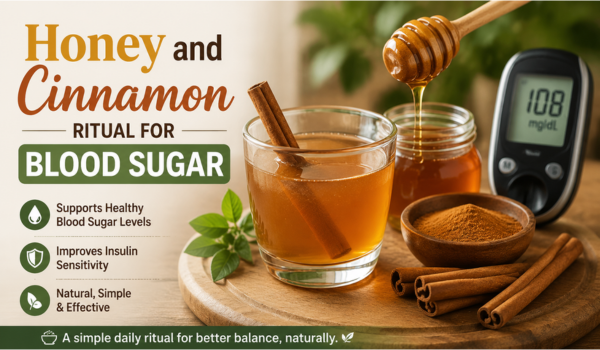

Blood sugar management is an important part of maintaining overall health. As more people search for natural ways to support healthy glucose levels, the Honey and Cinnamon Ritual for Blood Sugar has become a popular topic across social media and wellness blogs.
Many claim that combining honey and cinnamon each day can help stabilize blood sugar, improve metabolism, and support overall wellness.
While honey and cinnamon each contain beneficial plant compounds and may have a place in a balanced diet, they are not miracle remedies for diabetes or high blood sugar.
Instead, they should be viewed as part of an overall healthy lifestyle that includes nutritious eating, regular physical activity, quality sleep, and medical care when needed.
This guide explores what the Honey and Cinnamon Ritual for Blood Sugar is, the science behind its ingredients, potential benefits, possible risks, and practical ways to incorporate it into a healthy routine.
What Is the Honey and Cinnamon Ritual for Blood Sugar?
The Honey and Cinnamon Ritual for Blood Sugar is a daily wellness practice that typically involves mixing a small amount of honey with ground cinnamon. Some people consume the mixture directly, while others stir it into warm water, tea, or oatmeal.
Common versions include:
- One teaspoon of honey with half a teaspoon of cinnamon
- Cinnamon mixed into herbal tea with a small drizzle of honey
- Honey and cinnamon added to plain yogurt
- Cinnamon sprinkled over fruit with a light amount of honey
Supporters believe this ritual helps maintain healthy blood sugar levels, reduce cravings, and improve digestion.
However, scientific evidence does not support replacing prescribed treatments with this combination.
Why Cinnamon Has Gained Attention?
Cinnamon has been used in traditional medicine for centuries. Modern research has focused on its naturally occurring compounds that may influence how the body processes glucose.
Some studies suggest cinnamon may:
- Support normal insulin function
- Slow carbohydrate digestion
- Reduce post-meal blood sugar spikes
- Provide antioxidant protection
- Help support healthy inflammatory responses
Although these findings are encouraging, research results remain mixed. Benefits appear modest and vary depending on the type of cinnamon, dosage, and individual health conditions.
Experts generally recommend viewing cinnamon as one component of a healthy dietary pattern rather than a standalone solution.
Can Honey Be Part of a Blood Sugar-Friendly Diet?
Many people assume honey is automatically healthier than table sugar. While honey does contain antioxidants, small amounts of vitamins, minerals, and plant compounds, it is still a concentrated source of natural sugars.
Compared with refined sugar, honey may:
- Contain trace nutrients
- Offer antioxidant compounds
- Have a slightly lower glycemic index depending on the variety
- Provide a richer flavor, allowing smaller portions
However, honey still raises blood sugar levels. People with diabetes or insulin resistance should monitor portion sizes carefully and discuss dietary changes with their healthcare provider.
Replacing large amounts of refined sugar with modest amounts of honey may fit into some eating patterns, but excessive intake is not beneficial.

Potential Benefits of the Honey and Cinnamon Ritual
The Honey and Cinnamon Ritual has become a popular wellness habit for people looking to support their overall health naturally.
While scientific research does not confirm that this combination can cure or prevent medical conditions, both honey and cinnamon contain naturally occurring compounds that may contribute to a healthy lifestyle when enjoyed in moderation.
The greatest benefits come when this ritual is paired with a balanced diet, regular exercise, quality sleep, and other healthy daily habits.
Rich in Antioxidants
- Both honey and cinnamon provide antioxidants, which help protect the body’s cells from oxidative stress caused by free radicals.
- Oxidative stress is a normal part of metabolism, but excessive levels may contribute to aging and various chronic health conditions.
- Including antioxidant-rich foods as part of a varied diet supports the body’s natural defense systems and overall wellness.
May Support Healthy Blood Sugar Management
- Some research suggests that cinnamon may help support normal insulin function and healthy glucose metabolism in certain individuals.
- Honey, although it contains natural sugars, also provides beneficial plant compounds that refined sugar lacks.
- When consumed in small amounts as part of a balanced meal, this combination may fit into a blood sugar-conscious eating pattern. However, it should never replace prescribed diabetes treatment or medical advice.
Helps Reduce Added Sugar Intake
- Cinnamon has a naturally sweet aroma and flavor, allowing many people to reduce the amount of sugar they add to foods and beverages.
- Using a small amount of honey together with cinnamon may satisfy sweet cravings while encouraging more mindful portion sizes.
- Over time, this approach can help reduce overall consumption of refined sugars.
Supports Heart Health
- A heart-friendly diet includes foods rich in antioxidants and plant-based compounds.
- Cinnamon has been studied for its potential role in supporting healthy cholesterol and triglyceride levels, while honey contains naturally occurring polyphenols that contribute to its antioxidant activity.
- Although more research is needed, including these ingredients in moderation may complement an overall heart-healthy lifestyle.
Promotes Better Digestion
- Many people enjoy honey and cinnamon as a soothing beverage after meals.
- Honey has traditionally been used to support digestive comfort, while cinnamon may help stimulate normal digestive processes.
- Drinking a warm honey and cinnamon mixture can also encourage hydration, which plays an important role in maintaining healthy digestion.
Encourages Healthy Morning Habits
- One of the biggest advantages of this ritual is that it helps establish a positive morning routine.
- Preparing a simple honey and cinnamon drink may encourage people to drink more water, eat a balanced breakfast, and start the day with healthier choices.
- Consistent daily habits often have a greater impact on long-term wellness than relying on a single food or supplement.
May Help Control Cravings
- Pairing a small amount of honey with cinnamon alongside protein- and fiber-rich foods may help create a more satisfying meal.
- Feeling full after eating can make it easier to manage cravings for highly processed snacks and sugary desserts throughout the day.
- While the ritual itself is not an appetite suppressant, it can fit into an eating pattern that supports healthier food choices.
Supports Overall Wellness
- Rather than viewing the Honey and Cinnamon Ritual as a miracle remedy, it is best considered one small part of a comprehensive wellness plan.
- When combined with nutritious meals, regular physical activity, stress management, adequate sleep, and routine medical care, it may contribute to overall health and well-being.
- Sustainable lifestyle habits consistently provide the greatest benefits for maintaining healthy blood sugar and supporting long-term health.
What Does Research Say?
Scientific studies on cinnamon have produced promising but inconsistent results.
Research suggests cinnamon may help:
- Support normal fasting blood glucose
- Improve insulin sensitivity in some individuals
- Reduce certain markers associated with metabolic health
However:
- Results vary widely.
- Different cinnamon species contain different active compounds.
- Studies use varying dosages.
- Many trials are relatively small.
Research involving honey is even less conclusive. While honey contains beneficial compounds, it remains a sugar source and should be consumed thoughtfully.
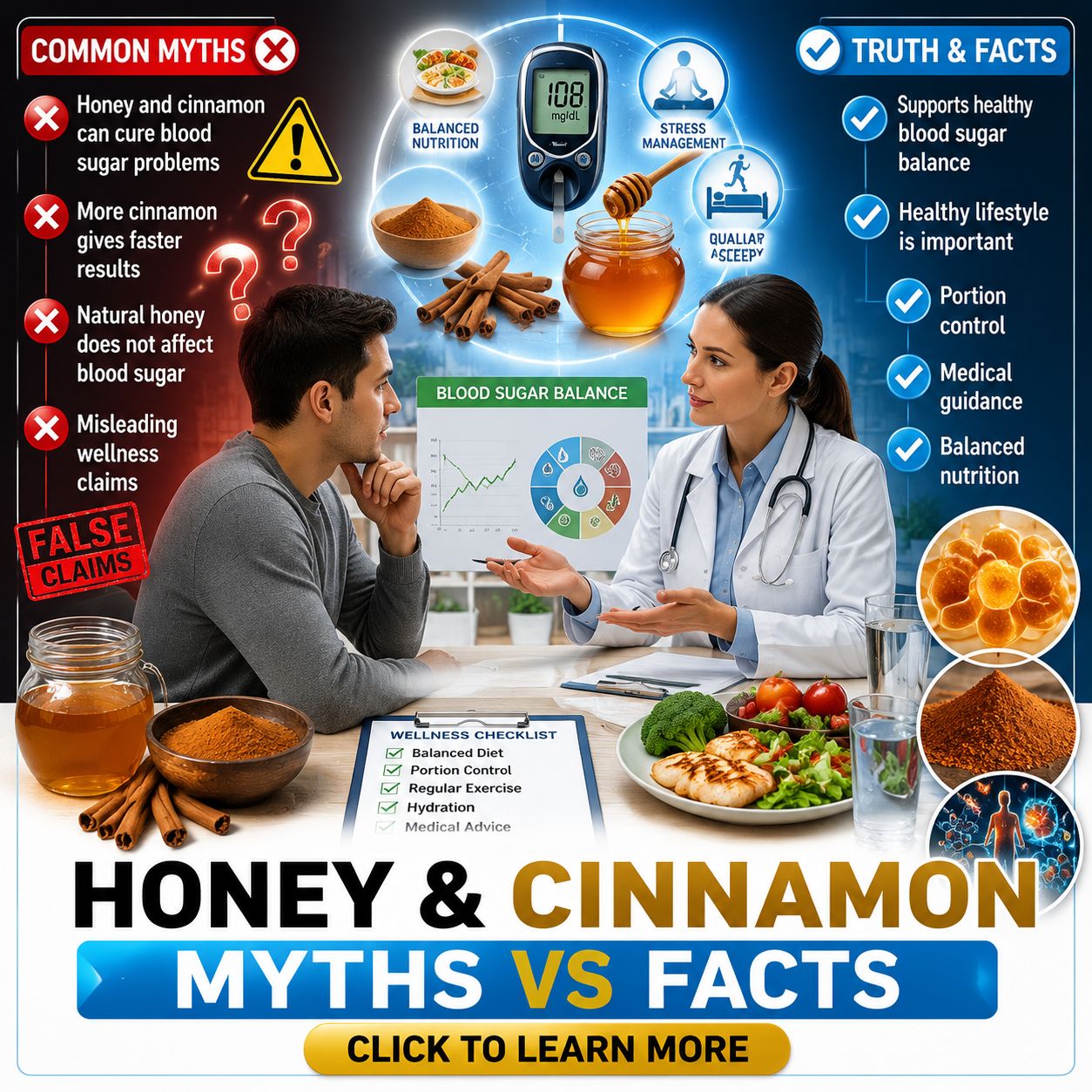
Currently, major diabetes organizations do not recommend honey and cinnamon as a treatment for diabetes.
Choosing the Right Cinnamon
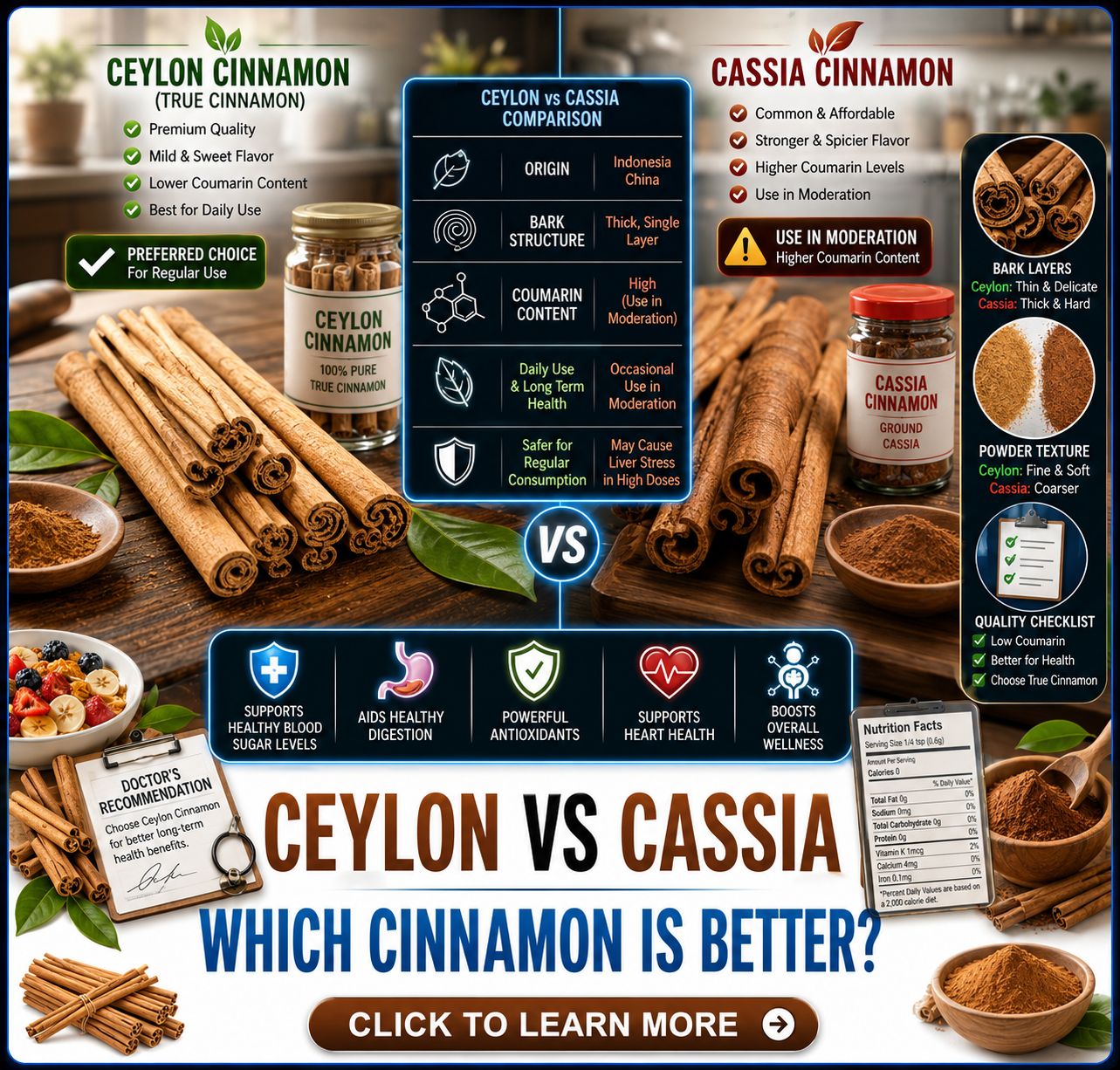
Not all cinnamon is identical.
Ceylon Cinnamon
Often called “true cinnamon,” Ceylon cinnamon contains lower amounts of coumarin, a naturally occurring compound that may be harmful in large amounts over long periods.
Characteristics include:
- Mild flavor
- Lower coumarin content
- Frequently preferred for regular use
Cassia Cinnamon
Cassia cinnamon is the variety most commonly sold in supermarkets.
It has:
- Stronger flavor
- Higher coumarin levels
- Lower price
Occasional use is generally considered safe, but excessive long-term consumption is not recommended.
Who Should Be Careful?
The Honey and Cinnamon Ritual may be suitable as part of a balanced lifestyle, but certain individuals should take extra care before adding it to their daily routine.
People with medical conditions, medication use, allergies, or specific dietary restrictions should consider professional guidance to ensure it fits their health needs.
- People With Blood Sugar Concerns
- Individuals Taking Glucose-Lowering Medications
- People Sensitive to Cinnamon
- Individuals With Liver-Related Concerns
- Pregnant or Breastfeeding Women
- People Following Low-Carbohydrate Diets
- Young Children Under One Year Old
- Individuals With Honey Allergies
- People Taking Blood-Thinning Medications
- Anyone Using Cinnamon Supplements Regularly
Healthier Ways to Support Blood Sugar Naturally
Rather than relying on a single food or ritual, focus on lifestyle habits supported by strong scientific evidence.
Eat More Fiber
Fiber slows digestion and helps reduce rapid increases in blood sugar after meals.
Excellent sources include:
- Vegetables
- Beans
- Lentils
- Oats
- Whole grains
- Chia seeds
- Flaxseeds
Choose Lean Protein
Protein supports satiety and helps reduce overeating.
Healthy options include:
- Fish
- Chicken
- Eggs
- Greek yogurt
- Tofu
- Beans
Stay Active
- Exercise regularly to help improve insulin sensitivity and support healthy blood sugar. Aim for at least 150 minutes of moderate activity each week.
Maintain a Healthy Weight
- Maintaining a healthy weight can support better blood sugar control. Even small, sustainable weight loss may improve insulin sensitivity.
Sleep Well
- Get 7–9 hours of quality sleep each night to support healthy glucose metabolism, hormone balance, and appetite regulation.
Manage Stress
Long-term stress may contribute to elevated blood sugar through increased cortisol production.
Helpful stress-management practices include:
- Meditation
- Yoga
- Deep breathing
- Walking
- Journaling
A Simple Honey and Cinnamon Recipe
If you’d like to enjoy this combination as part of a balanced diet, consider this simple recipe.
Ingredients
- 1 teaspoon honey
- ½ teaspoon Ceylon cinnamon
- 1 cup warm (not boiling) water
Instructions
- Warm the water.
- Stir in the cinnamon.
- Add the honey after the water has cooled slightly.
- Mix thoroughly.
- Drink alongside a balanced breakfast rather than on an empty stomach if you have blood sugar concerns.
Common Myths
Final Thoughts
The Honey and Cinnamon Ritual for Blood Sugar has attracted widespread interest because it combines two familiar ingredients with a long history of traditional use.
Cinnamon contains plant compounds that may support healthy glucose metabolism, while honey provides antioxidants and natural sweetness.
However, current scientific evidence does not support the idea that this ritual can prevent, cure, or treat diabetes.
Honey still contains natural sugars, and cinnamon’s benefits appear modest and vary among individuals.
The most effective approach to healthy blood sugar remains a combination of nutritious eating, regular physical activity, adequate sleep, stress management, maintaining a healthy weight, and following your healthcare provider’s recommendations.
If you enjoy honey and cinnamon, use them as flavorful additions to an already healthy lifestyle, not as a substitute for proven medical care.
Small, sustainable daily habits consistently provide the greatest long-term benefits for metabolic health and overall well-being.
.
.
.