10 Second Peanut Trick to Lower Blood Sugar (⚡FAST & SIMPLE!) Helps stabilize blood sugar, reduce spikes, and boost steady energy.
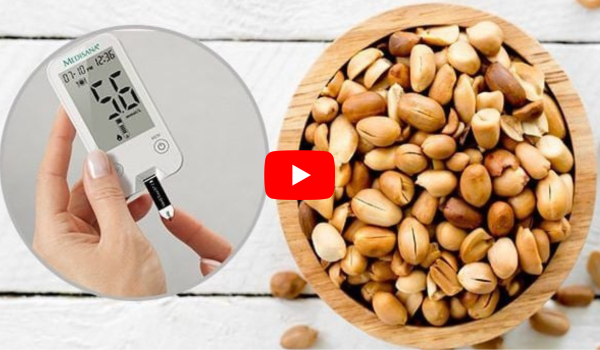

Managing blood sugar doesn’t always require complicated routines or drastic changes; sometimes, small habits can make a meaningful difference.
The 10 second peanut trick is a simple, natural approach that involves adding a small amount of peanuts or natural peanut butter to your daily meals
It helps support steadier blood sugar levels, better energy balance, and healthier digestion over time, while also supporting heart health through healthy fats and helping maintain consistent energy without crashes.
It helping support steadier blood sugar levels, better energy balance, and healthier digestion over time.
What Is the “10 Second Peanut Trick”?
The “10-second peanut trick” simply refers to a quick, easy daily habit, taking a few seconds to eat a small handful of peanuts or a spoonful of natural peanut butter before or with meals
Their combination of protein, healthy fats, and fiber helps support steadier blood sugar levels over time, making this a practical lifestyle strategy rather than an instant fix.
You may have heard claims that eating a few peanuts or a spoonful of peanut butter can instantly lower blood sugar within seconds.
The Research does show is that peanuts and peanut butter can help slow the rise of blood sugar after meals, thanks to their unique nutritional composition.
How Does It Work?
The 10-second peanut trick works by slowing how quickly sugar enters your bloodstream after you eat.
When you consume a small amount of peanuts or natural peanut butter before or with a meal, the protein and healthy fats delay digestion, while fiber slows the absorption of carbohydrates.
This prevents sudden blood sugar spikes and helps keep glucose levels more stable after eating.
Additionally, peanuts help improve the body’s insulin response and promote feelings of fullness, which can reduce overeating and unnecessary snacking.
By supporting steadier digestion and appetite control, this simple habit helps maintain balanced blood sugar levels throughout the day, not instantly, but gradually and effectively with consistent use.
Why 10 sec?
The term “10 second” is used because this habit is quick, simple, and easy to do it takes about 10 seconds to grab a small handful of peanuts or a spoon of natural peanut butter and eat it.
It doesn’t mean peanuts lower blood sugar in 10 seconds; instead, it highlights how effortless and convenient the habit is to include before meals or snacks.
The idea is that even a brief, consistent action can support better blood sugar control over time.
By taking just a few seconds to add peanuts to your routine, you help slow digestion, reduce sharp glucose spikes after meals, and support more stable energy levels throughout the day.
The Science Behind Peanuts and Blood Sugar
Peanuts help support healthy blood sugar levels because they have a low glycemic index (GI) of about 13–14, meaning they raise blood sugar slowly instead of causing sharp spikes.
Their combination of protein, healthy fats, and fiber slows digestion, reduces post-meal glucose surges, lowers insulin demand, and helps maintain steady energy throughout the day.
Peanuts also provide a “second-meal effect.” When eaten with breakfast, peanuts or peanut butter can help reduce blood sugar spikes not only after that meal but also after the next one.
Research shows improved glucose control at lunch and greater fullness due to appetite-regulating hormones, supporting more balanced blood sugar levels all day long.
Benefits
The 10-second peanut trick is a simple, natural habit that supports healthier blood sugar levels when practiced consistently
How to Incorporate the 10 Second Peanut Trick into Your Routine?
The beauty of the 10-second peanut trick is that it’s simple, convenient, and easy to follow, requiring no special preparation. Here’s how you can naturally include it in your daily routine:
- Morning Routine: Start your day by adding a small handful of peanuts or 1–2 tablespoons of natural peanut butter to your breakfast. This helps slow digestion and supports steadier blood sugar levels throughout the morning.
- Before Meals: Eat peanuts just before lunch or dinner, especially if the meal includes carbohydrates. This simple step can help reduce post-meal blood sugar spikes.
- Midday Snack: When hunger or energy dips hit in the afternoon, choose peanuts as a quick snack. They help curb cravings and maintain stable energy without sudden glucose rises.
- On-the-Go Moments: Keep peanuts in your bag, desk, or car for easy access. Taking just 10 seconds to eat them before meals or snacks helps reinforce this healthy habit consistently.
Conclusion
10 Second Peanut Trick is a simple yet effective habit that can support healthier blood sugar levels when practiced consistently.
By taking just a few seconds to add peanuts or natural peanut butter to your meals or snacks, you help slow digestion, reduce sudden glucose spikes, and promote steadier energy throughout the day.
While it’s not an instant cure or medical treatment, it serves as a practical lifestyle strategy for better daily glucose control.
When combined with a balanced diet, regular physical activity, and proper medical guidance, this small habit can make a meaningful difference over time.
Its ease, affordability, and nutritional benefits make the 10-second peanut trick a smart addition to any routine focused on long-term metabolic and overall health.
.
.
-
Dr. Margaret leads content verification and quality review at SaulMD, ensuring supplement-related articles meet high standards of accuracy, transparency, and reliability. She carefully evaluates ingredient information, reviews product claims, assesses available consumer evidence, and verifies important details such as pricing, refund policies, and product availability before publication.
Dr. Margaret holds a Master of Science in Health Communication and is a Certified Professional in Healthcare Quality (CPHQ). With over seven years of experience in editorial review, wellness research, and health information auditing, she helps readers access clear, balanced, and trustworthy supplement information backed by careful evaluation and responsible reporting.