14 Best Anti-Snoring Devices 2026 – (😴 SLEEP QUIETER!) Reduce snoring, improve airflow, and enjoy better sleep with top-rated devices.
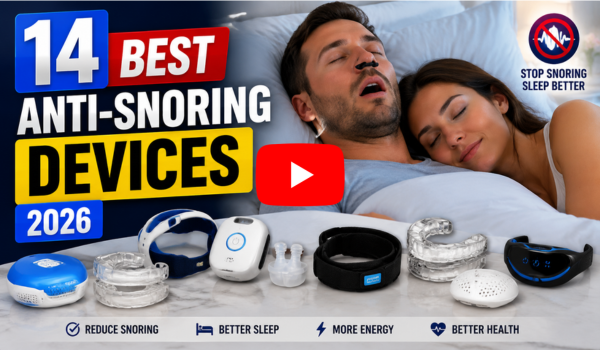

Snoring affects millions of people worldwide and can significantly impact sleep quality for both the snorer and their partner.
While occasional snoring may not be a major concern, chronic snoring can disrupt restful sleep, contribute to daytime fatigue, and sometimes indicate underlying sleep-related breathing issues.
Fortunately, anti-snoring technology continues to improve each year. The best anti-snoring devices of 2026 are designed to address the most common causes of snoring, including airway obstruction, tongue positioning, nasal congestion, and sleeping posture.
Today’s devices range from mandibular advancement mouthpieces and tongue stabilisers to nasal dilators and smart positional trainers.
Many are comfortable, easy to use, and backed by years of research and customer satisfaction.
This guide explores the 14 Best Anti-Snoring Devices 2026, helping you find an effective solution for quieter nights, improved breathing, and better sleep quality.
Why Do People Snore?
Snoring occurs when airflow becomes partially blocked while sleeping. As air passes through narrowed airways, surrounding tissues vibrate and produce the familiar snoring sound.
Several factors can contribute to snoring, including age, excess weight, nasal congestion, alcohol consumption, sleeping position, and anatomical characteristics.
Understanding the underlying cause of snoring can help determine which anti-snoring device may work best for your specific needs.
Common causes include:
- Relaxed throat muscles
- Nasal congestion
- Sleeping on the back
- Excess body weight
- Enlarged tonsils
- Deviated nasal septum
- Alcohol consumption before bed
- Ageing-related airway changes
How Anti-Snoring Devices Work?
Anti-snoring devices work by improving airflow and reducing airway obstruction during sleep.
Different devices target different causes of snoring. Some reposition the jaw, others keep the nasal passages open, while certain products encourage side sleeping.
By helping maintain an open airway, these devices can significantly reduce or eliminate snoring episodes throughout the night.
Benefits often include:
- Better airflow
- Reduced snoring intensity
- Improved sleep quality
- Less nighttime disruption
- Enhanced breathing comfort
- Better daytime energy
14 Best Anti-Snoring Devices 2026
1. VitalSleep
- VitalSleep remains one of the most popular anti-snoring mouthpieces available. It uses adjustable mandibular advancement technology to gently move the lower jaw forward and keep airways open throughout the night.
2. ZQuiet
- ZQuiet offers a comfortable and flexible mouthpiece design that allows natural jaw movement while helping reduce airway obstruction during sleep.
3. Smart Nora
- Smart Nora is a contact-free anti-snoring system that detects snoring and gently adjusts pillow positioning to encourage improved breathing.
4. SnoreRx Plus
- SnoreRx Plus features customizable jaw advancement settings, allowing users to find the ideal fit for maximum comfort and effectiveness.
5. AirSnore Mouthpiece
- AirSnore combines a mandibular advancement device with additional sleep-support options to promote quieter and more restful sleep.
6. Good Morning Snore Solution
- This tongue-stabilising device gently holds the tongue forward, helping prevent airway blockage caused by tongue collapse.
7. Mute Nasal Dilator
- Mute is designed to improve nasal airflow by gently expanding the nostrils, making breathing easier during sleep.
8. Intake Breathing Nasal System
- This adhesive-free nasal dilator system helps maintain open nasal passages for improved nighttime breathing.
9. Rhinomed Turbine
- Rhinomed Turbine uses advanced nasal dilation technology to maximise airflow and reduce nasal resistance.
10. Sleep Position Trainer
- This wearable device encourages side sleeping, which can significantly reduce snoring in many individuals.
11. SomniFix Mouth Strips
- SomniFix promotes nasal breathing by gently encouraging the mouth to remain closed during sleep.
12. Snore Circle Smart Device
- Snore Circle uses vibration technology to help users adjust sleeping positions when snoring is detected.
13. Chin-Up Anti-Snoring Strap
- This supportive chin strap helps keep the mouth closed and encourages nasal breathing throughout the night.
14. Bongo Rx
- Bongo Rx is an innovative nasal device designed to support healthy airflow and reduce snoring naturally.
Key Features to Look for in Anti-Snoring Devices
Type of Snoring Targeted
Snoring can originate from different parts of the airway. The best device depends on your snoring source:
- Nasal Snoring: Caused by blocked or narrow nasal passages.
- Mouth/Throat Snoring: Often from relaxed throat tissues or jaw position.
- Tongue‑Induced Snoring: When the tongue blocks the airway.
Matching the device type, nasal dilator vs. MAD vs. TSD, to your snoring pattern is critical for effectiveness.
Comfort and Fit
A device you can’t sleep in won’t work. Key comfort elements include:
- Ergonomic design that moulds to your mouth or nose
- Soft, medical‑grade silicone materials
- Custom or adjustable sizing
Comfort affects compliance; even the most effective device fails if you won’t wear it.
Adjustability
Not all mouths or noses are the same. Look for devices with:
- Customizable settings (especially with mandibular advancement devices)
- Multiple size options or adjustable inserts
This allows you to fine‑tune the fit over time for improved results and minimised discomfort.
Ease of Cleaning & Maintenance
Daily use requires hygiene management:
- Dishwasher‑safe parts
- Smooth surfaces that don’t trap bacteria
- Clear cleaning instructions
Good hygiene prevents bad odour, irritation, and infection.
Durable Materials
Because these devices are used nightly:
- Look for long‑lasting medical‑grade materials
- Avoid cheap plastics that wear down quickly
Durability improves value and consistent performance.
FDA Clearance or Clinical Support
Medical products with clinical backing are safer and more reliable. Check for:
- FDA clearance
- Clinical studies or evidence
That increases confidence in safety and effectiveness.
Mouthpiece Safety
If the device rests in your mouth:
- Ensure it does not cause tooth shifting
- Should not increase TMJ discomfort
- Should have pressure relief zones
Professional‑grade devices are designed with dental safety in mind.
Non‑Invasive Technology
Modern anti‑snoring options include smart & non‑contact devices that:
- Detect snoring via sensors
- Gently prompt positional changes
- Avoid inserting anything in the mouth
These appeal to users who dislike traditional mouthpieces.
Portability
A great device is travel‑friendly:
- Comes with a compact case
- Does not require power or large accessories
Ideal for frequent travellers or vacations.
Price & Value
Snoring devices range from very affordable to premium:
- Compare price to features and expected lifespan
- Consider warranty and return policy
A higher price doesn’t always guarantee a better outcome, but value matters.
User Comfort Features
Some newer devices add extras such as:
- Breathable silicone flanges
- Memory foam support
- Vibration or positional feedback
These premium touches make usage easier and more effective.
Clear Instructions & Support
Devices with good manufacturer support help users:
- Fit the product correctly
- Troubleshoot discomfort
- Replace worn parts
Look for brands that offer tutorials and responsive customer service.
Custom vs. Standard Fit
- Custom dental devices (made from a dentist’s impression) offer tailored comfort.
- Standard, adjustable models work for many but may be slightly less precise.
Choose based on budget, comfort requirements, and severity of snoring.
Sleep Tracking or Smart Features (Optional)
Some high‑end anti‑snoring devices now include:
- Sleep metrics
- Snoring intensity feedback
- Smartphone integration
These help users monitor progress over time.
Benefits of Using Anti-Snoring Devices
Anti-snoring devices provide more than just quieter nights; they play a crucial role in enhancing overall sleep quality and health.
By addressing airway obstruction, these devices ensure uninterrupted sleep, reduce daytime fatigue, and improve alertness and mood.
They offer a non-invasive, drug-free solution to snoring, making it easier to maintain consistent, restful sleep while also supporting respiratory and cardiovascular health.
Additionally, many devices are customizable, portable, and cost-effective, making them a practical choice for long-term use.
Key Benefits in Points:
- Improved Sleep Quality – Reduces snoring for deeper, uninterrupted rest.
- Reduced Daytime Fatigue – Boosts alertness, focus, and energy.
- Health Benefits – Lowers risk of sleep apnea, high blood pressure, and heart issues.
- Enhanced Relationship Quality – Promotes peaceful sleep for partners.
- Non-Invasive & Drug-Free – Safe alternative to medications or surgery.
- Customizable Comfort – Adjustable fit for consistent nightly use.
- Portable & Travel-Friendly – Easy to maintain a sleep routine anywhere.
- Supports Better Breathing – Improves airflow and overall respiratory health.
- Long-Term Sleep Health – Encourages healthier sleep patterns over time.
- Cost-Effective – Affordable compared to surgical or CPAP interventions.
How to Choose the Right Anti-Snoring Device?
Choosing the right anti-snoring device ensures peaceful, uninterrupted sleep and improves overall health.
Consider factors like comfort, fit, adjustability, hygiene, and clinical support to find a solution tailored to your snoring type and lifestyle.
Checklist Points:
✔ Your Snoring Type – Nasal, mouth, or tongue-based snoring.
✔ Comfort & Fit – Soft, ergonomic, and adjustable for consistent use.
✔ Adjustability – Fine-tune jaw or nasal fit for optimal results.
✔ Safety & Clinical Support – FDA-cleared or clinically tested devices.
✔ Hygiene & Cleaning Ease – Smooth surfaces, easy to clean and maintain.
✔ Portability – Compact and travel-friendly design.
✔ Budget vs. Value – Affordable, durable, and effective solution.
✔ Real User Feedback – Check reviews and experiences from similar users.
✔ Trial/Refund Policies – Ensure risk-free trial or return options.
✔ Professional Consultation – Seek guidance from a sleep specialist if needed.
Tips for Reducing Snoring Naturally
Lifestyle changes can enhance the effectiveness of anti-snoring devices.
- Sleep on Your Side – Side sleeping keeps your airway open and prevents the tongue and soft palate from blocking airflow during sleep.
- Maintain a Healthy Weight – Excess neck fat puts pressure on airways; losing weight can significantly reduce snoring intensity.
- Avoid Alcohol & Sedatives – Alcohol and sedatives relax throat muscles, increasing snoring risk; avoid them at least 3–4 hours before bed.
- Keep Nasal Passages Clear – Use saline sprays, nasal strips, or a humidifier to improve airflow and reduce snoring caused by congestion.
- Practice Good Sleep Hygiene – Stick to regular sleep schedules, avoid heavy meals late at night, and aim for 7–9 hours of rest.
- Strengthen Throat & Tongue – Singing or targeted oral exercises tone airway muscles, reducing vibrations that cause snoring.
- Elevate Your Head – Raising your head a few inches can help keep your airways open and reduce snoring during sleep.
- Stay Hydrated – Adequate water intake prevents sticky mucus buildup in the throat, which can worsen snoring.
- Manage Allergies – Reduce nasal congestion and airway obstruction by addressing seasonal or environmental allergies.
- Quit Smoking – Smoking irritates airways, increases inflammation, and worsens snoring; quitting helps improve breathing at night.
Are Anti-Snoring Devices Safe?
Most anti-snoring devices are considered safe when used according to the manufacturer’s instructions.
Users should choose reputable products and consult a healthcare professional if they experience discomfort, persistent snoring, or symptoms suggestive of sleep apnea.
Individuals with dental conditions, jaw issues, or chronic breathing concerns should seek professional guidance before using certain devices.
Who Should Consider Using Anti-Snoring Devices?
Anti-snoring devices are suitable for anyone experiencing habitual snoring that affects sleep quality, health, or their partner’s rest. They are particularly useful for:
- Chronic Snorers – Individuals who snore regularly and disrupt their own or others’ sleep.
- People with Mild to Moderate Sleep Apnea – Some devices can help reduce airway obstruction in less severe cases.
- Partners of Snorers – To minimise nighttime disturbances for those sharing a bed.
- Those Seeking Non-Invasive Solutions – Individuals who prefer drug-free, non-surgical interventions.
- Travellers – Compact devices provide sleep support away from home.
- People with Jaw or Tongue-Related Snoring – Mandibular or tongue-stabilising devices can address these specific causes.
- Health-Conscious Individuals – Snoring reduction can improve oxygen levels, reduce fatigue, and support overall cardiovascular health.
Using the right anti-snoring device consistently can help improve sleep quality, enhance daytime alertness, and contribute to long-term health and well-being.
Final Thoughts
Snoring can disrupt sleep, impact health, and affect relationships, but the right anti-snoring device offers a practical solution.
By identifying your snoring type, prioritising comfort, and considering adjustability and clinical support, you can find a device that effectively reduces snoring.
Combining devices with natural lifestyle strategies such as side sleeping, maintaining a healthy weight, and staying hydrated further enhances results.
With options ranging from mandibular advancement devices, tongue stabilisers, nasal dilators, to smart wearable solutions, 2026 offers a variety of effective tools to suit different needs.
Consistent use, proper fit, and attention to sleep hygiene are key to achieving restful, uninterrupted nights.
Ultimately, investing time in finding the right device can lead to better sleep quality, improved health, and happier, more energised mornings for you and your partner.
.
.
.