13 Ways to Support Liver Health Naturally at Home
13 Ways to Support Liver Health Naturally at Home
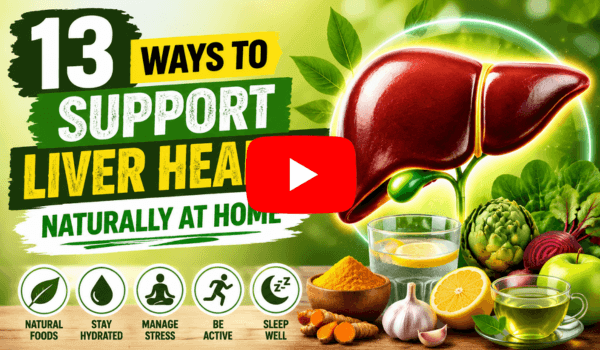

The liver is one of the most hardworking organs in the human body.
Responsible for filtering toxins, processing nutrients, regulating metabolism, producing bile, storing vitamins and minerals, and supporting countless biochemical reactions, the liver plays a central role in overall health and wellness.
Despite its remarkable ability to regenerate, the liver can become overwhelmed by poor dietary habits, excessive alcohol consumption, environmental toxins, sedentary lifestyles, and chronic health conditions.
Many people do not think about their liver health until symptoms begin to appear. Unfortunately, liver problems can develop silently over time.
Fatigue, digestive discomfort, unexplained weight changes, skin issues, and reduced energy levels may sometimes indicate that the liver is under stress.
The good news is that everyday lifestyle choices can significantly influence liver function and help support long-term liver wellness.
While no single food, supplement, or home remedy can magically detoxify the liver, adopting healthy habits can help the liver perform its natural functions more effectively.
Research consistently shows that balanced nutrition, regular physical activity, adequate hydration, quality sleep, and avoidance of harmful substances are among the most effective ways to support liver health naturally.
In this comprehensive guide, we explore 13 practical and science-backed ways to support liver health naturally at home.
These strategies can help promote healthy liver function, improve overall wellness, and reduce factors that contribute to liver stress.
Understanding the Liver’s Role in the Body
Before discussing ways to support liver health, it is important to understand what the liver does.
The liver performs over 500 essential functions, including:
- Filtering toxins and waste products from the blood
- Metabolizing medications and alcohol
- Producing bile to aid digestion
- Processing fats, proteins, and carbohydrates
- Regulating blood sugar levels
- Storing vitamins and minerals
- Supporting immune system function
- Producing important proteins involved in blood clotting
Because the liver is involved in so many critical processes, maintaining its health contributes to better energy levels, digestion, metabolic health, and overall well-being.
1. Eat a Nutrient-Dense, Balanced Diet
One of the most effective ways to support liver health is through proper nutrition. The foods consumed daily directly influence liver function, inflammation levels, and metabolic health.
A liver-friendly diet should focus on:
- Fresh vegetables and fruits
- Whole grains
- Lean proteins
- Healthy fats
- Legumes and beans
- Nuts and seeds
Vegetables such as broccoli, cauliflower, kale, spinach, and Brussels sprouts provide antioxidants and beneficial plant compounds that help support the body’s natural detoxification pathways.
Fruits offer vitamins, minerals, fiber, and antioxidants that may help combat oxidative stress.
Limiting highly processed foods is equally important. Excessive consumption of sugary snacks, refined carbohydrates, fast food, and heavily processed products may contribute to fat accumulation in the liver over time.
Creating balanced meals that include fiber, protein, and healthy fats can help maintain stable blood sugar levels and reduce metabolic stress on the liver.

2. Stay Properly Hydrated
Water is essential for virtually every function in the body, including processes that involve the liver. Proper hydration supports circulation, nutrient transport, digestion, and waste elimination.
Although water itself does not directly “cleanse” the liver, adequate hydration helps the body efficiently remove waste products through the kidneys and digestive system. This reduces unnecessary strain on metabolic pathways.
Simple ways to improve hydration include:
- Drinking water consistently throughout the day
- Starting the morning with a glass of water
- Consuming water-rich fruits and vegetables
- Limiting sugary beverages
Hydration needs vary based on age, activity level, climate, and health status, but making water the primary beverage choice is a simple step that benefits liver health.
3. Maintain a Healthy Body Weight
Excess body weight is one of the leading factors associated with fatty liver disease. When excess fat accumulates in liver cells, it can interfere with normal liver function and contribute to inflammation.
Maintaining a healthy weight through balanced eating and regular physical activity can help reduce liver fat and support overall metabolic health.
Healthy weight management strategies include:
- Portion control
- Consistent physical activity
- Choosing whole foods over processed options
- Reducing added sugars
- Prioritizing protein and fiber
Even modest weight loss can positively impact liver health in individuals carrying excess weight.
4. Exercise Regularly
Physical activity is one of the most effective natural ways to support liver health and overall wellness.
Regular exercise helps improve insulin sensitivity, maintain a healthy body weight, boost metabolism, reduce chronic inflammation, and decrease excess fat accumulation in the liver.
It also supports healthy blood sugar levels and cardiovascular function, both of which are closely linked to liver health.
Whether it’s walking, cycling, swimming, strength training, or yoga, staying active consistently can help the liver function more efficiently and promote long-term health.
Effective forms of exercise include:
- Walking
- Cycling
- Swimming
- Strength training
- Yoga
- Low-impact aerobic activities
Health experts generally recommend at least 150 minutes of moderate physical activity each week. Consistency is more important than intensity when it comes to long-term liver support.
5. Limit Added Sugar Intake
Excessive sugar consumption can place considerable strain on the liver over time. When large amounts of sugar, particularly fructose from sugary drinks, candies, desserts, and processed foods, are consumed, the liver works to metabolize it.
Excess fructose that the body does not immediately use for energy is often converted into fat and stored in the liver.
Over time, this process may contribute to fat buildup, metabolic imbalances, and increased stress on liver function.
Reducing added sugars and choosing whole, nutrient-rich foods can help support healthy liver function and overall well-being.
Over time, this may contribute to fatty liver development and metabolic dysfunction.
Common sources of added sugar include:
- Soft drinks
- Energy drinks
- Candy
- Pastries
- Sweetened cereals
- Processed desserts
Replacing sugary foods with whole fruits and nutrient-rich snacks can help reduce unnecessary liver burden.
6. Increase Fiber Consumption
Dietary fiber plays a key role in supporting digestive health and may indirectly promote better liver function.
It helps regulate blood sugar levels, lowers cholesterol, and improves appetite control, which can reduce metabolic stress on the liver.
Fiber also supports a healthy gut microbiome, aiding overall detoxification processes and contributing to long-term liver and metabolic wellness.
Excellent fiber sources include:
- Oats
- Beans
- Lentils
- Fruits
- Vegetables
- Whole grains
- Chia seeds
- Flaxseeds
Fiber also supports a healthy gut microbiome, which plays an increasingly recognized role in liver health through the gut-liver connection.

7. Choose Healthy Fats
Not all fats have the same impact on liver health. Replacing unhealthy fats like trans fats and heavily processed oils with healthier options can significantly support metabolic balance and cardiovascular health.
Healthy fats help reduce inflammation, improve cholesterol levels, and support proper liver function.
Choosing sources like olive oil, avocados, nuts, seeds, and fatty fish can contribute to long-term liver wellness and overall body health when consumed in moderation.
Beneficial sources of healthy fats include:
- Avocados
- Olive oil
- Nuts
- Seeds
- Fatty fish
- Nut butters
Limiting trans fats and highly processed fried foods can further support liver wellness.
8. Prioritize Quality Sleep
Sleep is often overlooked but plays a vital role in liver health.
During deep sleep, the body carries out essential repair, detoxification, and recovery processes that support metabolic balance and overall organ function.
Quality sleep helps regulate hormones, reduce inflammation, and maintain healthy blood sugar levels, all of which indirectly support optimal liver performance.
Consistently getting 7–9 hours of restful sleep each night can significantly enhance liver health and overall well-being.
Poor sleep quality has been linked to:
- Increased inflammation
- Weight gain
- Insulin resistance
- Metabolic disturbances
Establishing a regular sleep schedule and aiming for seven to nine hours of quality sleep each night can contribute to better liver health.
9. Reduce Alcohol Consumption
Alcohol is processed primarily by the liver, and excessive intake can place significant stress on this vital organ. Over time, heavy drinking may damage liver cells, increase inflammation, and impair the liver’s ability to function efficiently.
- The liver metabolizes alcohol, making it highly vulnerable to overuse and toxicity.
- Excess alcohol can lead to fat buildup and long-term liver damage.
- Inflammation from alcohol may interfere with normal liver regeneration.
- Moderation is key for those who choose to drink alcohol.
- Individuals with liver concerns should avoid alcohol and seek medical advice.
Reducing alcohol intake can significantly lower liver stress and support long-term liver health and overall well-being.
10. Consume Antioxidant-Rich Foods
Oxidative stress occurs when there is an imbalance between free radicals and antioxidants in the body. This imbalance can lead to cellular damage throughout various organs, including the liver.
Over time, it may contribute to inflammation, impaired detoxification processes, and reduced liver efficiency.
Consuming antioxidant-rich foods such as fruits, vegetables, nuts, and green tea can help neutralize free radicals and support healthy liver function.
Foods rich in antioxidants include:
- Berries
- Leafy greens
- Citrus fruits
- Tomatoes
- Green tea
- Nuts
- Colorful vegetables
Regular consumption of antioxidant-rich foods helps support the body’s natural defense systems.
11. Support Gut Health
The gut and liver are closely connected through the gut–liver axis, meaning changes in gut health can directly impact liver function.
An imbalance in gut bacteria may increase inflammation, affect nutrient absorption, and place added stress on the liver.
Supporting gut health through fiber-rich foods, probiotics, and a balanced diet can help maintain a healthy microbiome and promote better liver function and overall metabolic wellness.
Ways to support gut health include:
- Eating fiber-rich foods
- Consuming fermented foods
- Staying hydrated
- Limiting highly processed foods
Examples of fermented foods include yogurt, kefir, sauerkraut, kimchi, and miso.
12. Be Cautious With Medications and Supplements
Many medications, herbal products, and dietary supplements are metabolized by the liver, making it essential to use them responsibly.
Overuse or incorrect combinations can place added stress on liver function and may lead to toxicity over time.
Always follow recommended dosages and consult a healthcare professional before starting new medications or supplements to help protect liver health and ensure safe, effective use.
To reduce unnecessary strain:
- Follow dosage instructions carefully
- Avoid combining medications without guidance
- Discuss supplement use with healthcare providers
- Avoid unnecessary overuse of pain relievers
Using products responsibly helps protect liver health.
13. Manage Stress Effectively
Chronic stress can negatively impact many areas of health, including metabolism and immune system function.
While stress itself does not directly cause liver disease, long-term stress may lead to unhealthy habits such as poor diet, lack of exercise, or disrupted sleep, which can indirectly affect liver wellness.
Managing stress through relaxation techniques, physical activity, and mindfulness can support overall health and help maintain optimal liver function.
Healthy stress-management techniques include:
- Meditation
- Deep breathing exercises
- Walking outdoors
- Yoga
- Journaling
- Social connection
Supporting mental well-being contributes to overall health and may indirectly benefit liver function.
Additional Lifestyle Habits That Benefit Liver Health
Beyond the 13 primary strategies discussed above, several additional habits can support liver wellness:
- Avoid smoking
- Practice food safety
- Wash produce thoroughly
- Stay physically active throughout the day
- Keep routine healthcare appointments
- Monitor metabolic health markers
Small daily habits often create the greatest long-term impact.
Common Myths About Liver Detoxification
Many products claim to cleanse or detoxify the liver rapidly. However, the liver already possesses sophisticated natural detoxification systems.
There is limited scientific evidence supporting most commercial detox products, cleanses, or extreme fasting programs.
Instead, focusing on healthy lifestyle habits remains the most reliable and sustainable approach to supporting liver function.
True liver support comes from:
- Balanced nutrition
- Exercise
- Hydration
- Sleep
- Stress management
- Avoidance of harmful substances
These habits provide long-term benefits without the risks associated with extreme detox programs.
When to Seek Medical Advice?
While healthy lifestyle habits can strongly support liver wellness, certain symptoms should never be ignored.
Persistent fatigue, yellowing of the skin or eyes, abdominal pain, dark urine, swelling, or unexplained weight loss may indicate underlying liver issues.
Early medical evaluation is important for accurate diagnosis, timely treatment, and prevention of potential complications, helping protect long-term liver health and overall well-being.
Consult a healthcare provider if you experience:
- Persistent fatigue
- Yellowing of the skin or eyes
- Unexplained abdominal pain
- Dark urine
- Swelling in the abdomen
- Significant unexplained weight loss
- Ongoing digestive symptoms
Early detection and management of liver conditions can improve outcomes and prevent complications.

Conclusion
The liver is a remarkable organ that performs hundreds of essential functions every day. Supporting liver health naturally does not require expensive cleanses, restrictive diets, or complicated wellness routines.
Instead, consistent healthy habits provide the strongest foundation for long-term liver wellness.
The 13 ways to support liver health naturally at home include eating a nutrient-rich diet, staying hydrated, maintaining a healthy weight, exercising regularly, limiting added sugars, increasing fiber intake, choosing healthy fats, prioritizing sleep, reducing alcohol consumption, consuming antioxidant-rich foods, supporting gut health, using medications responsibly, and managing stress effectively.
By incorporating these evidence-based strategies into daily life, individuals can help support healthy liver function, improve overall well-being, and promote better long-term health.
Small, sustainable lifestyle changes made today can contribute significantly to liver health for years to come.
.
.
.