15 Ways to Improve Oral Health Naturally at Home Fast
15 Ways to Improve Oral Health Naturally at Home Fast without Medication

Oral health is often underestimated, yet it is one of the most important pillars of overall wellness.
Your mouth is the entry point to your digestive and respiratory systems, which means bacteria, inflammation, and infections that start in the mouth can easily influence the rest of your body.
Poor oral hygiene is not just about cavities or bad breath. It is strongly linked with:
- Gum disease (gingivitis and periodontitis)
- Heart disease risk
- Diabetes complications
- Respiratory infections
- Chronic inflammation
- Digestive imbalances
Modern research continues to show that oral bacteria can enter the bloodstream and trigger systemic inflammation. This makes oral care not just cosmetic, but deeply medical.
The good news is that you don’t need expensive treatments to improve oral health. Many powerful improvements can be achieved naturally at home through consistent habits and simple remedies.
In this detailed guide, we will explore 15 scientifically supported and traditionally proven ways to improve oral health naturally at home fast, explained in depth so you can actually apply them effectively.
1. Master Proper Brushing Technique for Deep Oral Cleaning
Brushing your teeth is the most basic oral hygiene habit, but most people do it incorrectly. The effectiveness of brushing depends far more on technique than force or frequency.
Why brushing correctly matters
Improper brushing can:
- Damage enamel (outer protective layer of teeth)
- Cause gum recession
- Leave plaque behind even after brushing
- Increase sensitivity over time
Correct brushing, however, removes plaque biofilm, reduces bacteria load, and prevents tartar formation.
Proper brushing method (step-by-step)
To improve oral health effectively:
- Use a soft-bristled toothbrush (medium/hard bristles damage gums)
- Apply a pea-sized amount of fluoride toothpaste
- Hold the brush at a 45-degree angle toward the gums
- Use small circular motions instead of horizontal scrubbing
- Brush outer, inner, and chewing surfaces
- Spend at least 2 minutes total
- Gently brush gumline (where plaque accumulates most)
Advanced tip
Most people rush brushing. Instead, divide your mouth into 4 sections and spend 30 seconds per section.
Expert insight
Dentists often say plaque is like a sticky film. It cannot be removed by force it must be broken down gently but consistently.
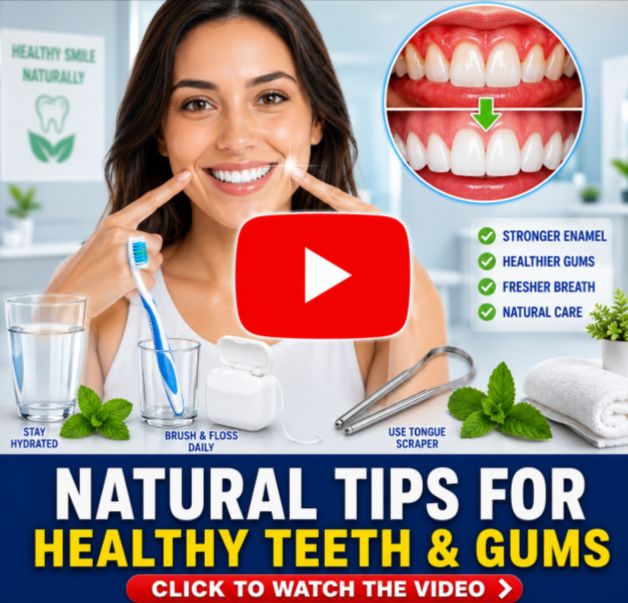
2. Daily Flossing: Cleaning What Your Brush Cannot Reach
Flossing is often ignored, yet it removes up to 40% of plaque that brushing alone cannot reach.
Why flossing is critical
Between teeth is where:
- Food particles get trapped
- Bacteria multiply rapidly
- Cavities often begin unnoticed
- Gum disease silently develops
Even perfect brushing leaves these spaces untouched.
What happens without flossing
When plaque remains between teeth:
- It hardens into tartar
- Causes gum inflammation
- Leads to bleeding gums
- Eventually results in tooth loosening
Proper flossing technique
- Use 18 inches of floss
- Wrap around fingers for control
- Gently slide between teeth (don’t snap)
- Curve floss into “C” shape around each tooth
- Move up and down gently under gumline
Alternative options
If traditional floss is difficult:
- Water flossers
- Interdental brushes
- Soft dental picks
Expert insight
Flossing once daily is more effective than brushing three times a day done incorrectly.
3. Salt Water Rinse: Natural Healing for Gums and Inflammation
Salt water has been used for centuries as a natural disinfectant for oral wounds and gum infections.
How salt water works scientifically
Salt creates a hypertonic environment that:
- Draws out excess fluid from inflamed gums
- Reduces bacterial load
- Helps wounds heal faster
- Balances oral pH
Benefits of salt water rinsing
- Reduces gum swelling
- Soothes tooth pain
- Helps after dental procedures
- Fights mild infections
- Freshens breath naturally
How to use it properly
- Warm 1 cup of water
- Add ½ teaspoon salt
- Mix thoroughly
- Swish for 30–60 seconds
- Spit out completely
Repeat 1–2 times daily.
Important caution
Do not overuse concentrated salt water—it may dry oral tissues if used excessively.
4. Oil Pulling with Coconut Oil: Ancient Detox for Modern Oral Health
Oil pulling is an Ayurvedic technique that has gained global recognition for its oral benefits.
How oil pulling works
Coconut oil contains lauric acid, which has:
- Antibacterial properties
- Anti-inflammatory effects
- Lipid-based cleansing action
It binds to bacteria and removes them when spat out.
Benefits of oil pulling
Regular practice may help:
- Reduce plaque formation
- Improve gum health
- Decrease bad breath
- Whiten teeth naturally over time
- Support oral microbiome balance
Step-by-step method
- Take 1 tablespoon coconut oil
- Swish gently for 10–15 minutes
- Do not swallow
- Spit into trash (not sink)
- Rinse mouth with warm water
- Brush afterward
Expert note
Oil pulling is a supportive therapy, not a replacement for brushing or flossing.
5. Reduce Sugar Intake: The #1 Cause of Tooth Decay
Sugar is the primary fuel for harmful oral bacteria.
What happens when you consume sugar
Bacteria in your mouth convert sugar into acids that:
- Erode enamel
- Create cavities
- Feed plaque formation
- Increase gum inflammation
Hidden sugar sources
Even foods like:
- Ketchup
- Bread
- Energy drinks
- Packaged snacks
Contain hidden sugars.
How to reduce damage
- Limit sugary drinks
- Avoid constant snacking
- Rinse mouth after sweets
- Chew sugar-free gum after meals
Expert insight
It is not just the amount of sugar, but the frequency that causes damage.
6. Eat Teeth-Strengthening Foods for Natural Protection
Diet plays a powerful role in oral health.
Best foods for oral health
- Apples – Act like natural toothbrushes, increasing saliva flow.
- Carrots – Rich in fiber and helps clean tooth surfaces.
- Leafy greens – High in calcium and folic acid for gum health.
- Dairy products – Provide calcium and phosphorus for enamel strength.
- Nuts and seeds – Support mineralization of teeth.
How food protects teeth
Chewing fibrous foods:
- Scrapes plaque naturally
- Stimulates saliva
- Strengthens jaw muscles
7. Hydration: The Most Overlooked Oral Health Secret
Water is essential for maintaining a healthy mouth environment.
Role of saliva
Saliva:
- Neutralizes acids
- Washes away food debris
- Contains antibacterial enzymes
- Repairs early enamel damage
Effects of dehydration
Low water intake leads to:
- Dry mouth
- Bad breath
- Increased cavity risk
- Faster plaque buildup
Best hydration habits
- Drink water after every meal
- Carry water throughout the day
- Reduce caffeine and alcohol intake
- Rinse mouth after eating
8. Use Herbal Mouthwash Instead of Chemical-Based Products
Most commercial mouthwashes contain alcohol, artificial flavors, and strong antiseptics that may kill harmful bacteria, but they also disrupt the natural balance of good bacteria in your mouth.
Over time, this can lead to dryness, irritation, and even increased bad breath.
Herbal mouthwashes, on the other hand, work in harmony with your oral microbiome while still reducing harmful bacteria.
Why herbal mouthwash is better
Natural rinses help:
- Maintain healthy bacterial balance
- Reduce gum inflammation gently
- Freshen breath without harsh chemicals
- Support long-term gum health
Best natural mouthwash options
Neem water rinse
Neem contains powerful antibacterial compounds that help reduce plaque formation and fight gum infections naturally.
Green tea rinse
Rich in antioxidants called catechins, green tea helps reduce bacterial growth and inflammation.
Clove-infused water
Clove contains eugenol, a natural compound with pain-relieving and antiseptic properties.
Salt + herbal blend rinse
Combining salt with herbal infusions enhances antibacterial effects.
How to use
- Prepare herbal infusion
- Let it cool to lukewarm
- Swish for 30–60 seconds
- Use once or twice daily
Expert insight
Herbal rinses are especially beneficial for people with sensitive gums or recurring inflammation.
9. Clean Your Tongue Daily for Complete Oral Hygiene
The tongue is often ignored in oral care routines, yet it is one of the biggest reservoirs of bacteria in the mouth.
Why tongue cleaning matters
The tongue surface contains:
- Dead cells
- Food debris
- Bacteria colonies
- Sulfur-producing compounds (cause bad breath)
If not cleaned, these can lead to chronic halitosis (bad breath) and increased plaque formation.
Benefits of tongue cleaning
Regular cleaning helps:
- Improve breath freshness instantly
- Enhance taste perception
- Reduce bacterial load in the mouth
- Support overall oral hygiene balance
How to clean properly
- Use a tongue scraper or toothbrush
- Start from the back of the tongue gently
- Scrape forward slowly
- Rinse the tool after each stroke
- Repeat 3–5 times
Best time to clean tongue
- Morning after waking up (most important)
- After brushing teeth
Expert note
Studies show tongue cleaning can significantly reduce volatile sulfur compounds responsible for bad breath.
10. Use Clove for Natural Tooth Pain Relief and Infection Control
Clove has been used for centuries in traditional dentistry for its powerful medicinal properties.
Active compound: Eugenol
Eugenol acts as:
- Natural anesthetic (pain reliever)
- Antibacterial agent
- Anti-inflammatory compound
Benefits of clove for oral health
Clove helps:
- Relieve toothache quickly
- Reduce gum swelling
- Fight bacterial infections
- Improve oral comfort
How to use clove safely
Method 1: Whole clove
- Place a clove near affected tooth
- Gently chew to release oils
- Leave for a few minutes
Method 2: Clove oil
- Mix with carrier oil (like coconut oil)
- Apply using cotton swab
- Use only small amounts
Important caution
Do not overuse clove oil directly—it is very strong and may irritate gums if applied excessively.
11. Gum Massage Therapy to Strengthen Oral Tissue
Healthy gums are the foundation of strong teeth. Gum massage is a simple yet powerful technique to improve circulation and tissue strength.
Why gum massage works
Massaging gums:
- Improves blood flow
- Strengthens gum fibers
- Reduces inflammation
- Supports healing of early gum disease
Step-by-step method
- Wash hands thoroughly
- Use clean fingers or soft toothbrush
- Gently massage gums in circular motion
- Cover all gum areas
- Perform for 1–2 minutes daily
Best time to do it
- After brushing
- Before bedtime
Expert insight
Healthy gums should not bleed during massage. If bleeding occurs, it may indicate early gum disease.
12. Avoid Smoking and Tobacco for Immediate Oral Health Improvement
Smoking is one of the most destructive habits for oral health.
How tobacco damages oral health
Smoking leads to:
- Gum disease progression
- Tooth discoloration
- Delayed healing
- Reduced blood flow to gums
- Increased risk of oral cancer
Why do smokers have worse oral health
Nicotine reduces oxygen supply to gum tissue, weakening its ability to fight infection.
Benefits of quitting smoking
- Fresher breath
- Healthier gums
- Reduced staining
- Lower infection risk
- Stronger immune response in the mouth
Expert insight
Even reducing smoking frequency can improve oral healing within weeks.
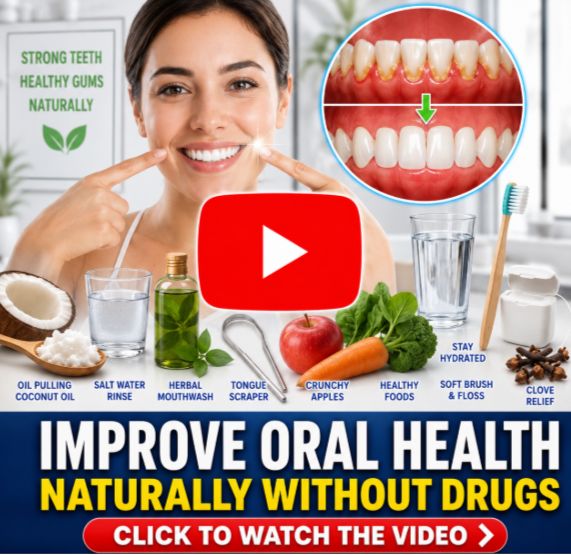
13. Baking Soda: Natural Whitening and Acid Neutralizer
Baking soda is a mild abrasive and alkaline compound that helps maintain oral pH balance.
How it works
- Neutralizes acids in the mouth
- Removes surface stains
- Reduces plaque accumulation
Benefits
- Natural teeth whitening
- Fresher breath
- Reduced bacterial growth
How to use safely
- Mix small amount with water or toothpaste
- Brush gently
- Use only 1–2 times per week
Important caution
Overuse can damage enamel due to abrasiveness.
14. Improve Saliva Production for Natural Protection
Saliva is your mouth’s natural defense system.
Functions of saliva
- Washes away food particles
- Neutralizes acids
- Provides minerals for enamel repair
- Contains antibacterial enzymes
Causes of low saliva
- Dehydration
- Stress
- Certain medications
- Excess caffeine
How to increase saliva naturally
Chewing stimulation
- Sugar-free gum
- Crunchy fruits and vegetables
Hydration
- Drink water regularly throughout the day
Diet support
- Avoid excessive salty or dry foods
Expert insight
Dry mouth is one of the strongest risk factors for cavities.
15. Build a Complete Daily Oral Care System (The Most Important Step)
All individual methods become most powerful when combined into a consistent routine.
Morning routine
- Brush teeth properly
- Clean tongue
- Rinse with water or herbal mouthwash
- Drink water immediately after waking
After meals
- Rinse mouth
- Avoid constant snacking
- Chew sugar-free gum if needed
Night routine (most important)
- Brush thoroughly
- Floss daily
- Use herbal rinse
- Optional oil pulling (2–3x weekly)
Weekly habits
- Baking soda brushing (1–2 times)
- Deep gum massage
- Check oral sensitivity or changes
Expert insight
Consistency matters more than intensity. A simple routine done daily is more effective than advanced care done occasionally.
Why Natural Oral Care Matters
Natural oral care is becoming increasingly important in today’s world where processed foods, sugary diets, and chemical-heavy oral products are widely used.
Instead of focusing only on treating problems after they appear, natural oral care emphasizes prevention, balance, and long-term protection of the mouth’s natural ecosystem.
The human mouth is home to millions of beneficial bacteria that help maintain pH balance and protect against harmful pathogens.
When we constantly rely on strong chemical-based products or neglect proper care, this balance can be disrupted, leading to issues such as sensitivity, gum irritation, and recurring dental problems.
One of the biggest advantages of natural oral care is that it supports the body’s own defense mechanisms rather than replacing them.
Simple habits like oil pulling, herbal rinses, proper hydration, and nutrient-rich diets help strengthen gums, reduce inflammation, and naturally control bacterial growth.
Advanced Oral Health Tips (Bonus Section)
1. Replace toothbrush regularly
Every 2–3 months to avoid bacterial buildup.
2. Avoid acidic drink overconsumption
Soda, energy drinks, and citrus juices weaken enamel.
3. Do not brush immediately after acidic foods
Wait at least 30 minutes.
4. Sleep is important for oral repair
Poor sleep increases inflammation and weakens immunity.
Common Oral Health Problems You Can Prevent Naturally
Many oral health issues begin silently and progress slowly before becoming noticeable. The good news is that a large number of these problems can be significantly reduced or even prevented through consistent natural oral care practices.
One of the most common issues is tooth decay (cavities), which occurs when bacteria in the mouth feed on sugars and produce acids that gradually erode enamel.
By reducing sugar intake, maintaining proper brushing habits, and increasing saliva flow through hydration and chewing fiber-rich foods, you can greatly lower the risk of cavity formation.
Another widespread problem is gum inflammation (gingivitis), which often starts with redness, swelling, and bleeding gums during brushing or flossing.