12 Ways to Get Rid of Toenail Fungus Naturally & Fast at Home
12 Ways to Get Rid of Toenail Fungus Naturally & Fast at Home Without Medication!
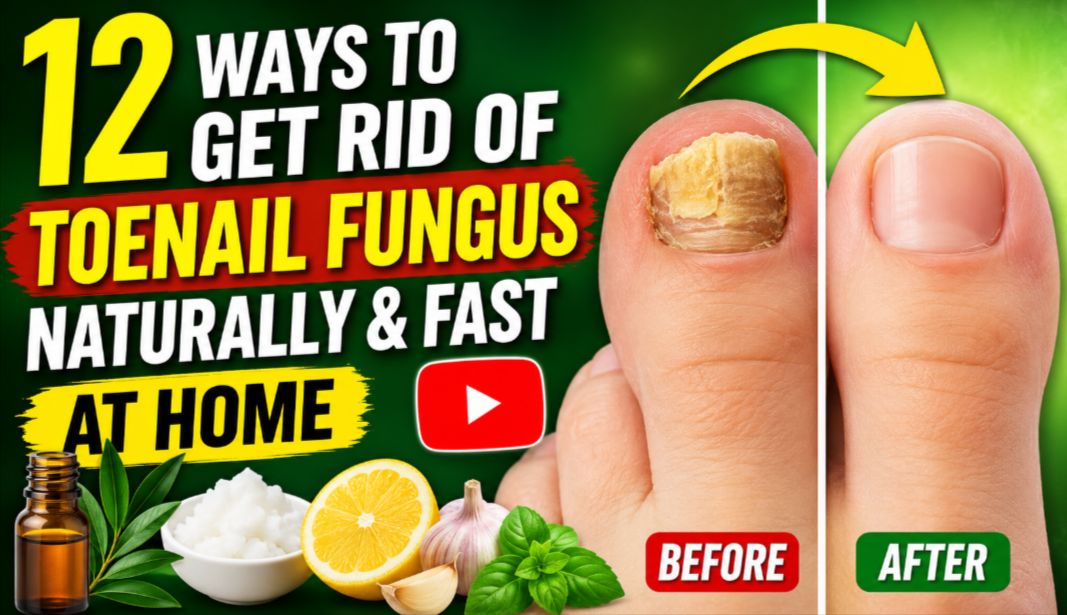

Toenail fungus is one of those stubborn problems that starts small but can become increasingly uncomfortable, embarrassing, and difficult to manage if ignored.
Medically known as Toenail Fungus, it affects millions of people worldwide and thrives in warm, moist environments like sweaty shoes, public showers, and tight footwear.
The good news is that while it can take time, several natural home remedies and habits may help slow its spread, improve nail appearance, and support healthier nail regrowth.
In this guide, you’ll discover 15 practical, natural, and easy-to-follow methods that people commonly use at home.
What Is Toenail Fungus?
Toenail fungus is a fungal infection that enters the nail through tiny cracks or cuts. Once inside, it spreads beneath the nail bed, feeding on keratin (the protein that makes up your nails).
Common symptoms include:
- Yellow, white, or brown discoloration
- Thickened or brittle nails
- Crumbling edges
- Distorted nail shape
- Foul odor in severe cases
Fungal infections grow slowly, which is why many people ignore them at first—until they become more visible and harder to treat.
What Causes Toenail Fungus?
Understanding the causes helps prevent reinfection. Common triggers include:
- Walking barefoot in public showers or pools
- Wearing tight or non-breathable shoes
- Excessive sweating (especially in the feet)
- Poor nail hygiene
- Weak immune system
- Diabetes or circulation problems
- Nail injuries
Now let’s explore 15 natural ways that may help you manage and improve toenail fungus at home.
12 Ways to Get Rid of Toenail Fungus Naturally & Fast at Home
1. Tea Tree Oil Treatment
Tea tree oil is one of the most popular natural antifungal remedies due to its strong antimicrobial properties. It may help fight fungus and reduce inflammation around the nail.
How to use it:
- Mix 2–3 drops of tea tree oil with a carrier oil (coconut or olive oil)
- Apply directly to the affected nail using a cotton swab
- Leave it on for at least 30 minutes or overnight
- Repeat daily
Why it works:
Tea tree oil contains terpinen-4-ol, a compound known for antifungal activity.
2. Apple Cider Vinegar Soak
Apple cider vinegar creates an acidic environment that may slow fungal growth.
How to use:
- Mix 1 part vinegar with 2 parts warm water
- Soak feet for 15–20 minutes daily
- Dry thoroughly afterward
Extra tip:
Always dry your feet completely, fungus thrives in moisture.
3. Baking Soda Paste
Baking soda helps absorb moisture and may reduce fungal spread.
How to use:
- Mix baking soda with water to form a thick paste
- Apply to affected nails
- Leave for 10–15 minutes
- Rinse and dry thoroughly
You can also sprinkle baking soda inside shoes to keep them dry.
4. Garlic Treatment
Garlic contains allicin, a natural antifungal compound.
How to use:
- Crush fresh garlic cloves
- Mix with olive oil
- Apply to infected nail for 30 minutes
- Rinse well
Some people also consume garlic to support internal antifungal defense.
5. Coconut Oil Application
Coconut oil contains fatty acids like lauric acid that may help fight fungal infections.
How to use:
- Apply a thin layer of virgin coconut oil to the nail
- Massage gently into surrounding skin
- Use 2–3 times daily
It also helps moisturize dry, cracked skin around the nails.
6. Hydrogen Peroxide Solution
Hydrogen peroxide may help kill surface-level fungi and bacteria.
How to use:
- Mix equal parts 3% hydrogen peroxide and water
- Soak the affected nail for 10 minutes
- Dry thoroughly
Be cautious; overuse may irritate skin.
7. Vicks VapoRub Method
Though not traditionally designed for fungus, Vicks contains menthol and eucalyptus oil, which may slow fungal growth.
How to use:
- Apply a small amount on the nail daily
- Cover with clean socks overnight
Many users report gradual improvement over time.
8. Keep Nails Trimmed and Clean
Fungus thrives under long, thick nails.
Best practice:
- Trim nails straight across
- File thickened areas
- Clean tools after every use
This reduces fungal hiding spaces and helps treatments work better.
9. Use Essential Oils Blend
A combination of essential oils can enhance antifungal effects.
Suggested blend:
- Tea tree oil
- Lavender oil
- Eucalyptus oil
Mix with a carrier oil and apply daily.
Benefit:
Helps reduce odor, inflammation, and fungal activity.
10. Maintain Dry Feet at All Times
Moisture is the biggest enemy in fungal control.
Daily habits:
- Change socks twice daily if needed
- Use moisture-wicking socks
- Dry between toes after bathing
- Avoid tight shoes
Simple dryness control can significantly reduce fungal spread.
11. Improve Foot Hygiene Routine
Good hygiene prevents reinfection.
Steps:
- Wash feet daily with antibacterial soap
- Scrub nails gently
- Dry thoroughly
- Disinfect nail tools regularly
Consistency is key for visible improvement.
12. Baking Soda + Hydrogen Peroxide Combo
This combination is often used for stubborn cases.
Method:
- Mix baking soda, hydrogen peroxide, and water into a paste
- Apply for 10–15 minutes
- Rinse and dry
This may help reduce discoloration and fungal buildup.
How Moist Environments Destroy Nail Health (Hidden Cause Most People Miss)
Moisture is one of the biggest contributing factors to toenail fungus, yet it is often overlooked. Fungi thrive in warm, damp environments where they can multiply rapidly and spread from one nail to another.
Everyday activities such as wearing closed shoes for long hours or not drying feet properly after a shower create the perfect breeding ground for fungal growth.
Even something as simple as walking barefoot in damp bathrooms can expose nails to fungal spores.
When moisture gets trapped around the nail, it softens the keratin structure, making it easier for fungus to penetrate deeper layers. Over time, this leads to thickened, discolored, and brittle nails.
People who sweat excessively or wear non-breathable shoes are at even higher risk. The constant combination of heat and moisture accelerates infection progression.
To break this cycle, moisture control must become a priority. This includes drying feet thoroughly, using moisture-wicking socks, rotating shoes, and allowing feet time to breathe whenever possible.
Understanding How Toenail Fungus Spreads in Daily Life
Toenail fungus doesn’t appear randomly—it spreads through microscopic fungal spores that thrive in warm, damp environments.
Once these spores land on a vulnerable nail, they slowly penetrate the nail plate and begin feeding on keratin.
One of the most overlooked aspects is how easily it spreads through everyday routines like walking barefoot at home, sharing towels, or wearing unwashed socks.
Even small habits like reusing sweaty shoes without proper drying can silently worsen the infection over time.
Understanding this transmission cycle is essential because prevention is just as important as treatment when dealing with stubborn fungal conditions.
Why Is Toenail Fungus So Hard to Eliminate?
One of the biggest frustrations people face is why toenail fungus takes so long to go away. The reason lies in the structure of the nail itself.
Toenails are thick, slow-growing, and do not receive strong blood circulation compared to other parts of the body. This makes it difficult for both natural remedies and medications to reach the infection quickly.
Additionally, fungi can live deep beneath the nail bed where surface treatments only reach partially. This is why consistent, long-term treatment is necessary rather than expecting instant results.
The Role of Moisture in Worsening Nail Fungus
Moisture is one of the most powerful triggers for fungal growth. Feet naturally sweat throughout the day, and when trapped inside socks and shoes, this moisture creates the perfect breeding ground for infection.
Even after bathing, if feet are not dried properly, especially between the toes, the fungus can continue to thrive.
Many people unknowingly worsen their condition simply by wearing damp socks or not allowing their shoes to fully air out. Keeping feet dry consistently is one of the simplest yet most effective ways to support healing.
Toenail Fungus Trigger vs Natural Remedy
| Toenail Fungus Trigger | Natural Remedy |
|---|---|
| Moist shoes and sweaty feet | Keep feet dry and wear breathable socks |
| Fungal growth under nails | Apply tea tree oil regularly |
| Thick and brittle nails | Use coconut oil for moisture support |
| Poor foot hygiene | Trim and clean nails weekly |
| Warm, damp environment | Use baking soda to absorb moisture |
| Nail discoloration | Soak feet in apple cider vinegar |
| Weak immune support | Eat probiotic-rich foods |
| Public showers and pools | Wear protective footwear |
How Does Diet Affect Toenail Fungus Recovery?
What you eat plays a surprising role in how your body fights fungal infections. Diets high in sugar and refined carbohydrates can encourage fungal growth internally because fungi feed on sugar.
On the other hand, a nutrient-rich diet filled with antioxidants, vitamins, and probiotics helps strengthen your immune system and improve your body’s ability to fight infections naturally.
Foods like garlic, ginger, yogurt, leafy greens, and berries may support antifungal defense from within, making external treatments more effective.
Difference Between Toenail Fungus and Nail Psoriasis
Many people confuse fungal infections with psoriasis, leading to the wrong treatment.
Toenail fungus:
- Caused by infection
- Usually yellow, brittle nails
- Often starts at one nail
Nail psoriasis:
- Autoimmune condition
- Pitting or dents in nails
- May involve multiple nails at once
Correct identification ensures proper treatment.
The Importance of Sterilizing Nail Tools Regularly
Many people treat their nails but forget an essential step: tool hygiene. Nail clippers, files, and scissors can easily carry fungal spores from one nail to another if not cleaned properly.
This leads to reinfection even after visible improvement. Sterilizing tools with alcohol or boiling water after every use can significantly reduce this risk.
It may seem like a small habit, but it plays a major role in stopping the cycle of recurring infection.
Early Signs You Should Never Ignore in Toenail Fungus (Detailed Guide)
Toenail fungus does not appear overnight it develops slowly, often giving subtle warnings before it becomes visibly severe.
The challenge is that most people ignore these early signs, assuming it is just discoloration or minor nail damage.
However, identifying the infection early can dramatically improve treatment success, especially when using natural remedies.
One of the earliest indicators is a faint white or yellow spot appearing near the edge or tip of the toenail.
This spot may seem harmless at first, but it is often the initial stage where fungal spores begin feeding on keratin beneath the nail surface. Over time, this small discoloration can spread deeper into the nail bed.
Another early symptom is a slight change in nail texture. The nail may lose its smooth, shiny appearance and begin to feel rough or uneven. In some cases, the nail may become slightly thicker, making it harder to trim normally.
Lifestyle Habits to Prevent Toenail Fungus from Returning
Even after treatment, prevention is key.
Essential habits:
- Wear breathable footwear
- Use antifungal foot powders
- Avoid walking barefoot in public places
- Disinfect shoes regularly
- Keep nails clean and short
Myths About Toenail Fungus
Myth 1: Toenail Fungus Goes Away on Its Own
Most fungal infections worsen without treatment.
Myth 2: Bleach Is Safe for Toenails
Bleach may damage skin and nails and is not recommended.
Myth 3: Nail Polish Hides the Problem
Nail polish can trap moisture and worsen fungal growth.
Understanding these myths helps people make safer treatment decisions.
How Long Does It Take to Cure Toenail Fungus Naturally?
Natural remedies are effective but require consistency.
- Mild cases: 2–4 weeks for visible improvement
- Moderate cases: 1–3 months
- Severe cases: 3–6 months or longer
Toenails grow slowly, so patience is essential.
How Shoes Can Either Heal or Harm Your Condition?
Footwear choice directly impacts how quickly toenail fungus improves. Tight, non-breathable shoes trap heat and moisture, creating an ideal environment for fungal growth.
On the other hand, breathable shoes made from natural materials like leather or mesh allow airflow and help keep feet dry.
Rotating shoes daily also allows each pair enough time to fully dry out, reducing the chance of reinfection. In many cases, simply changing footwear habits can dramatically improve results.
The Psychological Impact of Toenail Fungus
Although often considered a minor condition, toenail fungus can have a noticeable emotional and psychological impact.
Many people feel embarrassed about the appearance of their nails and may avoid wearing open footwear or participating in social activities.
This can gradually affect confidence and self-esteem. Addressing the condition early not only improves physical health but also helps restore emotional comfort and confidence in daily life.
Prevention Tips to Avoid Future Infections
Once you start improving, prevention becomes essential.
- Never walk barefoot in public showers
- Keep nails short and clean
- Disinfect nail tools regularly
- Avoid sharing socks or shoes
- Rotate footwear daily
- Use antifungal powder if needed