12 Science-Backed Ways to Boost GLP-1 Naturally for Weight Loss
12 Science-Backed Ways to Boost GLP-1 Naturally for Weight Loss
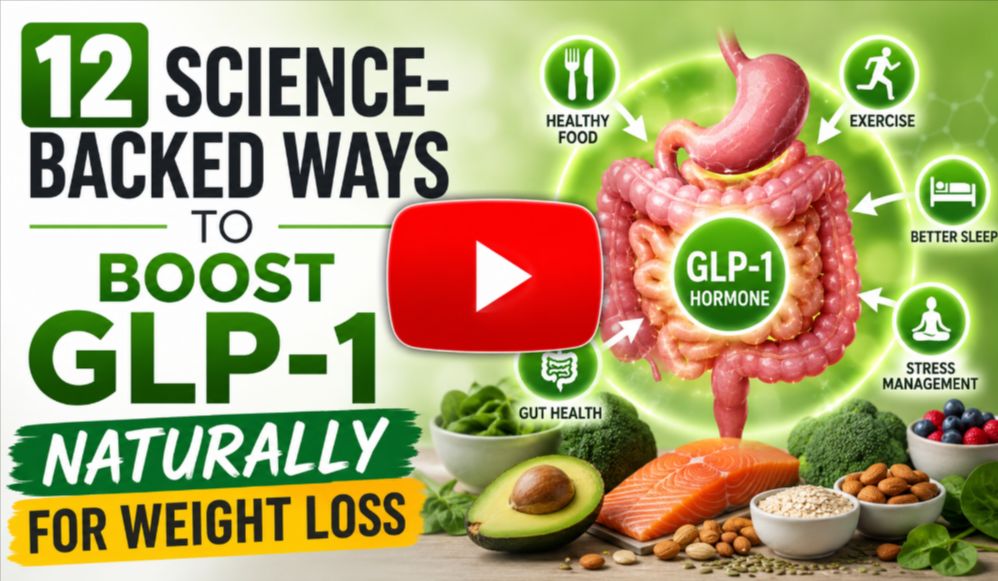

Modern weight loss conversations have changed dramatically over the past few years. Instead of focusing only on calories, diets, or intense exercise programs, scientists and health experts are now paying closer attention to hormones that influence hunger, fullness, metabolism, and fat storage.
One hormone that has received enormous attention is GLP-1.
You may have heard about GLP-1 through prescription weight loss medications, social media trends, or celebrity success stories.
But many people are surprised to learn that GLP-1 is not something artificial created in a lab. It is a naturally occurring hormone your body already produces every day.
The exciting part is this: certain foods, lifestyle habits, exercise routines, sleep patterns, and gut-health strategies may naturally support healthy GLP-1 production.
That means your daily choices can directly influence how hungry you feel, how full you stay after meals, how stable your blood sugar remains, and how effectively your body manages weight.
What Is GLP-1?
GLP-1 stands for Glucagon-Like Peptide-1, a hormone released primarily in the intestines after you eat food.
It belongs to a group of hormones called incretins, which help regulate blood sugar and appetite.
When you eat, GLP-1 is released into the bloodstream and sends signals throughout the body, especially to the brain, pancreas, and digestive system.
Its main functions include:
- Increasing feelings of fullness
- Reducing appetite
- Slowing stomach emptying
- Helping regulate insulin release
- Supporting blood sugar control
- Influencing food cravings
- Helping reduce overeating
In simple terms, GLP-1 acts like your body’s natural appetite-control system.
When GLP-1 levels function properly, it becomes easier to feel satisfied after meals and avoid constant snacking or cravings.
Why Is GLP-1 So Important for Weight Loss?
Most people think weight loss is only about willpower.
But hormones strongly influence hunger, cravings, and metabolism.
If your hunger hormones are constantly signaling you to eat more, losing weight becomes significantly harder.
GLP-1 helps regulate those signals naturally.
GLP-1 and Appetite Control
One of GLP-1’s biggest roles is communicating with the appetite centers in the brain.
After eating, GLP-1 sends signals that say:
“You’ve eaten enough.”
“You’re satisfied.”
“You don’t need more food right now.”
This may help reduce:
- Constant hunger
- Emotional snacking
- Portion sizes
- Sugar cravings
- Late-night eating
GLP-1 and Digestion
GLP-1 also slows gastric emptying, which means food leaves the stomach more slowly.
This prolongs feelings of fullness and may naturally reduce calorie intake throughout the day.
GLP-1 and Blood Sugar
Blood sugar spikes and crashes often trigger cravings and overeating.
GLP-1 helps regulate insulin release and blood sugar response after meals, which may improve energy stability and appetite control.
Signs Your Appetite Hormones May Be Out of Balance
Many modern lifestyle habits can interfere with healthy satiety signaling.
You may benefit from supporting natural GLP-1 activity if you experience:
- Constant hunger
- Frequent sugar cravings
- Emotional eating
- Difficulty feeling full
- Weight gain despite dieting
- Energy crashes after meals
- Late-night snacking
- Strong cravings for processed foods
These symptoms do not automatically mean low GLP-1 levels, but they may indicate disrupted appetite regulation.
The Connection Between GLP-1 and Gut Health
One of the most fascinating discoveries in modern nutrition science is the strong relationship between gut bacteria and metabolic health.
Your digestive tract contains trillions of bacteria collectively known as the gut microbiome.
These microbes influence:
- Digestion
- Immune function
- Inflammation
- Mood
- Appetite hormones
- Blood sugar regulation
Research suggests healthy gut bacteria may help stimulate natural GLP-1 secretion.
This is one reason why fiber-rich foods, fermented foods, and whole-food diets are strongly associated with healthier body weight.
An unhealthy gut microbiome, on the other hand, may contribute to:
- Increased inflammation
- Cravings
- Poor satiety
- Insulin resistance
- Obesity risk
Supporting your gut may therefore support healthier appetite control naturally.
1. Eat More Protein at Every Meal
Protein is one of the most powerful nutrients for increasing satiety and naturally supporting GLP-1 production.
Compared to refined carbohydrates, protein tends to increase fullness significantly more.
High-protein meals may help:
- Reduce appetite
- Preserve muscle mass
- Increase calorie burning through digestion
- Reduce cravings
- Improve blood sugar stability
Why Protein Matters for GLP-1
Research shows protein consumption stimulates the release of satiety hormones, including GLP-1 and peptide YY (PYY).
This hormone response helps you feel satisfied for longer periods after eating.
Many people consume too little protein at breakfast and lunch, leading to increased snacking later in the day.
Best Protein Sources
Animal-Based Protein
- Eggs
- Chicken breast
- Turkey
- Salmon
- Tuna
- Greek yogurt
- Cottage cheese
- Lean beef
Plant-Based Protein
- Lentils
- Chickpeas
- Tofu
- Tempeh
- Black beans
- Edamame
- Hemp seeds
Protein Timing Matters
Instead of eating most protein at dinner, spreading protein intake throughout the day may help maintain satiety and stabilize appetite hormones.
A protein-rich breakfast may be especially helpful for reducing cravings later in the day.
2. Increase Soluble Fiber Intake
Fiber is essential for digestive health, but it also plays a major role in appetite regulation.
Certain types of fiber may help stimulate natural GLP-1 production through interactions with gut bacteria.
What Is Soluble Fiber?
Soluble fiber absorbs water and forms a gel-like texture in the digestive tract.
This slows digestion and helps prolong fullness.
It also feeds beneficial gut bacteria that produce short-chain fatty acids linked to GLP-1 secretion.
Benefits of Soluble Fiber
- Helps reduce appetite
- Slows sugar absorption
- Supports healthy digestion
- Promotes gut health
- Helps stabilize blood sugar
- May lower cholesterol
Best Soluble Fiber Foods
- Oats
- Chia seeds
- Flaxseeds
- Apples
- Pears
- Beans
- Lentils
- Brussels sprouts
- Sweet potatoes
- Avocados
Fiber and Weight Management
People who eat more fiber-rich foods tend to consume fewer calories naturally because fiber increases fullness without excessive calorie intake.
3. Eat Healthy Fats Instead of Processed Fats
Fat has often been misunderstood in the weight loss world.
While highly processed trans fats may harm metabolism, healthy fats are essential for hormone balance and satiety.
Healthy fats may help support GLP-1 by slowing digestion and improving meal satisfaction.
Healthy Fat Sources
- Extra virgin olive oil
- Avocados
- Almonds
- Walnuts
- Pistachios
- Chia seeds
- Flaxseeds
- Fatty fish
- Natural nut butters
Why Healthy Fats Help
Meals that combine healthy fats with protein and fiber tend to keep people fuller longer compared to meals dominated by refined carbohydrates.
This may reduce:
- Mindless snacking
- Sugar cravings
- Blood sugar crashes
- Overeating
Avoid Highly Processed Fats
Try limiting:
- Fried fast foods
- Packaged pastries
- Hydrogenated oils
- Ultra-processed snacks
These foods may worsen inflammation and metabolic health.
4. Exercise Consistently
Exercise affects much more than calorie burning.
Regular physical activity influences:
- Appetite hormones
- Insulin sensitivity
- Blood sugar balance
- Stress levels
- Fat metabolism
Research suggests exercise may improve GLP-1 response and help regulate hunger naturally.
Best Types of Exercise for Metabolic Health
Walking
Walking after meals may improve blood sugar control and digestion.
Even 10–20 minutes can help.
Strength Training
Building muscle improves metabolic efficiency and insulin sensitivity.
More muscle also increases calorie burning at rest.
Cardio Exercise
Cycling, swimming, jogging, and dancing may improve cardiovascular and metabolic health.
High-Intensity Interval Training (HIIT)
Short bursts of intense activity may improve insulin sensitivity and fat metabolism.
The Most Important Factor: Consistency
You do not need extreme workouts.
Regular movement performed consistently is more effective than occasional intense exercise.
5. Improve Your Gut Microbiome
The gut microbiome is deeply connected to metabolism and appetite regulation.
Beneficial bacteria help ferment fiber into compounds that may stimulate GLP-1 release.
Poor gut health may negatively affect:
- Hunger regulation
- Digestion
- Inflammation
- Blood sugar balance
Signs of Poor Gut Health
- Bloating
- Digestive discomfort
- Irregular bowel movements
- Fatigue
- Frequent sugar cravings
Foods That Support Gut Health
Fermented Foods
- Kefir
- Yogurt
- Kimchi
- Sauerkraut
- Kombucha
- Miso
Prebiotic Foods
- Garlic
- Onions
- Asparagus
- Bananas
- Oats
- Chicory root
Lifestyle Habits That Help the Gut
- Eating whole foods
- Managing stress
- Sleeping well
- Staying hydrated
- Reducing excessive sugar intake
A healthier microbiome may improve satiety signaling over time.
6. Prioritize Deep, Restorative Sleep
Sleep affects nearly every hormone involved in weight regulation.
When sleep quality declines, hunger hormones often become disrupted.
Poor sleep may increase:
- Appetite
- Sugar cravings
- Emotional eating
- Belly fat storage
- Insulin resistance
Sleep and Appetite Hormones
Research suggests inadequate sleep can lower satiety hormones while increasing ghrelin, the hormone associated with hunger.
This combination often leads to overeating.
Tips to Improve Sleep Quality
- Maintain a consistent bedtime
- Reduce screen exposure before bed
- Keep the room cool and dark
- Avoid caffeine late in the day
- Limit large late-night meals
- Practice relaxing nighttime routines
How Much Sleep Is Ideal?
Most adults benefit from approximately 7–9 hours of quality sleep each night.
7. Reduce Refined Sugar and Processed Carbohydrates
Highly processed sugary foods may disrupt appetite regulation and contribute to overeating.
Foods high in refined sugar can trigger rapid blood sugar spikes followed by crashes that increase hunger shortly afterward.
Common Sources of Hidden Sugar
- Soda
- Energy drinks
- Candy
- Sweet coffee beverages
- Breakfast cereals
- Flavored yogurts
- Pastries
- Processed snack foods
What Happens During a Sugar Crash?
After a rapid spike in blood sugar, insulin levels rise sharply.
Blood sugar may then drop quickly, triggering:
- Fatigue
- Irritability
- Cravings
- Increased appetite
This cycle may encourage overeating and weight gain.
Better Alternatives
Choose whole-food carbohydrates like:
- Oats
- Sweet potatoes
- Brown rice
- Quinoa
- Beans
- Fruit
Whole foods digest more slowly and support more stable energy.
8. Practice Mindful Eating
Modern eating habits often involve distractions like phones, television, or multitasking.
Eating too quickly may interfere with the body’s natural fullness signals.
Mindful eating helps slow down the eating process so appetite hormones like GLP-1 have time to work effectively.
Benefits of Mindful Eating
- Increased meal satisfaction
- Better digestion
- Reduced overeating
- Improved awareness of hunger signals
Mindful Eating Tips
- Chew slowly
- Avoid distractions
- Pause between bites
- Eat at a table instead of in front of screens
- Pay attention to fullness levels
Why This Matters
It takes time for satiety hormones to communicate with the brain.
Rapid eating may cause people to consume far more calories before fullness signals appear.
9. Try Apple Cider Vinegar Carefully
Apple cider vinegar has become popular for blood sugar support and appetite control.
Some research suggests vinegar may slow stomach emptying and improve fullness after meals.
Potential Benefits
- May reduce post-meal blood sugar spikes
- May improve satiety
- May reduce appetite temporarily
How to Use It Safely
Mix 1–2 teaspoons in water before meals.
Never consume it undiluted.
Important Considerations
Apple cider vinegar is not a magic weight loss solution.
It should only complement healthy eating habits.
People with digestive disorders, reflux, or certain medical conditions should consult a healthcare professional before using it regularly.
10. Stay Properly Hydrated
Hydration is often overlooked in weight management discussions.
Many people confuse thirst with hunger, leading to unnecessary snacking.
Water supports:
- Digestion
- Metabolism
- Energy production
- Appetite control
Water and Fullness
Drinking water before meals may help some people naturally reduce calorie intake.
Hydration also supports healthy digestion and nutrient absorption.
Hydration Tips
- Drink water throughout the day
- Carry a reusable bottle
- Flavor water naturally with lemon or cucumber
- Limit sugary drinks
Signs of Dehydration
- Fatigue
- Headaches
- Dry mouth
- Brain fog
- Increased cravings
11. Reduce Chronic Stress Levels
Stress plays a major role in weight gain and appetite dysregulation.
When stress becomes chronic, cortisol levels may remain elevated.
High cortisol is associated with:
- Emotional eating
- Belly fat storage
- Increased cravings
- Poor sleep
- Blood sugar imbalance
Stress and Cravings
Stress often increases cravings for:
- Sugary foods
- High-fat comfort foods
- Processed snacks
This may interfere with satiety signaling and long-term weight management.
Stress Reduction Strategies
- Meditation
- Deep breathing
- Prayer
- Journaling
- Walking outdoors
- Yoga
- Spending time with loved ones
Even a few minutes of daily stress management may positively affect overall health.
12. Avoid Ultra-Processed Foods as Much as Possible
Ultra-processed foods are engineered to be highly rewarding and easy to overconsume.
These foods often combine:
- Sugar
- Refined carbohydrates
- Artificial flavorings
- Unhealthy fats
- Excess sodium
This combination may override natural fullness signals.
Common Ultra-Processed Foods
- Chips
- Fast food
- Frozen dinners
- Candy
- Sugary cereals
- Processed meats
- Packaged desserts
Why Whole Foods Work Better
Whole foods naturally contain:
- Fiber
- Water
- Protein
- Nutrients
These qualities support fullness and healthier appetite regulation.
Foods That Naturally Support GLP-1 Activity
Protein-Rich Foods
- Eggs
- Fish
- Chicken
- Greek yogurt
- Lentils
- Tofu
Fiber-Rich Foods
- Oats
- Beans
- Chia seeds
- Apples
- Vegetables
Healthy Fat Sources
- Olive oil
- Avocados
- Nuts
- Seeds
Gut-Friendly Foods
- Yogurt
- Kefir
- Kimchi
- Sauerkraut
Combining these foods regularly may support healthier metabolism and appetite control naturally.
A Sample GLP-1 Friendly Daily Meal Plan
Breakfast
Greek yogurt with berries, chia seeds, walnuts, and cinnamon.
Mid-Morning Snack
Apple slices with almond butter.
Lunch
Grilled chicken salad with olive oil dressing, avocado, mixed vegetables, and quinoa.
Afternoon Snack
Boiled eggs or hummus with carrots.
Dinner
Baked salmon with roasted vegetables and brown rice.
Evening
Herbal tea and water instead of sugary desserts.
This type of eating pattern combines protein, fiber, healthy fats, and whole foods that support fullness naturally.
Common Habits That May Suppress Healthy GLP-1 Function
Certain modern habits may interfere with appetite regulation.
Common Mistakes
- Skipping meals
- Eating too quickly
- Consuming excessive sugar
- Sleeping poorly
- Chronic stress
- Sedentary lifestyle
- Frequent fast-food intake
- Constant snacking
Correcting these habits may improve metabolic health over time.
Natural GLP-1 Support vs Prescription Medications
Prescription GLP-1 medications can significantly reduce appetite and body weight in some individuals.
However, lifestyle habits still matter greatly.
Natural Approaches
- Support long-term health
- Improve overall wellness
- Lower risk of side effects
- Build sustainable habits
Medication Approaches
- Strong appetite suppression
- Prescription required
- Potential side effects
- Often expensive
For some people, medications may be appropriate under medical supervision.
But healthy nutrition and lifestyle habits remain foundational either way.
Final Thoughts
GLP-1 has transformed the conversation around weight loss because it highlights something incredibly important: appetite and metabolism are deeply connected to hormones, digestion, and lifestyle habits.
Your body already has a sophisticated system designed to help regulate hunger and fullness naturally.
You may naturally support healthier GLP-1 activity and improve long-term weight management. There is no overnight miracle solution for sustainable fat loss.
But small, science-backed habits practiced consistently can create powerful long-term changes for your metabolism, appetite, energy, and overall health.
Instead of fighting your body, the goal is to support it.
And when your body’s natural satiety systems function properly, healthy weight management often becomes much more achievable and sustainable.
.