Wearable Band Benefits for Longevity – Honest User Verdict!
Wearable Band Benefits for Longevity: How Smart Health Tracking Can Help You Live Healthier and Longer
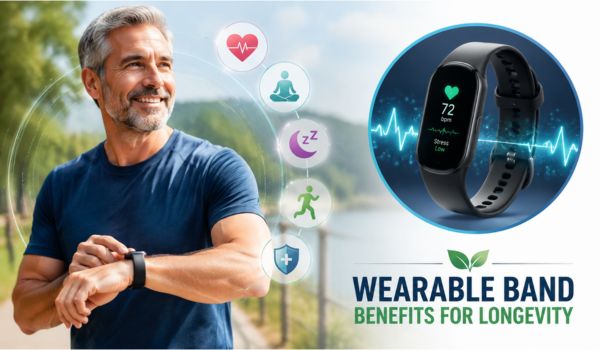
Our daily habits shape our long-term health far more than we often realize.
Small choices getting enough sleep, staying active, managing stress, and maintaining a healthy heart can have a significant impact on how well we age.
While no device can guarantee a longer lifespan, modern wearable health bands have become valuable tools for helping people understand their bodies and make healthier lifestyle decisions.
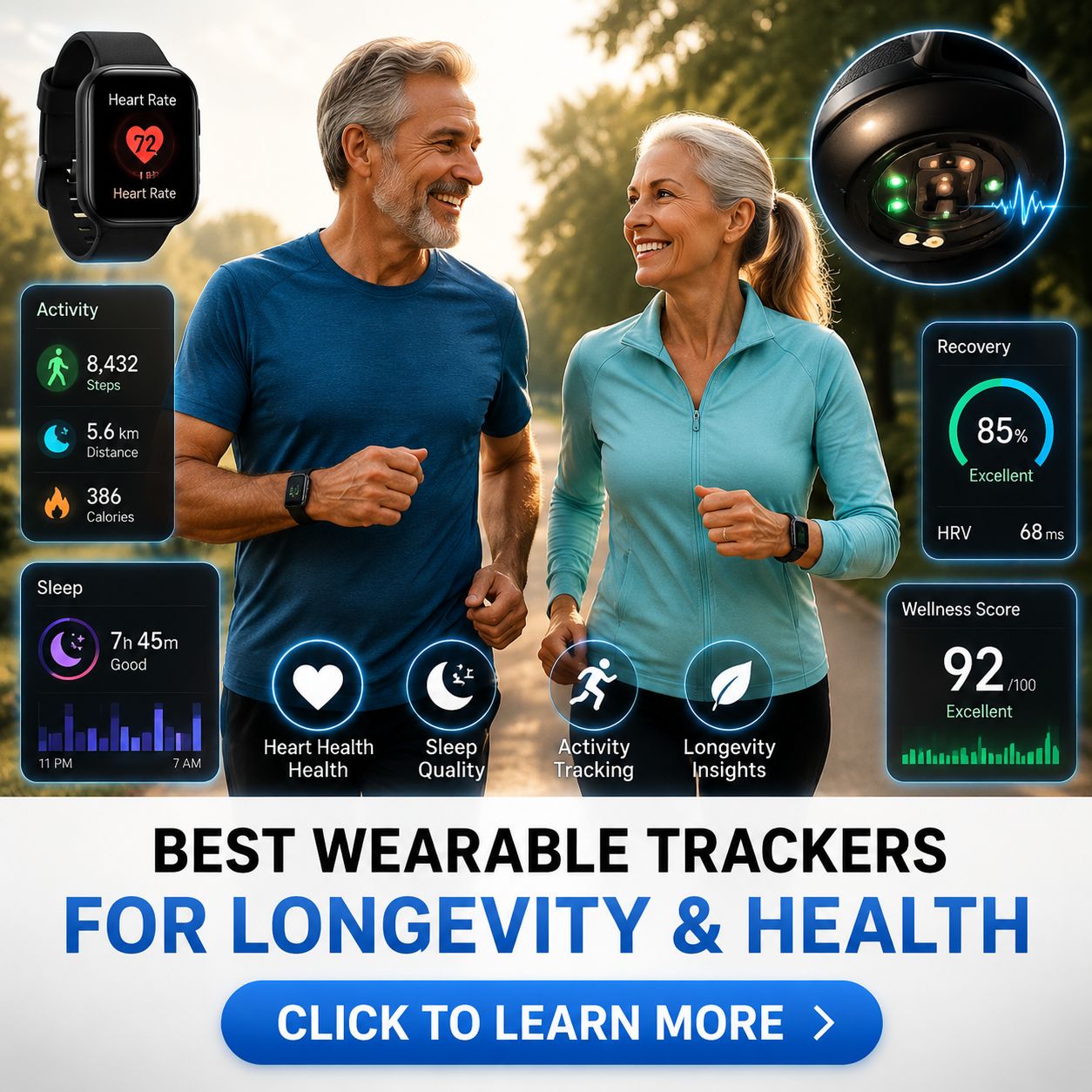
Wearable technology has evolved far beyond simple step counters. Today’s wearable bands can continuously monitor heart rate, sleep quality, physical activity, stress levels, blood oxygen trends, skin temperature, and recovery metrics.
This continuous stream of health information helps users identify patterns that may otherwise go unnoticed, allowing them to build healthier habits over time.
If your goal is healthy aging and improved longevity, understanding the benefits of wearable bands is an excellent place to start.
What Is a Wearable Health Band?
A wearable health band is a lightweight device worn on the wrist that uses advanced sensors to collect health and fitness data throughout the day and night.
Unlike traditional fitness trackers that primarily count steps, many modern wearable bands provide a comprehensive overview of your overall wellness.
Depending on the device, wearable bands may track:
- Daily activity and movement
- Heart rate
- Resting heart rate
- Heart rate variability (HRV)
- Sleep stages
- Blood oxygen (SpO₂)
- Skin temperature
- Calories burned
- Stress levels
- Recovery metrics
- Exercise performance
Most devices sync with a smartphone app, where users can review trends over weeks, months, or even years.
Rather than replacing healthcare professionals, wearable bands provide continuous health insights between doctor visits, helping users stay informed about their everyday health.
Why Longevity Matters?
Longevity isn’t simply about living longer it is about maintaining good health and independence as we age.
Researchers often distinguish between two important concepts:
- Lifespan: The total number of years a person lives.
- Healthspan: The number of years spent in good physical and mental health.
Many people now focus on improving their healthspan by reducing the risk of chronic diseases and maintaining physical function throughout life.
Healthy aging generally involves:
- Staying physically active
- Sleeping well
- Managing stress
- Eating nutritious foods
- Maintaining cardiovascular health
- Monitoring important health indicators
- Building consistent healthy habits
Wearable bands support many of these goals by providing continuous feedback that encourages healthier daily decisions.
How Wearable Bands Support Healthy Aging?
One of the greatest advantages of wearable technology is that it transforms invisible health data into actionable insights.
Instead of guessing whether you’re getting enough sleep or exercise, you can review objective information every day.
Here are several ways wearable bands may contribute to long-term wellness.
1. Encourages Regular Physical Activity
Physical inactivity is associated with increased risks of heart disease, diabetes, obesity, and other chronic conditions.
Most wearable bands track:
- Steps
- Walking distance
- Active minutes
- Exercise sessions
- Calories burned
Many devices also send reminders to stand or move after prolonged periods of inactivity.
These small prompts can help users become more active throughout the day rather than remaining sedentary for long stretches.
Consistent movement contributes to:
- Better cardiovascular health
- Improved circulation
- Stronger muscles
- Better balance
- Weight management
- Improved mood
Over months and years, these benefits may support healthier aging.
2. Helps Improve Sleep Quality
Sleep is one of the most overlooked pillars of longevity.
Poor sleep has been linked with:
- High blood pressure
- Obesity
- Diabetes
- Depression
- Reduced immune function
- Increased cardiovascular risk
Wearable bands can estimate:
- Total sleep duration
- Deep sleep
- Light sleep
- REM sleep
- Time awake
- Sleep consistency
Reviewing these trends can help users identify habits affecting sleep quality, such as late-night screen use, irregular schedules, or caffeine intake.
Improving sleep often leads to:
- Better energy
- Sharper thinking
- Improved mood
- Enhanced recovery
- Better metabolic health
Good sleep also supports healthy aging by allowing the body to repair and recover each night.
3. Monitors Heart Rate Throughout the Day
Heart health plays a central role in longevity.
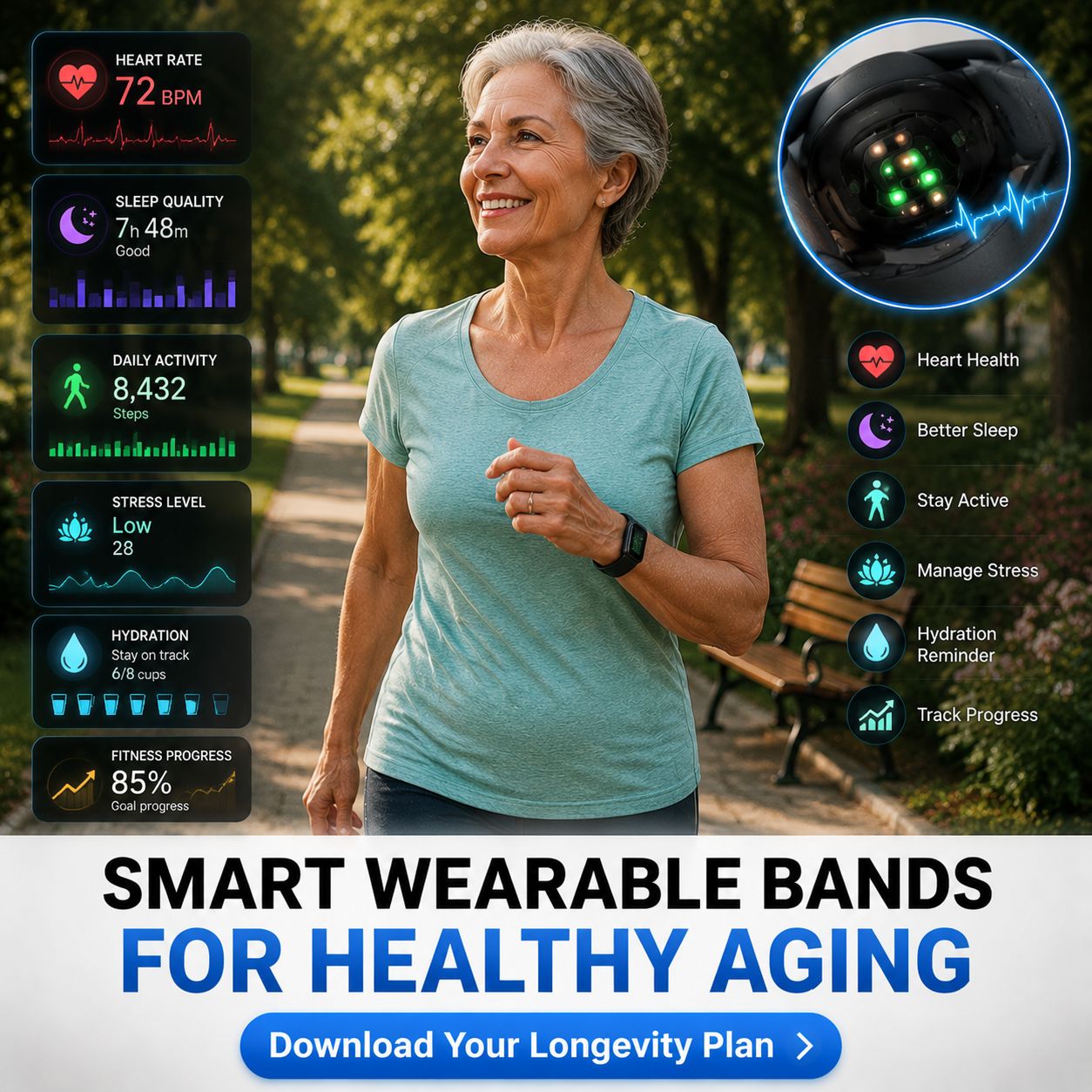
Wearable bands continuously measure heart rate during:
- Rest
- Walking
- Exercise
- Sleep
Monitoring resting heart rate over time may help users notice changes in fitness levels or recovery.
For example:
A gradual reduction in resting heart rate after consistent exercise may indicate improving cardiovascular fitness.
Conversely, a sudden unexplained increase in resting heart rate could signal illness, stress, poor sleep, or overtraining, prompting users to pay closer attention to their health.
While wearable bands are not diagnostic medical devices, they can encourage earlier conversations with healthcare providers if unusual trends appear.
4. Tracks Heart Rate Variability (HRV)
Heart Rate Variability (HRV) measures the variation between heartbeats.
Although many people have never heard of HRV, it has become one of the most valuable recovery metrics in wearable technology.
Generally speaking:
Higher HRV often reflects better recovery and adaptability.
Lower HRV may occur during:
- Illness
- Chronic stress
- Poor sleep
- Fatigue
- Intense exercise
Monitoring HRV over time may help users understand how lifestyle choices influence recovery and overall wellness.
5. Supports Better Stress Management
Chronic stress affects nearly every system in the body.
Long-term stress has been associated with:
- High blood pressure
- Poor sleep
- Weakened immunity
- Anxiety
- Depression
- Cardiovascular disease
Many wearable bands estimate stress levels using heart rate variability and other physiological signals.
Some devices even provide guided breathing exercises or mindfulness reminders when elevated stress is detected.
These small interventions encourage healthier responses to everyday stress and can support overall emotional well-being.
Promotes Consistency Through Daily Feedback
One of the biggest challenges in maintaining healthy habits is consistency.
Wearable bands help by offering:
- Daily activity goals
- Progress tracking
- Achievement badges
- Weekly summaries
- Personalized reminders
Seeing measurable progress can increase motivation and make healthy habits feel more rewarding.
Over time, these consistent behaviors not perfection may have the greatest impact on long-term health.
The Real Value of Long-Term Health Trends
Individual daily readings are helpful, but the true strength of wearable bands lies in tracking long-term trends.
By reviewing weeks or months of data, users can observe how changes in lifestyle influence their overall wellness.
For example:
- Did walking more improve resting heart rate?
- Did earlier bedtimes improve sleep quality?
- Did regular exercise reduce stress levels?
- Did better hydration improve recovery?
These insights allow users to make informed decisions and adjust their routines based on real-world feedback rather than guesswork.
Healthy aging is rarely the result of one dramatic change. Instead, it comes from consistently making better choices over time and wearable bands can help make those choices more visible and measurable.
While no wearable device can promise a longer life, it can serve as a practical companion for building healthier habits that support long-term well-being.
Key Health Metrics That Matter for Longevity
Modern wearable bands do much more than count steps. They collect health data that can help users better understand their overall wellness.
While these metrics are not intended to diagnose medical conditions, tracking them consistently may encourage healthier habits and more informed discussions with healthcare providers.
Daily Activity
One of the simplest yet most valuable measurements is daily movement. Physical activity plays a significant role in maintaining cardiovascular health, muscle strength, metabolic function, and mobility.
Most wearable bands measure:
- Steps taken
- Distance walked
- Active minutes
- Calories burned
- Exercise duration
Rather than focusing on a single day’s results, reviewing weekly and monthly activity trends can provide a more meaningful picture of overall lifestyle habits.
Resting Heart Rate (RHR)
Resting heart rate is the number of times your heart beats per minute while at complete rest. For many healthy adults, a lower resting heart rate often reflects better cardiovascular fitness.
Monitoring resting heart rate over time may help identify changes related to:
- Improved fitness
- Recovery after illness
- Stress
- Sleep quality
- Changes in exercise routines
Instead of reacting to one reading, it’s more useful to observe long-term patterns.
Heart Rate Variability (HRV)
Heart Rate Variability (HRV) refers to the variation in time between consecutive heartbeats. Although the heart appears to beat steadily, slight variations are normal and healthy.
Many wearable bands estimate HRV during sleep or periods of rest.
HRV may provide insights into:
- Recovery
- Stress levels
- Sleep quality
- Training readiness
- Overall physiological resilience
HRV values differ significantly between individuals, so comparing your current readings with your own historical trends is generally more meaningful than comparing with others.
Sleep Quality
Sleep is one of the strongest lifestyle factors associated with long-term health.
Wearable bands often estimate:
- Total sleep duration
- Sleep consistency
- Deep sleep
- Light sleep
- REM sleep
- Nighttime awakenings
These measurements can help users recognize habits that interfere with restorative sleep, such as irregular schedules or insufficient sleep duration.
Blood Oxygen Trends (SpO₂)
Some wearable bands estimate blood oxygen saturation using optical sensors.
Monitoring overnight SpO₂ trends may provide useful wellness information, especially for users interested in sleep quality and recovery.
However, wearable SpO₂ measurements should not replace medical-grade pulse oximeters or professional medical evaluation.
Skin Temperature Trends
Some advanced wearable bands monitor changes in skin temperature throughout the day and night.
While these readings are not intended to diagnose illness, temperature trends may reflect:
- Recovery
- Exercise adaptation
- Environmental influences
- Changes in sleep
Tracking these trends over time may provide additional context when combined with other health metrics.
Stress Monitoring
Many wearable devices estimate stress using physiological signals such as heart rate variability and heart rate.
Stress tracking may encourage users to:
- Practice relaxation techniques
- Improve sleep habits
- Reduce overtraining
- Schedule recovery days
- Build healthier routines
Several wearable bands also include guided breathing sessions and mindfulness exercises to help users manage daily stress.
How Wearable Bands Encourage Healthier Habits
The greatest value of wearable technology isn’t the data itself it’s how the data influences behavior.
Increased Awareness
Many people overestimate how active they are or how well they sleep.
Seeing objective measurements often motivates healthier choices.
For example:
Someone who believes they’re sleeping eight hours each night may discover they’re only getting six hours of quality sleep.
Similarly, someone with a sedentary job may realize they’re walking far fewer steps than expected.
This awareness is often the first step toward meaningful lifestyle improvements.
Personalized Goal Setting
Most wearable apps allow users to set goals based on their current activity levels.
Examples include:
- Walking 8,000 steps daily
- Sleeping at least seven hours
- Exercising four times per week
- Reducing prolonged sitting
- Completing daily breathing sessions
Achievable goals can improve motivation and help users develop sustainable habits.
Building Consistency
Long-term health improvements are usually the result of consistent behavior rather than occasional intense efforts.
Wearable bands reinforce consistency through:
- Daily reminders
- Progress charts
- Weekly summaries
- Achievement badges
- Habit streaks
These features encourage users to stay engaged with their health over time.
What Does Research Say About Wearable Health Devices?
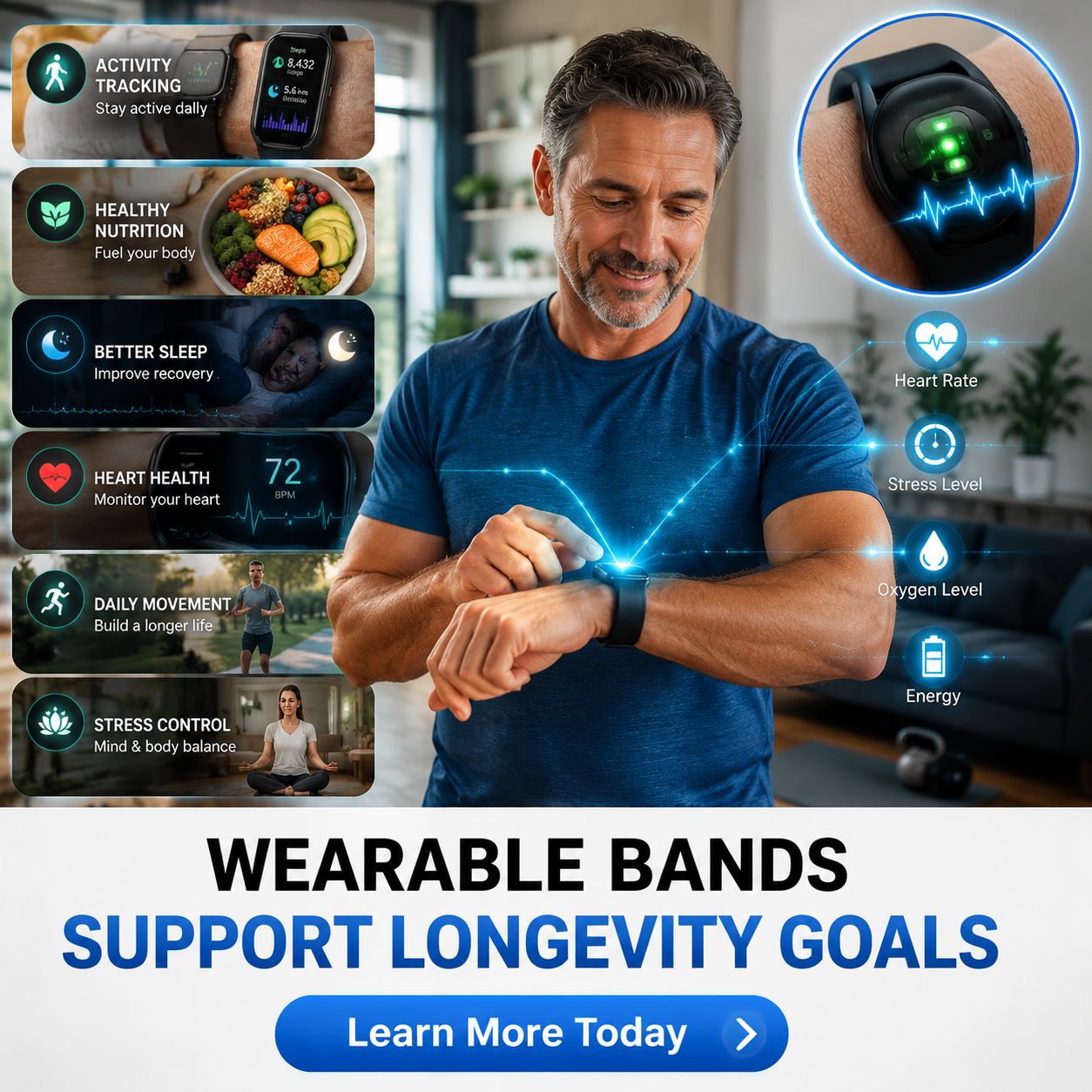
Growing research suggests that wearable devices can positively influence health behaviors by increasing awareness, encouraging physical activity, and improving self-monitoring.
Studies have found that wearable technology may help:
- Increase daily step counts
- Improve exercise adherence
- Support weight management
- Encourage better sleep routines
- Improve engagement with personal health
However, researchers also emphasize that wearable devices work best when combined with healthy lifestyle choices such as balanced nutrition, regular exercise, stress management, and preventive medical care.
A wearable band should be viewed as a supportive health tool rather than a replacement for professional healthcare.
Tips for Getting the Most from Your Wearable Band
To maximize the benefits of your wearable device, consider the following strategies:
Wear It Consistently
The more consistently you wear your band, the more complete your health data becomes.
Daily and overnight use allows the device to build accurate long-term trends.
Focus on Trends, Not Individual Numbers
One unusual reading rarely tells the full story.
Instead, pay attention to patterns over several weeks or months.
Long-term trends are generally more informative than isolated measurements.
Use the Data to Improve Habits
Avoid checking your health metrics out of curiosity alone.
Instead, ask practical questions such as:
- Am I sleeping enough?
- Am I becoming more active?
- Is my recovery improving?
- Do I need more rest?
- How does stress affect my sleep?
The answers can guide meaningful lifestyle changes.
Set Realistic Goals
Small improvements are often more sustainable than dramatic changes.
Examples include:
- Walking an extra 1,000 steps each day
- Going to bed 30 minutes earlier
- Taking short walking breaks during work
- Practicing five minutes of breathing exercises
These manageable adjustments can accumulate into significant long-term benefits.
Limitations of Wearable Bands
Despite their many advantages, wearable bands also have limitations.
Users should understand that:
- Sensor accuracy may vary between devices.
- Measurements are estimates rather than clinical diagnoses.
- Data quality depends on proper fit and consistent use.
- Algorithms differ between manufacturers.
- Environmental conditions may affect readings.
It’s also important to remember that wearable bands cannot detect every medical condition or replace routine medical examinations.
If a wearable device repeatedly shows unusual readings or if you experience symptoms such as chest pain, shortness of breath, fainting, or persistent dizziness you should seek evaluation from a qualified healthcare professional.
Who Can Benefit Most from a Wearable Band?
Wearable health bands can be useful for many different groups, including:
- Adults looking to build healthier daily habits
- Individuals beginning a fitness journey
- Older adults interested in monitoring activity and sleep
- Busy professionals managing stress
- Athletes tracking recovery and performance
- People working toward weight management goals
- Individuals interested in improving sleep quality
Because wearable bands provide continuous feedback, they can help users stay engaged with their health regardless of age or fitness level.
Ultimately, the greatest benefit comes not from the device itself, but from using its insights to make informed, consistent lifestyle choices that support long-term wellness and healthy aging.
How to Choose the Best Wearable Band for Longevity?
With so many wearable devices available, selecting the right one can feel overwhelming. The best wearable band for longevity isn’t necessarily the one with the most features it’s the one you’ll wear consistently and use to improve your daily habits.
When comparing wearable bands, consider the following factors:
Health Metrics
Look for devices that track several important wellness indicators, including:
- Daily activity
- Heart rate
- Resting heart rate
- Heart rate variability (HRV)
- Sleep quality
- Stress levels
- Blood oxygen (SpO₂) trends
- Skin temperature (if available)
Choose a device that focuses on long-term health insights rather than only workout performance.
Battery Life
A wearable band can only provide meaningful trends if you wear it regularly.
Long battery life reduces interruptions and increases the likelihood of collecting continuous health data, including overnight sleep tracking.
Comfort
Since wearable bands are designed for all-day and overnight use, comfort is essential. Lightweight, breathable materials often encourage consistent wear.
Mobile App Experience
The companion app should present your health information in an easy-to-understand format with clear graphs, personalized goals, and trend analysis.
Privacy and Security
Health data is personal. Review the manufacturer’s privacy policy and choose a company that provides transparent information about how your data is stored and used.
Common Myths About Wearable Bands
Myth 1: Wearable Bands Can Predict Your Lifespan
No wearable device can determine how long you will live.
Instead, wearable bands provide information about health behaviors and physiological trends that may help you make healthier lifestyle choices.
Myth 2: More Data Always Means Better Health
Collecting health data is useful only when it leads to positive action.
Rather than checking your numbers constantly, focus on building habits such as regular exercise, sufficient sleep, balanced nutrition, and stress management.
Myth 3: Wearable Bands Replace Doctor Visits
Wearable devices are not substitutes for medical evaluations.
Routine check-ups, preventive screenings, and professional medical advice remain essential parts of maintaining long-term health.
Myth 4: One Bad Reading Means Something Is Wrong
Daily fluctuations are normal.
Factors such as stress, travel, poor sleep, illness, or strenuous exercise can temporarily affect heart rate, HRV, sleep, or recovery metrics.
Focus on long-term trends rather than isolated measurements.
Practical Tips for Using a Wearable Band Every Day
To get the most value from your wearable band:
- Wear it consistently, including during sleep if recommended by the manufacturer.
- Review weekly or monthly trends instead of reacting to a single day’s data.
- Set achievable goals, such as increasing daily steps or improving sleep consistency.
- Use reminders to reduce prolonged sitting and encourage movement.
- Pair wearable insights with healthy eating, hydration, and regular physical activity.
- Discuss persistent or unusual health trends with your healthcare provider.
Remember, the device is a tool it supports healthier decisions, but your daily habits ultimately shape your long-term health.
Final Thoughts
Healthy aging is built on consistent, evidence-based habits rather than quick fixes. Wearable bands offer a practical way to monitor daily behaviors, recognize long-term trends, and stay motivated to make healthier choices.
Whether you’re aiming to become more active, improve sleep quality, better understand stress, or simply gain greater awareness of your overall wellness, a wearable band can be a valuable companion on your health journey.
It’s important to remember that no wearable device can guarantee a longer life or prevent disease on its own. Lasting improvements in longevity come from combining regular physical activity, nutritious eating, quality sleep, stress management, preventive healthcare, and informed lifestyle decisions.
When used thoughtfully, wearable bands can transform health data into meaningful action helping you build sustainable habits that support a healthier, more active, and potentially longer life.
.
.
.