Stem Cell Therapy for Neuropathy: Benefits & Research!
Stem Cell Therapy for Neuropathy – (🔥ADVANCED REGENERATIVE SUPPORT!) Supports nerve repair research, cellular regeneration, and inflammation management.
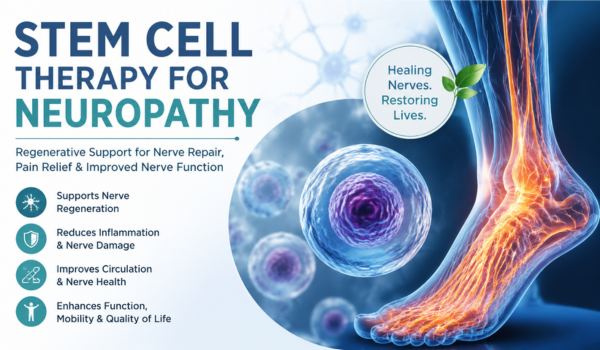

Neuropathy is a condition that affects millions of people worldwide and occurs when nerves outside the brain and spinal cord become damaged or irritated.
This nerve damage can lead to symptoms such as numbness, tingling, burning sensations, weakness, and chronic discomfort, especially in the hands and feet.
While traditional treatments often focus on managing symptoms, many people are exploring newer approaches, including stem cell therapy for neuropathy, as a potential option for supporting nerve repair and improving quality of life.
Stem cell therapy has gained attention because of its regenerative properties and ability to support the body’s natural healing processes.
Researchers are studying how different types of stem cells may help repair damaged tissues, reduce inflammation, and encourage healthier nerve function.
Although research is ongoing, this innovative field continues to generate interest among individuals looking for advanced approaches to neuropathy management.
Understanding how stem cell therapy works, its potential benefits, limitations, safety considerations, and current research can help people make informed decisions about whether this treatment option may be suitable for their needs.
What Is Stem Cell Therapy for Neuropathy?
Stem cell therapy for neuropathy is a regenerative medicine approach that uses specialized cells with the potential to support tissue repair and healing.
Stem cells have unique abilities because they can develop into different cell types and release biological signals that may encourage repair processes within the body.
For individuals with neuropathy, the goal of stem cell therapy is not simply to mask symptoms but to potentially address some underlying factors contributing to nerve damage.
Damaged nerves may struggle to transmit signals properly, leading to pain, reduced sensation, and other uncomfortable symptoms.
Researchers believe stem cells may help by supporting nerve regeneration, improving the environment around damaged nerves, and reducing inflammatory responses that can interfere with healing.
Neuropathy can develop from several causes, including diabetes, chemotherapy treatments, injuries, nutritional deficiencies, autoimmune conditions, and certain medications.
Because each person’s condition is different, treatment decisions should be based on a thorough medical evaluation.
How Does Stem Cell Therapy Work for Neuropathy?
Stem cell therapy works by introducing regenerative cells into the body with the goal of supporting natural repair mechanisms.
These cells may release growth factors and signaling molecules that influence tissue recovery and cellular communication.
In neuropathy cases, researchers are investigating whether stem cells can help create a healthier environment for damaged nerves. Some proposed mechanisms include:
- Supporting nerve tissue repair
- Encouraging new cell growth
- Helping regulate inflammation
- Improving communication between nerve cells
- Supporting blood flow around affected areas
Healthy nerve function depends on proper communication between nerves and the rest of the body.
When nerves become damaged, signals may become disrupted, causing sensations such as burning, tingling, or numbness.
Stem cells may have the ability to support the body’s repair pathways, but they are not considered a guaranteed cure for neuropathy.
More clinical research is needed to fully understand their effectiveness, long-term outcomes, and ideal treatment methods.
What Causes Neuropathy?
Understanding the cause of neuropathy is important because treatment approaches may depend on the underlying condition. Some common causes include:
Diabetic Neuropathy
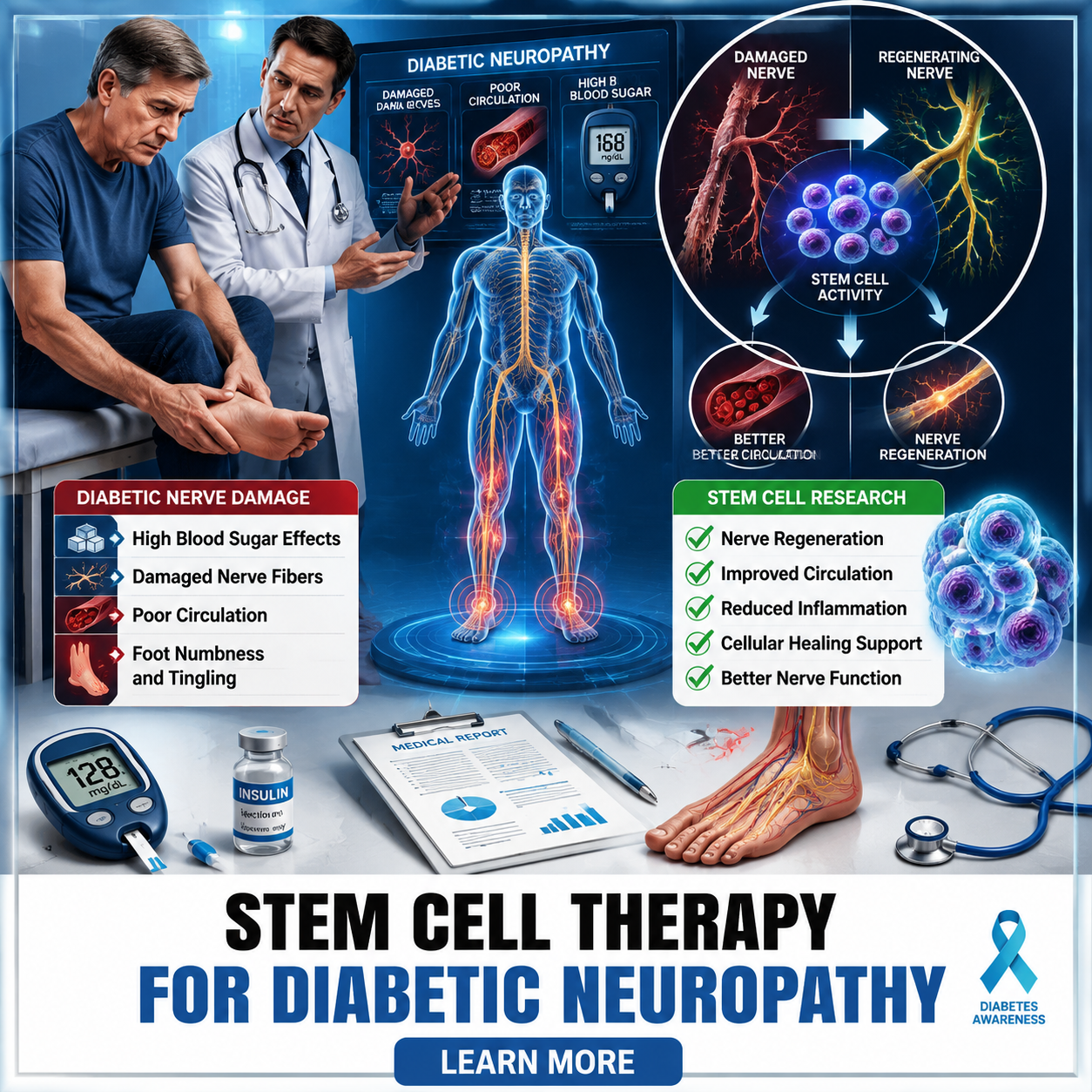
Diabetes is one of the most common causes of peripheral neuropathy. Long-term elevated blood sugar levels can damage small blood vessels that supply nerves, affecting their ability to function properly.
People with diabetic neuropathy may experience:
- Burning pain in the feet
- Tingling sensations
- Loss of feeling
- Increased sensitivity
- Balance difficulties
Managing blood sugar levels is an important part of reducing further nerve damage.
Chemotherapy-Induced Neuropathy
- Some cancer treatments can affect healthy nerves along with cancer cells. Chemotherapy-induced peripheral neuropathy may cause numbness, weakness, and pain in the hands and feet.
- Researchers are exploring regenerative therapies, including stem cell approaches, to determine whether damaged nerves may be supported after treatment-related injury.
Injury-Related Neuropathy
- Physical injuries, accidents, or nerve compression can damage nerve pathways. Depending on the severity of the injury, symptoms may range from mild tingling to significant loss of sensation.
Autoimmune-Related Neuropathy
- Certain autoimmune conditions can cause the immune system to mistakenly attack nerve tissues. In these situations, controlling inflammation and immune activity is often an important part of treatment.
Nutritional Deficiencies
- Low levels of certain nutrients, especially those involved in nerve function, may contribute to nerve damage. Addressing deficiencies may help improve symptoms in some individuals.
Potential Benefits of Stem Cell Therapy for Neuropathy
Many people are interested in stem cell therapy because of its regenerative potential. While research continues, several possible benefits are being investigated.
- May Support Nerve Repair: One of the primary reasons stem cells are being studied for neuropathy is their potential ability to support nerve regeneration. Damaged nerves may require assistance to rebuild connections and improve communication.
- May Help Reduce Inflammation: Chronic inflammation can contribute to nerve damage and discomfort. Stem cells may influence inflammatory responses, potentially creating a more supportive environment for healing.
- May Improve Nerve Function: Some research suggests regenerative therapies may help improve nerve signaling. Better nerve communication may contribute to improved sensation and mobility.
- May Support Pain Management: Neuropathy-related pain can significantly affect daily activities. Some individuals exploring regenerative treatments hope to reduce discomfort and improve overall function.
- May Improve Quality of Life: When neuropathy symptoms interfere with walking, sleep, exercise, or daily routines, improving nerve health may help individuals regain confidence and independence.
Types of Stem Cells Used in Neuropathy Research
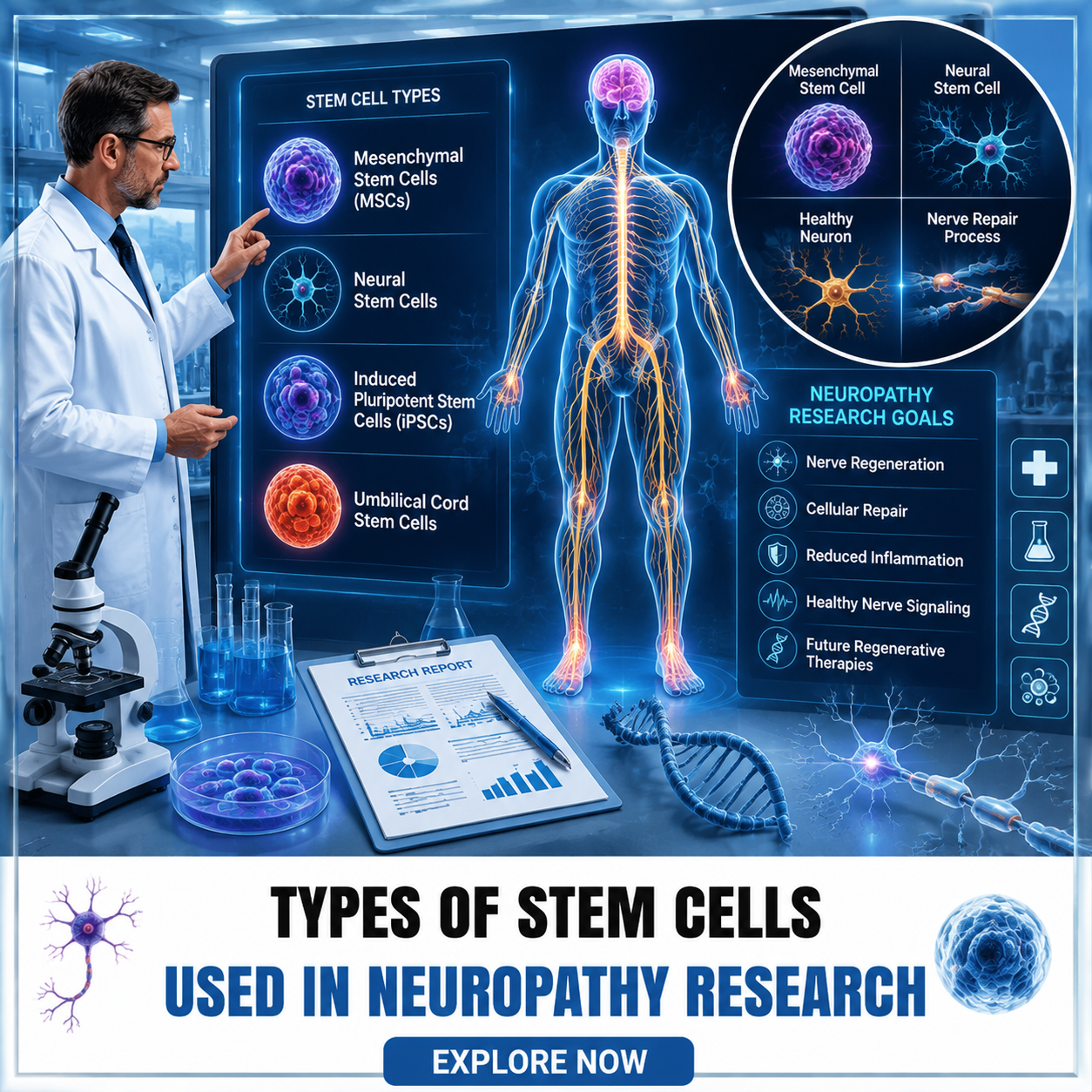
Different types of stem cells are being studied for regenerative medicine applications. Each type has unique characteristics.
Stem cell research for neuropathy focuses on different types of regenerative cells that may support nerve repair, reduce inflammation, and improve the environment around damaged nerves.
Each type of stem cell has unique properties that researchers are studying for potential applications in nerve health and recovery.
Mesenchymal Stem Cells (MSCs)
- Mesenchymal stem cells are among the most widely studied cells in regenerative medicine. They may support tissue repair by releasing growth factors and signaling molecules that help create a supportive environment for damaged nerves.
Adult Stem Cells
- Adult stem cells are naturally found in various tissues throughout the body and play a role in maintenance and repair. Researchers are exploring how these cells may contribute to restoring nerve function and supporting damaged nerve pathways.
Induced Pluripotent Stem Cells (iPSCs)
- Induced pluripotent stem cells are created by reprogramming adult cells into a stem cell-like state. Scientists use them to study nerve development, understand neuropathy mechanisms, and explore future regenerative treatment possibilities.
Neural Stem Cells
- Neural stem cells can develop into different types of nerve-related cells. Research is examining whether they may help support nerve regeneration and improve communication between damaged nerve cells.
Hematopoietic Stem Cells
- Hematopoietic stem cells are primarily associated with blood cell production but are also being studied for their potential role in immune regulation and tissue repair processes related to certain nerve conditions.
Is Stem Cell Therapy Effective for Neuropathy?
The effectiveness of stem cell therapy for neuropathy remains an area of active research. Some studies have shown promising results, while others indicate that more evidence is needed before it becomes a widely accepted treatment option.
Results may depend on several factors, including:
- Type of neuropathy
- Severity of nerve damage
- Duration of symptoms
- Overall health
- The treatment method used
Some individuals report improvements in pain levels, sensation, and mobility after regenerative treatments. However, experiences vary, and not everyone may experience the same outcomes.
Patients should carefully review available research and discuss options with qualified healthcare professionals before considering treatment.
Who May Consider Stem Cell Therapy for Neuropathy?
Stem cell therapy may be considered by individuals who:
- Have persistent neuropathy symptoms
- Have not achieved sufficient relief from traditional approaches
- Are interested in regenerative medicine options
- Have discussed treatment possibilities with a healthcare provider
A medical evaluation is important because neuropathy can have many causes. Identifying the source of nerve damage helps determine the most appropriate treatment strategy.
Risks and Safety Considerations
Like any medical treatment, stem cell therapy may involve potential risks. Safety depends on factors such as the source of stem cells, treatment procedures, provider experience, and individual health conditions.
Possible considerations may include:
- Infection risk
- Immune reactions
- Treatment-related discomfort
- Uncertain long-term outcomes
- Variable effectiveness
People considering stem cell therapy should seek care from qualified medical professionals and avoid treatments that make unrealistic promises.
It is also important to understand that regenerative medicine is still developing. While research is encouraging, stem cell therapy should be viewed as an emerging treatment area rather than a guaranteed solution.
Stem Cell Therapy vs Traditional Neuropathy Treatments
Traditional neuropathy treatments typically focus on controlling symptoms and preventing additional nerve damage. Common approaches may include:
- Managing underlying health conditions
- Physical therapy
- Lifestyle changes
- Prescription medications for nerve discomfort
- Nutritional support when deficiencies exist
Stem cell therapy takes a different approach by focusing on potential regeneration and repair. Instead of only managing symptoms, regenerative medicine aims to support the body’s natural healing processes.
However, traditional treatments remain important and may be combined with newer approaches depending on individual needs.
Lifestyle Strategies That Support Nerve Health
Final Thoughts
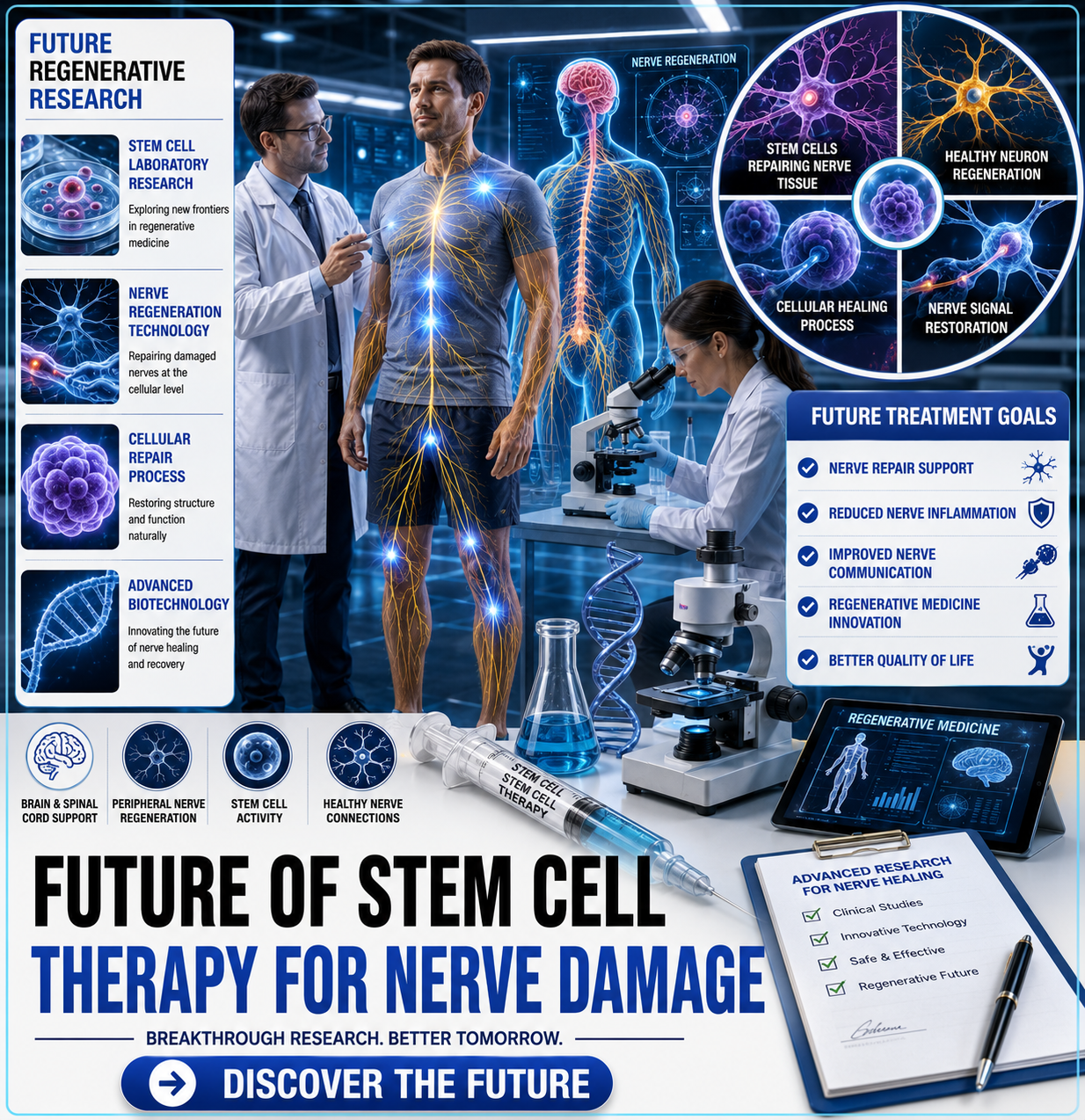
Stem cell therapy for neuropathy represents an exciting area of regenerative medicine focused on supporting nerve repair and improving nerve function.
While early research has shown potential benefits, more studies are needed to fully understand its effectiveness, safety, and long-term outcomes.
For individuals living with neuropathy symptoms, exploring treatment options with a qualified healthcare provider can help determine the most appropriate approach.
Traditional therapies, lifestyle changes, and emerging regenerative treatments may all play a role in supporting nerve health.
As research continues, stem cell therapy may become a valuable option for certain individuals seeking advanced solutions for nerve-related conditions.
Staying informed and making decisions based on reliable medical guidance is the best way to approach neuropathy care.
.
.
.