Hume Band vs Google Fit – Which One is Worth It?
Hume Band vs Google Fit compares recovery tracking, sleep insights, health features, and overall wellness monitoring.
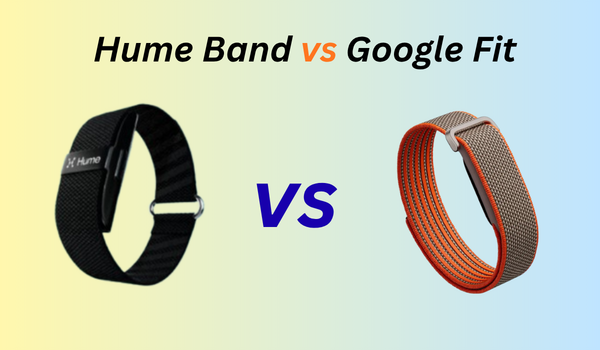
Hume Band vs Google Fit is a comparison between two health-focused solutions designed to support better wellness and fitness tracking.
Hume Band is a screen-free wearable that continuously monitors HRV, heart rate, SpO₂, sleep quality, stress, recovery, and provides insights into metabolic health through the Hume Health app.
Google Fit, on the other hand, is a fitness app that tracks daily activity, workouts, heart points, and health goals using your smartphone or compatible devices.
Comparing their features, tracking capabilities, battery needs, and overall experience helps users choose the option that best fits their lifestyle.
Hume Band vs Google Fit
| Feature | Hume Band | Google Fit |
|---|---|---|
| Rating | 4.8/5 | 4.6/5 |
| Activity Features | Recovery scores, HRV tracking, sleep monitoring, stress tracking, strain insights, Metabolic Momentum, and Metabolic Capacity for long-term wellness tracking | Step tracking, activity monitoring, workout tracking, Heart Points, Move Minutes, calorie tracking, and fitness goal management |
| Weight | Lightweight screen-free design (8.6g) for comfortable 24/7 wear | No dedicated hardware weight; works through smartphones and compatible fitness wearables |
| Battery Life | Up to 7 days with continuous health monitoring | Depends on the connected smartphone or wearable device battery life |
| GPS | ❌ No built-in GPS functionality | ❌ No built-in GPS; uses connected smartphone or compatible wearable GPS |
| Mobile App | Hume Health App | Google Fit App |
| Subscription Cost | None required for core health tracking features | Free to use with no subscription required for basic fitness tracking features |
| Price Range | $199–$249 (Click Here) | Free app; compatible wearable devices may vary in price (Example: GA11551-US $129.99) |
| What We Liked | • Advanced recovery and wellness insights• Unique metabolic health metrics• Lightweight screen-free design• Comfortable for 24/7 wear and sleep tracking• Personalized health recommendations• No subscription required | • Free and easy to use• Tracks daily activity and workouts• Heart Points and Move Minutes encourage fitness goals• Works with many compatible devices• Simple health data management• Available on Android and iOS |
| What We Didn’t Like | • No built-in GPS functionality• Limited smartwatch features• No display for notifications or apps• Not designed for advanced sports tracking | • Limited advanced recovery metrics• No dedicated wearable hardware• Health insights depend on connected devices• No metabolic health tracking• Accuracy varies by device integration |
Hume Band is best for users seeking advanced health tracking, recovery insights, sleep monitoring, metabolic metrics, and comfortable 24/7 wellness monitoring.
Hume Band vs Google Fit – Quick Overview
What is Hume Band?
Hume Band is a lightweight, screen-free health wearable designed to provide continuous tracking of wellness and recovery.
It monitors key health metrics, including heart rate variability (HRV), heart rate, SpO₂, sleep quality, stress levels, daily strain, and recovery scores.
The companion Hume Health app also delivers unique metabolic insights, such as Metabolic Momentum and Metabolic Capacity, helping users understand their long-term health trends.
With up to 7 days of battery life and no constant notifications, Hume Band focuses on personalized health insights and building healthier daily habits.
What is Google Fit?
Google Fit is a health and fitness app developed by Google to help users monitor their daily activity, exercise, and overall wellness.
It tracks steps, distance, calories burned, workouts, and activity goals using a smartphone or compatible wearable devices.
The app uses metrics such as Heart Points and Move Minutes to encourage healthier habits and regular physical activity.
Google Fit also integrates with many fitness devices and health apps, allowing users to view their health data in one place, set goals, and monitor their progress over time.
Hume Band vs Google Fit – Features
Hume Band Features
- Advanced Recovery Tracking – Continuously monitors HRV, resting heart rate, sleep quality, recovery scores, and daily strain to help measure overall recovery and readiness.
- Metabolic Health Insights – Provides Metabolic Momentum and Metabolic Capacity metrics through the Hume Health app for long-term wellness tracking.
- Sleep Monitoring – Tracks sleep duration, quality, nighttime biometrics, and recovery patterns, and offers personalized insights for sleep improvement.
- Stress Tracking – Monitors stress-related biometric changes throughout the day to help users recognize patterns and improve daily wellbeing.
- Personalized Health Recommendations – Analyzes health data and delivers actionable insights through the Hume Health app for healthier lifestyle habits.
- Lightweight Screen-Free Design – Weighing just 8.6g, it offers comfortable 24/7 wear for continuous health tracking without screen distractions.
Google Fit Features
- Activity Tracking – Tracks daily steps, distance traveled, calories burned, and active minutes to help users stay consistent with fitness goals.
- Heart Points & Move Minutes – Uses activity-based metrics to encourage moderate and vigorous exercise for maintaining a healthy lifestyle.
- Workout Recording – Automatically or manually records activities like walking, running, cycling, and other supported workouts for progress tracking.
- Health Data Integration – Syncs with compatible smartwatches, fitness trackers, and health apps to display health information in one place.
- Goal Setting – Allows users to create personalized activity goals and monitor daily, weekly, and monthly progress through simple reports.
- Android & iOS Compatibility – Works across Android and iPhone devices, making it easy to track health data regardless of your smartphone platform.

Hume Band vs Google Fit – Benefits
Hume Band Benefits
- Improves Health Awareness – Tracks HRV, sleep, stress, and recovery to help users better understand their overall wellness.
- Supports Long-Term Wellness – Metabolic insights encourage healthier habits and sustainable lifestyle improvements over time.
- Enhances Sleep Quality – Provides detailed sleep tracking and recovery insights for better rest and improved daily energy.
- Encourages Better Recovery – Recovery scores and strain tracking help balance activity, exercise, and rest more effectively.
- Comfortable 24/7 Wear – Lightweight, screen-free design makes it easy to wear all day and night.
- Personalized Guidance – Hume Health app delivers simple recommendations based on your health and wellness data.
Google Fit Benefits
- Promotes Daily Activity – Encourages users to stay active by tracking steps, workouts, and movement throughout the day.
- Supports Fitness Goals – Heart Points and Move Minutes motivate regular exercise and healthier daily routines.
- Easy Progress Tracking – Displays activity history and achievements to help users stay consistent with fitness goals.
- Works Across Devices – Syncs with compatible wearables and health apps for convenient health data management.
- Simple to Use – Clean interface makes it easy to view activity, workouts, and overall fitness progress.
- Flexible Fitness Tracking – Supports multiple workout types, making it suitable for beginners and active users alike.
Hume Band vs Google Fit – Pros & Cons
Hume Band Pros & Cons
| Pros | Cons |
|---|---|
| Lightweight 8.6g screen-free design | No built-in GPS |
| Advanced recovery tracking | Limited workout tracking |
| Tracks HRV, sleep, and stress | |
| Up to 7 days battery life | |
| Unique metabolic health insights | |
| No subscription for core features |
Google Fit Pros & Cons
| Pros | Cons |
|---|---|
| Free to use with Google account | Requires phone or compatible device |
| Tracks steps and daily activity | No dedicated wearable hardware |
| Supports many workout types | |
| Syncs with many fitness apps | |
| Works on Android and iOS | |
| Easy goal and progress tracking |
Hume Band vs Google Fit – Price Details
Hume Band Price Details
Hume Band is a mid-premium health wearable designed for users who want advanced wellness, recovery, and longevity tracking without a subscription requirement.
Its price generally ranges from $199 to $249, depending on availability and promotions.
The device offers features like HRV monitoring, sleep analysis, stress tracking, recovery insights, and metabolic health metrics, making it a valuable option for users focused on long-term health improvement.
✅ Get Hume Band at the Lowest Price Today!
Google Fit Price Details
Google Fit is available as a free health and fitness tracking app, but compatible wearable devices may come with additional costs.
The Google Fit-compatible device model GA11551-US is priced at $129.99, with flexible payment options available, including 4 payments of $32.50 each.
It provides users with convenient fitness tracking features, including activity monitoring, health data tracking, and integration with supported devices for a better wellness experience.
✅ Get Google Fit at the Lowest Price Today!
Hume Band vs Google Fit – Battery Life
Hume Band Battery Life
Hume Band offers up to 7 days of battery life on a single charge, making it suitable for continuous health and wellness monitoring.
Its screen-free design helps reduce power consumption while enabling uninterrupted tracking of key metrics, including HRV, heart rate, SpO₂, sleep patterns, stress levels, recovery scores, and daily health trends.
The extended battery performance allows users to wear the device comfortably throughout the day and night, supporting long-term data collection and personalized insights through the Hume Health app without frequent charging interruptions.
Google Fit Battery Life
Google Fit does not have its own battery life because it is a health and fitness application rather than a dedicated wearable device.
Battery usage depends on the smartphone or connected fitness tracker used with the app.
When paired with compatible wearables, Google Fit can collect activity, workout, and health data throughout the day.
The overall battery experience depends on the connected device’s capacity, features, and usage patterns, making it flexible but device-dependent.
Hume Band vs Google Fit – Which One is Worth It?
Choosing between the Hume Band and Google Fit depends on your health-tracking needs and lifestyle goals.
Hume Band is worth considering for users seeking continuous wellness monitoring, advanced recovery insights, sleep tracking, stress analysis, and metabolic health information via a dedicated wearable.
Its lightweight, screen-free design and long battery life make it suitable for 24/7 health tracking.
Google Fit is a better choice for users looking for a free, simple way to monitor daily activity, workouts, steps, and fitness goals on a smartphone or compatible device.
If you prioritize advanced health insights and personalized recommendations, Hume Band offers more features, while Google Fit is ideal for basic fitness tracking without extra cost.
Conclusion
Hume Band and Google Fit are both useful tools for improving health awareness, but they are designed for different types of users.
Hume Band stands out as a dedicated health wearable focused on advanced wellness tracking, including HRV monitoring, sleep analysis, stress tracking, recovery scores, and metabolic health insights.
Its lightweight screen-free design and up to 7 days of battery life make it a convenient option for continuous 24/7 monitoring.
Google Fit is a simple and accessible fitness app that helps users track daily activity, workouts, steps, and fitness goals without additional cost.
For users seeking deeper health insights and personalized recommendations, Hume Band is the better choice. However, those who only need basic fitness tracking may find Google Fit more suitable.
 Click To Learn More About Hume Band
.
.
.