How to Get Zepbound Without Insurance? Cost & Options Guide
Zepbound without insurance: learn cash-pay options, savings programs, telehealth access, and ways to lower treatment costs.
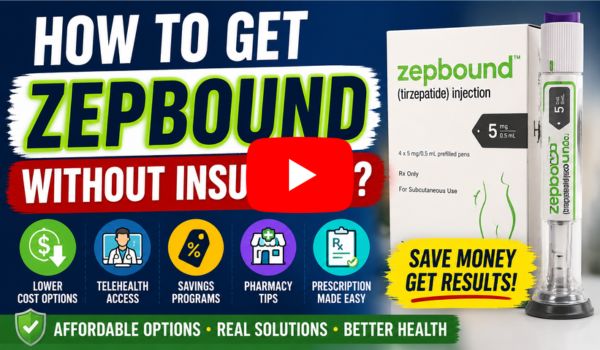

Access to modern weight management treatments has expanded significantly in recent years, especially with medications like Zepbound becoming available for adults with obesity or weight-related health conditions.
However, one of the biggest challenges many patients face is cost, particularly for those without insurance coverage.
Zepbound is not a low-cost medication. Without insurance, monthly expenses can feel overwhelming, often leading people to ask: Is it even possible to get Zepbound without insurance?
The short answer is yes, but it requires understanding available savings programs, pharmacy options, and healthcare pathways.
This guide breaks down everything you need to know about accessing Zepbound without insurance in a clear, practical, and realistic way.
Whether you are exploring telehealth services, manufacturer discounts, or cash-pay options, this article will help you confidently navigate your choices.
What Is Zepbound?
Zepbound is a prescription medication developed for chronic weight management in adults with obesity or overweight conditions accompanied by at least one weight-related health issue, such as high blood pressure, type 2 diabetes, or high cholesterol.
It belongs to a class of medications known as GLP-1 and GIP receptor agonists. These compounds work by influencing appetite regulation, digestion speed, and insulin response.
In simpler terms, Zepbound helps suppress hunger signals and promote a feeling of fullness, making it easier for individuals to cut back on calorie intake.
Unlike over-the-counter weight loss products, Zepbound is clinically studied and prescribed under medical supervision. That means access always requires a licensed healthcare provider—even if you are paying out of pocket.
Because of its effectiveness and demand, the medication can be expensive without insurance coverage, so understanding cost-saving strategies is essential.
Why Insurance Matters for Zepbound?
Insurance coverage plays a major role in determining how affordable Zepbound becomes.
When covered, patients may only pay a copay or a percentage of the total cost. Without insurance, however, individuals often face full retail pricing.
Several factors influence insurance approval:
- Body Mass Index (BMI) requirements: Insurance often requires a BMI threshold (usually ≥30 or ≥27 with certain conditions) to approve Zepbound coverage.
- Presence of metabolic conditions: Coverage may depend on related conditions like type 2 diabetes, hypertension, or high cholesterol, increasing medical necessity.
- Prior authorization requirements: Doctors must submit documentation demonstrating medical necessity before approval, often including medical history, diagnosis, and prior weight-loss attempts.
- Step therapy (trying other medications first): Some insurers require patients to try cheaper weight-loss drugs or lifestyle programs before approving Zepbound.
- Employer– or plan-specific exclusions: Some insurance plans exclude weight-loss medications entirely under employer policies, limiting coverage regardless of medical need.
Unfortunately, not all insurance plans currently cover Zepbound for weight loss treatment. Even when they do, approval is not guaranteed.
This is why many patients explore alternative access pathways when paying out of pocket.
How Much Does Zepbound Cost Without Insurance?
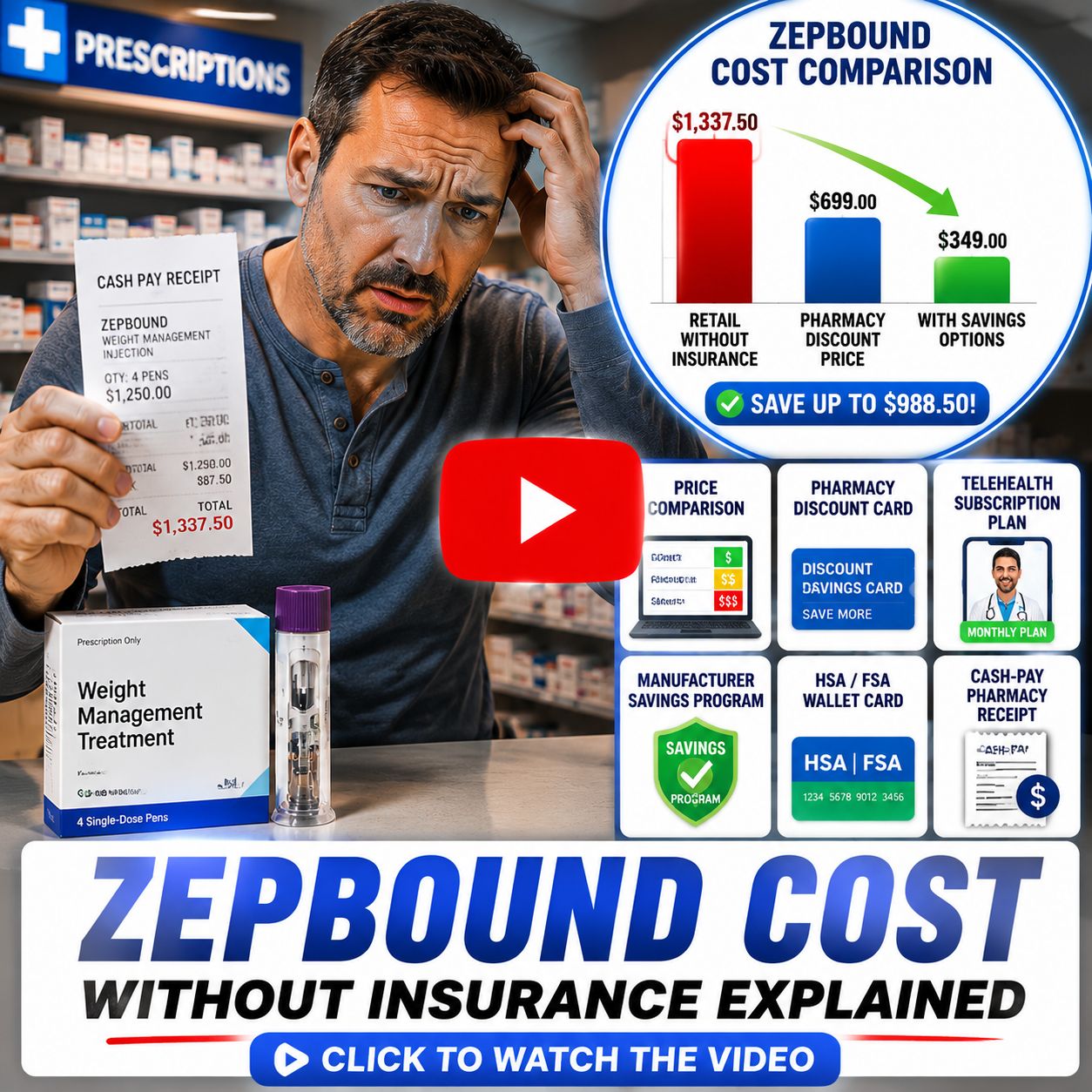
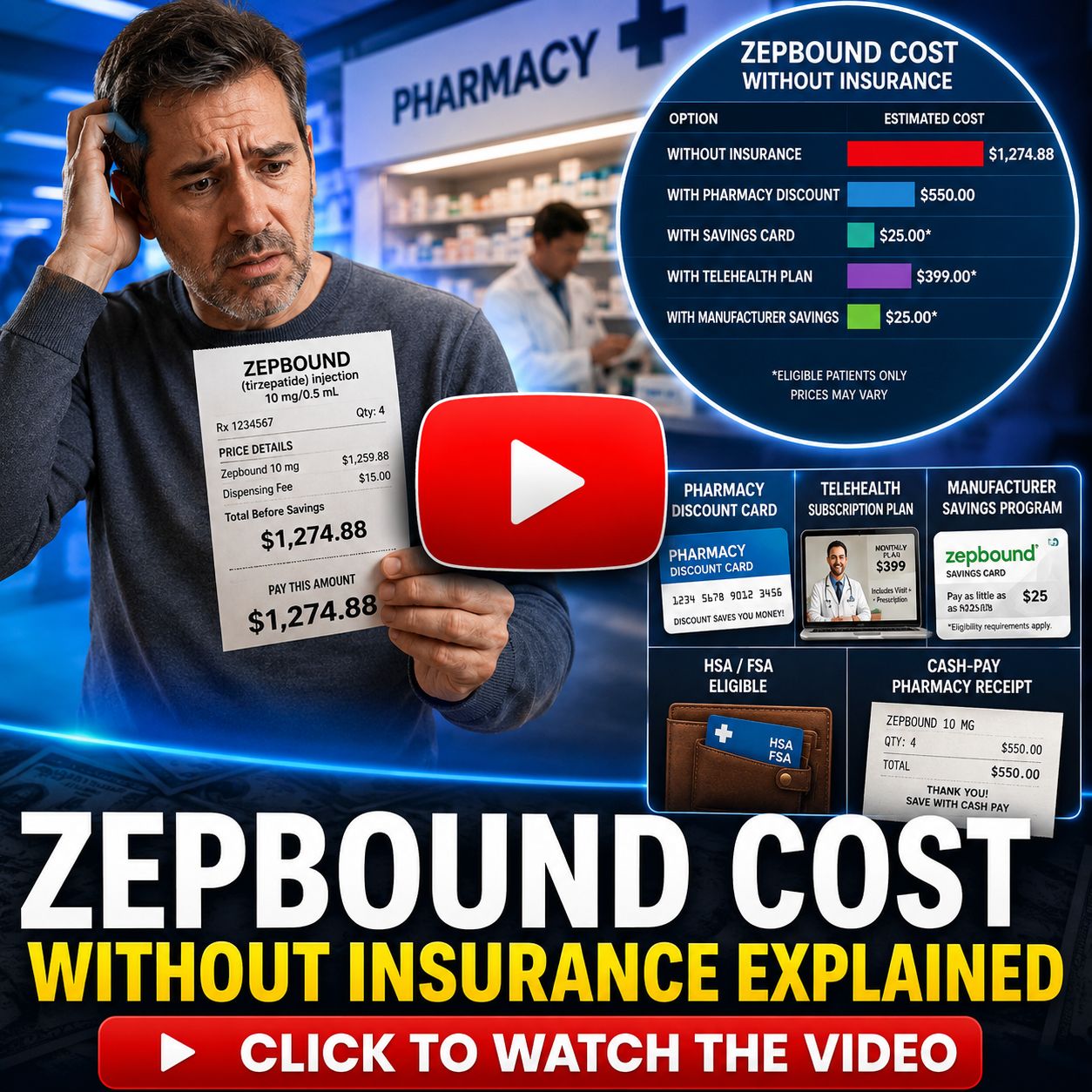
The retail cost of Zepbound without insurance typically ranges from several hundred to over $1,000 per month, depending on dosage and pharmacy pricing.
Higher doses generally cost more, and prices may vary between:
Because pricing is not standardized, it is important to compare multiple sources before purchasing.
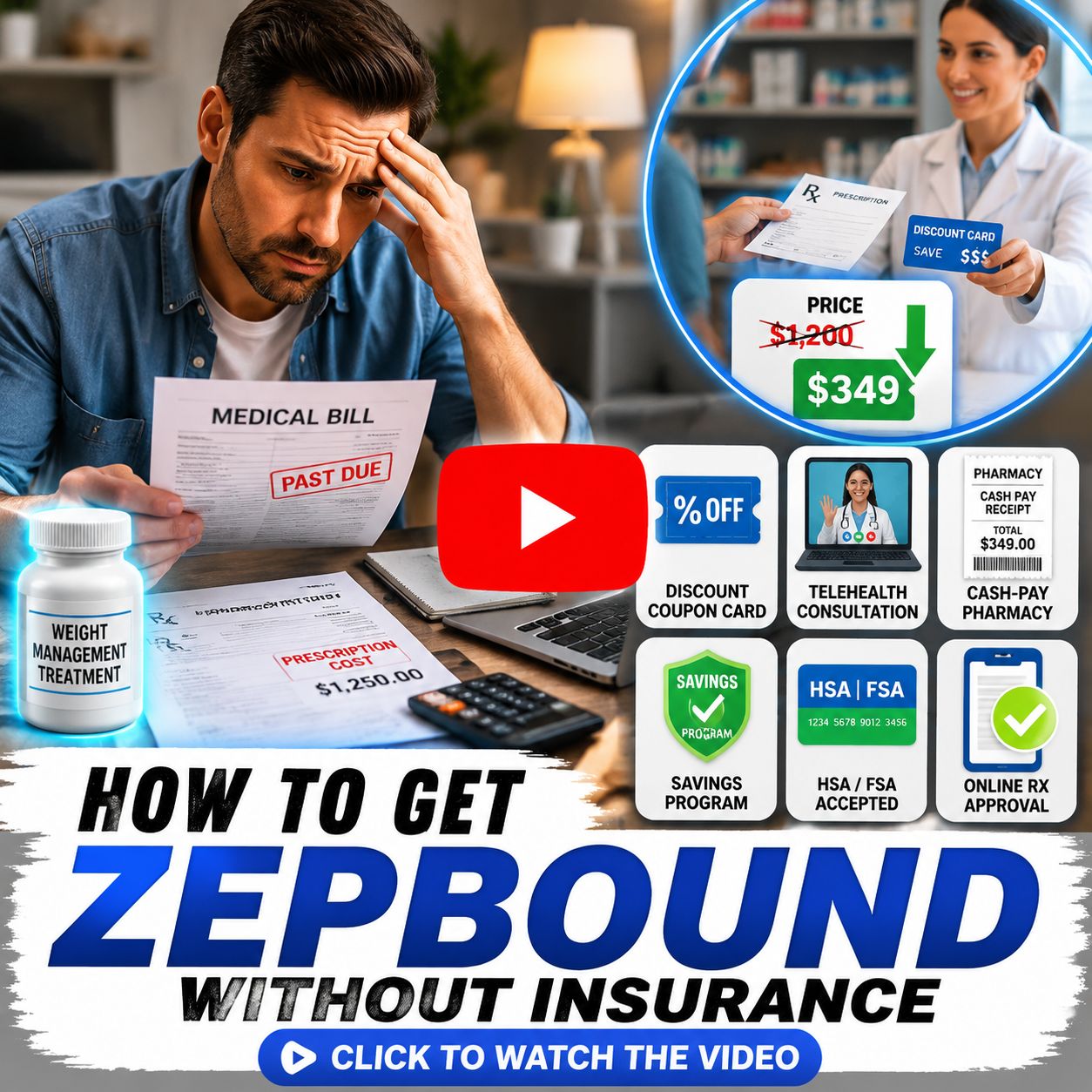
Option 1: Manufacturer Savings Programs
One of the most important ways to reduce costs is through manufacturer-supported savings. The company behind Zepbound, Eli Lilly, often provides savings cards or discount programs for eligible patients.
These programs may:
- Reduce monthly out-of-pocket costs significantly
- Offer fixed pricing for insured and uninsured patients (depending on eligibility)
- Require commercial insurance in some cases, but occasionally offer cash-pay assistance promotions
While eligibility rules can vary, it is always worth checking the official manufacturer website or asking your healthcare provider.
Even without insurance, some patients may still qualify for partial savings depending on program updates.
Option 2: Telehealth Clinics and Online Prescriptions
Telehealth has become one of the most popular ways to access weight management medications like Zepbound without insurance.
Many licensed online clinics offer:
- Virtual consultations with healthcare providers
- Prescription issuance if medically appropriate
- Direct-to-home medication delivery
- Monthly membership pricing instead of per-visit billing
This model is especially useful for uninsured patients because it bundles care and prescription management into a predictable monthly cost.
However, pricing varies widely between platforms, so it is important to compare services carefully.
Option 3: Cash-Pay Pharmacies
Cash-pay pharmacies allow patients to purchase medications directly without using insurance. This can sometimes be more affordable depending on discounts or pharmacy pricing agreements.
Steps typically include:
- Getting a valid prescription from a licensed provider
- Comparing pharmacy prices locally and online
- Asking about discount programs or cash-pay rates
- Filling the prescription at the lowest-cost provider
Some pharmacies also offer membership discount cards that reduce the price of chronic medications.
For Zepbound, pricing differences between pharmacies can be significant, so comparison shopping is essential.
Option 4: Prescription Discount Cards
Prescription discount cards are another option for reducing out-of-pocket costs. These are not insurance but function as negotiated discount programs with pharmacies.
They may:
- Reduce the retail price by a percentage
- Be used even without insurance
- Be available as free digital cards or mobile apps
- Work at participating pharmacies nationwide
While savings vary, they can sometimes reduce costs by 10%–40%, depending on location and pharmacy agreements.
Option 5: HSA and FSA Accounts
If you have access to a Health Savings Account (HSA) or Flexible Spending Account (FSA), you may be able to use pre-tax funds to pay for Zepbound.
Benefits include:
- Reduced effective cost due to tax savings
- Easy use with debit-style HSA/FSA cards
- Eligibility for prescription medications prescribed by a provider
This does not lower the sticker price directly, but it significantly reduces financial burden over time.
Option 6: Patient Assistance Programs
Patient assistance programs are designed to help individuals who cannot afford prescription medications. While availability for Zepbound may vary, these programs typically consider:
- Household income
- Insurance status
- Medical necessity
- Financial hardship documentation
Some programs are run by pharmaceutical companies, while others are supported by nonprofit organizations.
Approval is not guaranteed, but applying is often free and worth exploring.
Option 7: Compounding Pharmacies (Important Caution)
Some patients explore compounded versions of tirzepatide through specialized pharmacies when branded medications are unaffordable.
Compounded medications are:
- Custom-prepared formulations made by licensed compounding pharmacies
- Not FDA-approved in the same way as branded drugs
- Sometimes used during supply shortages or cost barriers
Important considerations:
- Quality and consistency may vary
- Not all formulations are equivalent to brand-name Zepbound
- Should only be used under strict medical supervision
Always consult a licensed healthcare provider before considering compounded alternatives.
Step-by-Step Guide: How to Get Zepbound Without Insurance
If you are starting from scratch, here is a simplified pathway:
Step 1: Consult a Healthcare Provider
You must first get evaluated for medical eligibility. This can be done through a doctor or a telehealth service.
Step 2: Obtain a Prescription
If you qualify after a medical evaluation, your healthcare provider will issue a prescription for Zepbound.
This prescription confirms your eligibility and allows you to fill the medication at a pharmacy, a telehealth service, or an approved dispensing provider.
Step 3: Compare Pricing Options
Check:
- Local pharmacies
- Online pharmacies
- Telehealth programs
- Discount platforms
Step 4: Apply Savings Programs
Look for:
- Manufacturer discounts
- Prescription coupons
- HSA/FSA usage
Step 5: Choose the Most Affordable Option
Select the pharmacy or program that offers the best combination of price, convenience, and reliability.
Tips to Lower Your Out-of-Pocket Cost
Here are practical strategies that can make a real difference:
Compare multiple pharmacies:
Prices for Zepbound can vary widely between pharmacies, so always check several local and online options to find the lowest cash price before purchasing.
Ask for 90-day supplies:
Requesting a 90-day prescription may reduce the overall monthly cost, as many pharmacies offer discounted pricing for larger fills than for 30-day supplies.
Use digital coupons:
Online coupons and pharmacy discount cards can instantly lower your out-of-pocket cost at checkout, sometimes saving a significant percentage on each prescription.
Check telehealth bundles:
Some telehealth services bundle doctor visits, prescriptions, and medications together, offering a more predictable monthly price than paying separately.
Stay updated on promotions:
Manufacturers and pharmacies occasionally offer savings programs or limited-time discounts, so checking regularly can help you access lower-priced options.
Common Mistakes to Avoid
Many uninsured patients make avoidable mistakes when trying to access Zepbound:
Paying full retail price without comparison:
Paying the listed retail price without checking alternatives can lead to significantly higher costs, as pharmacies often have very different pricing for the same medication.
Not checking eligibility for savings programs:
Many patients miss out on manufacturer discounts or assistance programs simply because they do not check eligibility, resulting in unnecessarily high out-of-pocket expenses.
Using unverified online pharmacies:
Purchasing from unverified or questionable online sources can be risky, leading to counterfeit medication, incorrect dosing, or unsafe products that may harm your health.
Skipping medical consultation:
Avoiding a proper medical evaluation can result in inappropriate use of medication, missed eligibility criteria, or unsafe treatment without professional supervision.
Assuming insurance is the only discount option:
Many people mistakenly believe that insurance is the only way to save money, overlooking coupons, cash-pay discounts, telehealth bundles, and manufacturer savings programs.
Avoiding these mistakes can save hundreds or even thousands of dollars annually.
Who Should Consider Zepbound Without Insurance?
Patients who may benefit from exploring uninsured access options include:
- Adults with obesity (BMI ≥30)
- Adults with BMI ≥27 plus weight-related conditions
- Individuals who are medically eligible but uninsured
- Patients whose insurance denies coverage
- People seeking structured medical weight management support
However, it is important that use is guided by a licensed healthcare provider.
Is It Worth Paying Out of Pocket?
Conclusion
Getting access to Zepbound without insurance is absolutely possible, but it requires strategy, research, and awareness of available cost-saving options.
From manufacturer savings programs and telehealth services to cash-pay pharmacies and prescription discount cards, there are multiple pathways to make treatment more affordable.
The key is not to rely on a single option but to compare several routes to find the most cost-effective solution for your situation.
While cost can be a barrier, many patients successfully manage expenses by combining these strategies and working closely with healthcare providers. With the right approach, uninsured access to Zepbound can still be realistic and manageable.
If you are considering this treatment, take time to explore each option carefully and choose the path that best aligns with your health needs and budget.
.
.
.