Cheapest Glp-1 Without Insurance – 2026 Cost Guide Explained
Cheapest GLP-1 without insurance, explained clearly, covering low-cost options, savings programs, and affordable weight-loss treatments.
GLP-1 receptor agonists have quickly become one of the most talked-about medical treatments for weight loss and metabolic health.
Medications such as semaglutide and tirzepatide are widely used because they help regulate appetite, improve blood sugar control, and support long-term weight management.
However, one major barrier continues to affect millions of people: the cost of care without insurance.
For many patients in the United States and globally, insurance either does not cover GLP-1 medications for weight loss or provides only partial coverage under strict medical conditions.
As a result, individuals are left searching for the cheapest GLP-1 without insurance while trying to balance safety, effectiveness, and affordability.
This guide explains everything you need to know about pricing, available options, and strategies to reduce costs in 2026—based on real-world market trends.
What Are GLP-1 Medications?
GLP-1 medications (Glucagon-Like Peptide-1 receptor agonists) are a class of drugs originally developed for the treatment of type 2 diabetes. They mimic a natural hormone in the body that regulates:
- Appetite and hunger signals
- Blood sugar levels
- Gastric emptying (how fast food leaves the stomach)
- Insulin response after meals
Over time, researchers discovered that these medications also support significant weight loss, which led to their approval for obesity treatment.
Common GLP-1 medications include:
- Semaglutide-based treatments
- Tirzepatide-based treatments
- Oral and injectable formulations
While highly effective, the biggest challenge remains accessibility due to high cost.
Why GLP-1 Medications Are So Expensive Without Insurance?
Understanding pricing helps explain why people search for cheaper alternatives.
Without insurance, GLP-1 medications are expensive because of:
- High Research and Development Costs – Pharmaceutical companies spend billions on clinical trials, FDA approval processes, and long-term safety research, which significantly increases final drug pricing.
- Brand Exclusivity – Medications like Wegovy and Zepbound are under patent protection, preventing generic competition and allowing manufacturers to maintain higher market prices.
- Supply Chain and Manufacturing Costs – GLP-1 drugs require complex biologic production, strict temperature control, and advanced facilities, all of which increase manufacturing and distribution expenses.
- Pharmacy and Distribution Markups – Wholesalers, pharmacy benefit managers, and retail pharmacies add layered markups, which collectively raise the final out-of-pocket price for patients.
- High Demand – Global demand for GLP-1 medications has increased rapidly due to weight-loss benefits, creating supply pressure and driving overall market prices higher.
Average GLP-1 Costs Without Insurance
Here is a realistic breakdown of current pricing trends in 2026:
Brand-Name GLP-1 Medications
- Semaglutide injections (Wegovy/Ozempic): $900 – $1,350/month
- Tirzepatide injections (Zepbound/Mounjaro): $1,000 – $1,300/month
- Oral semaglutide: $800 – $950/month
These prices reflect full retail cash-pay costs.
Manufacturer Direct Programs (Cash Pay)
Some pharmaceutical companies now offer direct-to-consumer pricing:
- Semaglutide programs: ~$499/month
- Tirzepatide vial programs: ~$349 – $499/month
These reduce cost significantly but still remain expensive for many users.
Compounded GLP-1 Options (Lowest Cost Range)
Compounded versions are typically the cheapest GLP-1 without insurance:
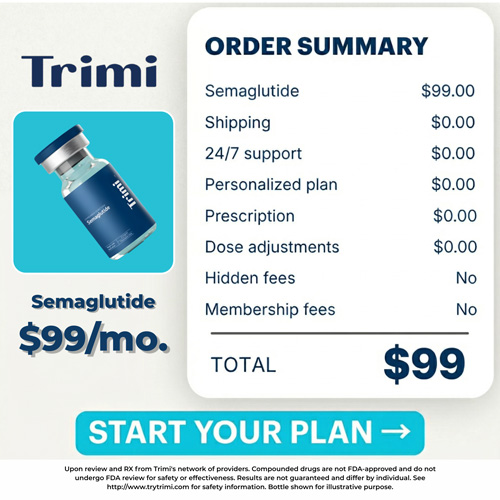
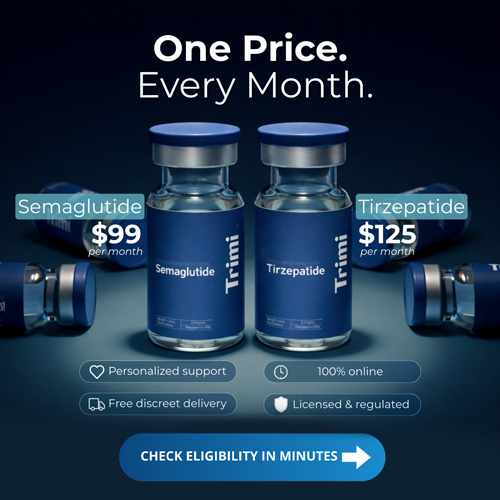
- Compounded semaglutide: $99 – $350/month
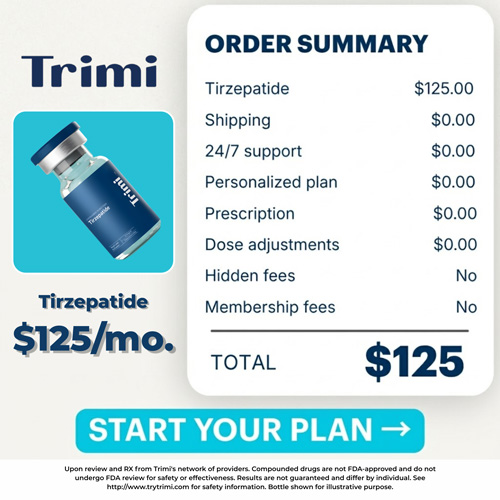
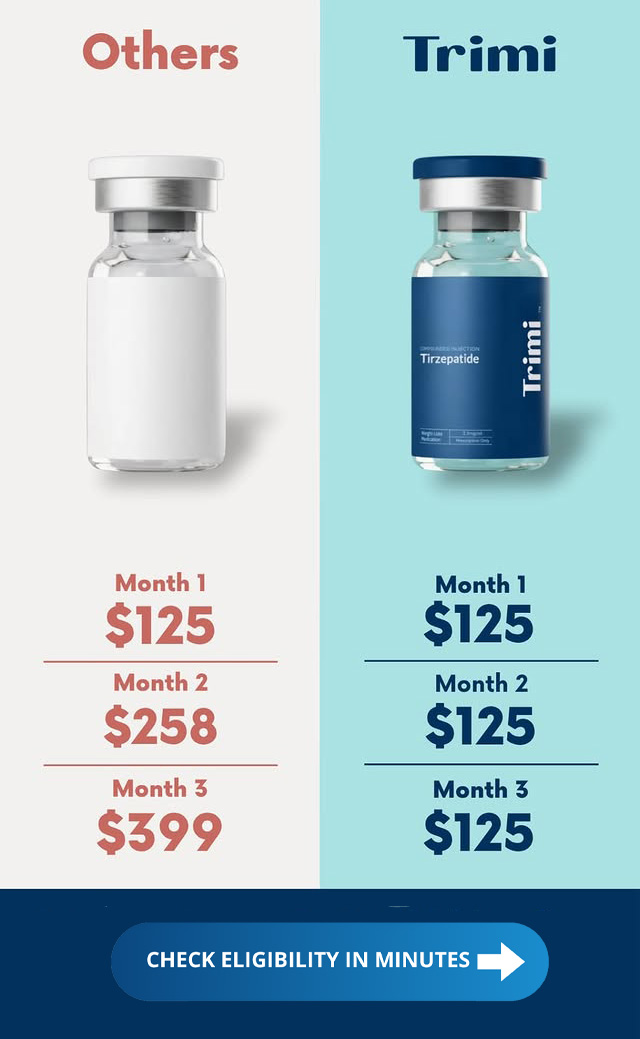
- Compounded tirzepatide: $200 – $500/month
These are prepared by licensed compounding pharmacies and offered through telehealth platforms.
Important: Compounded medications are not FDA-approved finished products but are legally prescribed in certain clinical situations.
Cheapest GLP-1 Without Insurance: What Actually Costs the Least?
Based on 2026 pricing trends, the lowest-cost GLP-1 options generally fall into three categories:
Compounded Semaglutide (Lowest Overall Cost)
This is currently the cheapest GLP-1 option available without insurance, often starting around $99–$200 per month.
Why it’s cheaper:
- No brand markup
- Made by compounding pharmacies
- Telehealth-based distribution
Benefits:
- Lowest monthly cost
- Easy access via online clinics
- Flexible dosing programs
Compounded Tirzepatide (Mid-Range Option)
Slightly more expensive than semaglutide but often more effective for weight loss.
Typical cost:
- $200 – $500/month
Why people choose it:
- Stronger appetite suppression
- Higher average weight loss results in studies
- Better metabolic response for some patients
Manufacturer Direct Self-Pay Programs
These are brand-name drugs sold directly without insurance.
Typical cost:
- $349 – $499/month
Benefits:
- FDA-approved medications
- Reliable supply chain
- Known clinical safety profile
Comparison: Cheapest GLP-1 Options Without Insurance
| Option | Monthly Cost | Approval Status | Effectiveness |
|---|---|---|---|
| Compounded Semaglutide | $99–$350 | Not FDA-approved (compounded) | Moderate–High |
| Compounded Tirzepatide | $200–$500 | Not FDA-approved (compounded) | High |
| Brand Direct Programs | $349–$499 | FDA-approved | High |
| Retail Brand Name | $900–$1,350 | FDA-approved | High |
Are Cheaper GLP-1 Options Safe?
Safety depends on where and how the medication is obtained.
Generally safer options:
Higher risk options:
Unregulated online sellers – Risky sellers outside medical regulation offering GLP-1 products with unknown safety, purity, and no quality checks.
“Research peptide” websites – Non-medical peptide sites selling experimental GLP-1 substances not approved for human use or clinical supervision.
No-prescription sources – Sources selling GLP-1 without a prescription, often unsafe, illegal, and lacking verified medical oversight or dosing control.
Medical supervision is essential regardless of cost level.
How to Reduce GLP-1 Costs Without Insurance?
If you are trying to find the cheapest GLP-1 without insurance, here are practical strategies:
Use Telehealth Providers
Many telehealth platforms bundle doctor consultations, prescriptions, and home delivery into a single package. This reduces extra clinic and pharmacy charges, making GLP-1 therapy more affordable and easier to access for patients without insurance coverage.
Choose Compounded Versions (If Appropriate)
Compounded GLP-1 medications are often the lowest-cost legal option available. They are prepared by licensed pharmacies and prescribed by telehealth providers, offering similar effects at a significantly lower monthly cost than brand-name drugs.
Start With Lower Doses
Many GLP-1 programs begin with lower starting doses to reduce initial costs and side effects. Patients gradually increase the dosage over time, which helps manage expenses while allowing the body to adjust safely as treatment progresses.
Compare Monthly Subscription Plans
Different providers offer subscription-based pricing with fixed monthly costs. These plans often include consultations, prescriptions, and medication delivery, helping patients avoid hidden fees and better control long-term GLP-1 treatment expenses.
Check Manufacturer Savings Programs
Pharmaceutical companies sometimes provide savings cards, discounts, or self-pay programs for brand-name GLP-1 medications. These programs can significantly reduce monthly costs for eligible patients without insurance coverage.
Who Should Consider GLP-1 Therapy?
GLP-1 medications are generally considered for individuals who:
However, eligibility must be determined by a licensed healthcare provider.
Important Risks and Considerations
Even though GLP-1 medications are effective, they may cause:
Nausea or digestive discomfort – GLP-1 medications may cause nausea, bloating, or mild stomach upset, especially during the first few weeks as the body adjusts to changes in digestion and appetite regulation.
Reduced appetite leading to low calorie intake – These medications significantly reduce hunger, which can sometimes lead to very low calorie intake, requiring careful monitoring of nutrition and balanced eating habits.
Fatigue in early treatment stages – Some users may experience fatigue or low energy during the initial treatment phases as the body adapts to metabolic and hormonal changes that affect appetite and digestion.
Possible gallbladder-related issues in rare cases – In rare situations, rapid weight loss from GLP-1 use may increase the risk of gallbladder issues such as gallstones, requiring medical supervision and symptom monitoring.
Medical supervision ensures safe dosage adjustments and monitoring.
Future of GLP-1 Pricing (2026 and Beyond)
The GLP-1 market is rapidly evolving.
Expected trends include:
Increased competition lowering prices
As more pharmaceutical companies enter the GLP-1 market, competition is expected to intensify, gradually reducing prices and improving affordability for patients without insurance coverage.
Expansion of oral GLP-1 medications – New oral GLP-1 options are being developed, offering easier use than injections. Increased availability may improve access and eventually reduce overall treatment costs for patients globally.
More telehealth-based affordability programs – Telehealth providers are expanding low-cost subscription plans that include consultations, prescriptions, and delivery, making GLP-1 therapy more accessible without traditional clinic expenses.
Potential insurance expansion in obesity treatment – Insurance coverage for obesity treatment is slowly increasing, which may include GLP-1 medications in the future, significantly lowering out-of-pocket costs for eligible patients.
Experts predict continued downward pressure on pricing as demand grows.
Final Thoughts
Finding the cheapest GLP-1 without insurance requires balancing cost, safety, and effectiveness.
While brand-name medications remain expensive, alternative pathways such as compounded semaglutide and direct telehealth programs have made treatment more accessible.
For most patients in 2026:
- The lowest-cost option is compounded semaglutide
- The most balanced option is compounded tirzepatide
- The safest FDA-approved option is manufacturer-direct pricing
Ultimately, the best choice depends on individual health needs, budget, and medical guidance.
Always consult a licensed healthcare provider before starting any GLP-1 therapy.
.
.
.