Glp 1 For Sleep Apnea – Benefits, Research & Treatment Options
GLP-1 for Sleep Apnea – (😴Weight Loss & Better Sleep!). Learn how GLP-1 may help reduce sleep apnea symptoms, benefits, and treatment options.
Sleep apnea is one of the most common sleep disorders worldwide, affecting millions of adults and significantly impacting overall health.
While treatments such as Continuous Positive Airway Pressure (CPAP) therapy remain the standard approach, many people are searching for additional ways to improve their condition. One treatment that has gained attention is GLP-1 medication.
Originally developed to help manage type 2 diabetes, GLP-1 receptor agonists are now widely prescribed for weight loss.

Since excess body weight is a major risk factor for obstructive sleep apnea (OSA), researchers have been studying whether these medications can also help reduce the severity of sleep apnea.
So, can GLP-1 medications improve sleep apnea? The answer is promising but depends on several factors, including the cause of your sleep apnea, your body weight, and your overall health.
In this guide, we’ll explain how GLP-1 medications work, what current research shows, their benefits, potential side effects, and whether they might be the right option for you.
What Is GLP-1?
GLP-1 stands for Glucagon-Like Peptide-1, a naturally occurring hormone produced in the intestines after eating. This hormone helps regulate blood sugar levels and appetite by communicating with the brain and pancreas.
GLP-1 receptor agonists are medications designed to mimic this natural hormone. They:
- Help control blood sugar levels.
- Slow stomach emptying, helping you feel full longer.
- Reduce appetite and food cravings.
- Support gradual, sustainable weight loss.
- Improve insulin sensitivity.
Because obesity is one of the strongest risk factors for obstructive sleep apnea, the weight-loss effects of GLP-1 medications have made them an area of growing interest for sleep specialists.
Some commonly prescribed GLP-1 medications include:
- Semaglutide
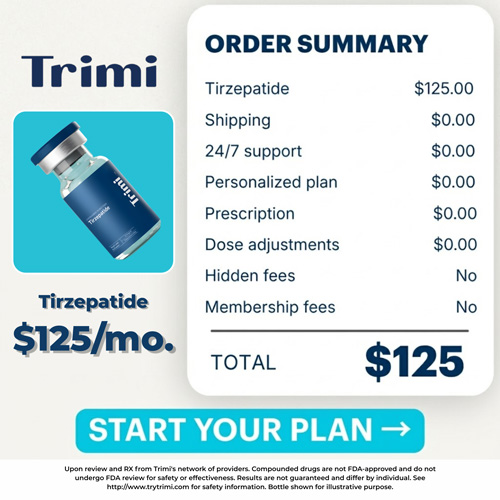
- Tirzepatide (dual GIP/GLP-1 receptor agonist)
- Liraglutide
- Dulaglutide
Although these medications were not originally developed to treat sleep apnea directly, weight loss may help reduce airway obstruction during sleep.
What Is Sleep Apnea?
Sleep apnea is a sleep disorder in which breathing repeatedly stops and starts during sleep. These pauses may last from a few seconds to over a minute and can occur dozens or even hundreds of times each night.
The three main types of sleep apnea are:
Obstructive Sleep Apnea (OSA)
This is the most common form and occurs when the muscles in the throat relax too much, causing the airway to become blocked during sleep.
Central Sleep Apnea (CSA)
This less common type occurs when the brain temporarily fails to send proper signals to the muscles responsible for breathing.
Complex Sleep Apnea Syndrome
Also known as treatment-emergent central sleep apnea, this condition combines features of both obstructive and central sleep apnea.
Among these, GLP-1 medications are mainly being studied for obstructive sleep apnea, particularly in individuals who are overweight or obese
Symptoms of Sleep Apnea
Many people with sleep apnea don’t realize they have the condition because the breathing interruptions occur while they’re asleep.
Common symptoms include:
- Loud snoring
- Gasping or choking during sleep
- Morning headaches
- Excessive daytime sleepiness
- Difficulty concentrating
- Dry mouth upon waking
- Irritability
- Poor memory
- Fatigue despite a full night’s sleep
- Restless sleep
If left untreated, sleep apnea can increase the risk of high blood pressure, heart disease, stroke, diabetes, and other serious health conditions.
How Excess Weight Contributes to Sleep Apnea?
Obesity is one of the biggest risk factors for obstructive sleep apnea.
Extra fat around the neck, tongue, and upper airway can narrow the breathing passages, making them more likely to collapse while sleeping. Fat stored around the abdomen can also reduce lung capacity, increasing breathing difficulties during the night.
Research has consistently shown that even modest weight loss can improve sleep apnea severity in many people.
Weight reduction may help by:
- Decreasing fat around the upper airway
- Improving airway stability
- Lowering inflammation
- Enhancing lung function
- Reducing pressure on the chest and diaphragm
- Improving overall cardiovascular health
This connection explains why medications that support significant weight loss are being investigated as a potential tool for managing sleep apnea.
Can GLP-1 Help Sleep Apnea?
The short answer is yes—for some people.
GLP-1 medications do not directly treat the airway blockage responsible for sleep apnea. Instead, they may improve the condition by helping individuals lose weight, thereby reducing the physical factors contributing to airway collapse.
Clinical studies have found that people who lose substantial amounts of body weight often experience:
- Fewer breathing interruptions during sleep
- Reduced apnea-hypopnea index (AHI)
- Better oxygen levels overnight
- Less daytime fatigue
- Improved sleep quality
- Lower cardiovascular risk
However, GLP-1 medications are not a replacement for CPAP therapy or other medically recommended treatments. They are best viewed as part of a comprehensive treatment plan that may include weight management, lifestyle changes, and ongoing medical care.
How GLP-1 Medications Work?
GLP-1 receptor agonists support weight loss through several mechanisms that may indirectly benefit people with obstructive sleep apnea.
Appetite Suppression
These medications act on appetite centers in the brain, helping people feel satisfied with smaller portions and reducing overeating.
Slower Stomach Emptying
Food remains in the stomach longer, increasing feelings of fullness and decreasing hunger between meals.
Improved Blood Sugar Regulation
Better blood sugar control supports overall metabolic health and may reduce complications associated with obesity and diabetes.
Significant Weight Loss
Clinical trials have shown that many people using GLP-1 medications, alongside healthy lifestyle changes, can achieve meaningful weight loss. Losing excess weight may reduce fat around the upper airway, making breathing during sleep easier for some individuals.
Reduced Cardiometabolic Risk
Beyond weight loss, GLP-1 medications may improve blood pressure, cholesterol levels, and cardiovascular health—important considerations because untreated sleep apnea is associated with an increased risk of heart disease.
GLP-1 vs. CPAP Therapy
Many people wonder whether GLP-1 medications can replace CPAP.
The answer is usually no.
CPAP remains the gold-standard treatment for moderate-to-severe obstructive sleep apnea because it physically keeps the airway open during sleep.
GLP-1 medications address one of the underlying risk factors, excess weight, but they do not directly prevent airway collapse each night.
For many patients, the best approach is to combine therapies.
| Feature | GLP-1 Medication | CPAP Therapy |
|---|---|---|
| Primary purpose | Weight management | Keeps airway open during sleep |
| Improves obesity | ✔ Yes | ✘ No |
| Reduces sleep apnea severity | Often through weight loss | ✔ Directly |
| Immediate symptom relief | No | Usually yes |
| Helps control blood sugar | ✔ Yes | ✘ No |
| Prescription required | ✔ Yes | ✔ Yes |
| Long-term benefits | Weight, metabolic, and cardiovascular health | Better sleep and symptom control |
| Best used for | Eligible patients with obesity-related OSA | Mild, moderate, or severe OSA as recommended |
Rather than competing treatments, GLP-1 therapy and CPAP often complement each other. Weight loss may reduce sleep apnea severity over time, while CPAP provides immediate airway support and symptom relief.
Can GLP-1 Eliminate Sleep Apnea?
Not always.
Some individuals experience significant improvement after substantial weight loss, but others continue to have sleep apnea despite losing weight.
This is because sleep apnea can also be influenced by:
- Airway anatomy
- Jaw structure
- Enlarged tonsils
- Age
- Muscle tone
- Genetics
- Neurological factors
For this reason, patients should continue using prescribed treatments and undergo repeat sleep evaluations before making any changes to their therapy.
Tips for Maximizing Results
If your healthcare provider recommends GLP-1 therapy, you can improve your overall results by combining it with healthy habits:
- Follow a balanced, nutrient-rich eating plan.
- Aim for at least 150 minutes of moderate physical activity each week.
- Maintain a regular sleep schedule.
- Limit alcohol, especially before bedtime.
- Avoid smoking or seek support to quit.
- Continue CPAP therapy if prescribed.
- Attend regular follow-up appointments to monitor progress.
- Track changes in weight, sleep quality, and daytime energy.
A comprehensive approach often provides the greatest improvement in both weight management and sleep apnea symptoms.

Benefits of GLP-1 for Sleep Apnea
For individuals with obesity-related obstructive sleep apnea, GLP-1 medications may provide several health benefits beyond weight loss.
Significant Weight Reduction
Weight loss is the biggest advantage of GLP-1 therapy.
Even a 5–10% reduction in body weight can improve sleep apnea in some people, while larger weight loss may produce even greater improvements in breathing during sleep.
Fewer Nighttime Breathing Interruptions
As excess tissue around the airway decreases, the airway may remain more open during sleep.
Potential improvements include:
- Lower AHI scores
- Reduced snoring
- Fewer choking episodes
- Improved oxygen levels
Better Sleep Quality
Many patients report:
- Sleeping more soundly
- Waking less often
- Feeling more refreshed in the morning
- Improved concentration during the day
Increased Energy
Untreated sleep apnea often causes chronic fatigue.
By improving sleep quality and reducing breathing interruptions, some individuals notice:
- More daytime energy
- Better work performance
- Improved mood
- Reduced brain fog
Better Blood Sugar Control
Many people with obstructive sleep apnea also have:
- Type 2 diabetes
- Prediabetes
- Insulin resistance
GLP-1 medications help improve blood sugar control while supporting weight loss.
Conclusion
GLP-1 medications represent an exciting advancement in the management of obesity and its related health conditions.
For people with obesity-related obstructive sleep apnea, these medications may offer meaningful benefits by supporting significant, sustained weight loss that can reduce airway obstruction, improve sleep quality, and lower overall cardiometabolic risk.
However, GLP-1 therapy is not a standalone treatment for sleep apnea. CPAP therapy, oral appliances, positional therapy, and other evidence-based interventions remain essential for many individuals.
The most effective treatment plan often combines medical weight management, healthy lifestyle changes, and appropriate sleep apnea therapy tailored to the patient’s needs.
If you have obstructive sleep apnea and are considering GLP-1 medication, speak with your healthcare provider.
Together, you can evaluate your medical history, treatment goals, and overall health to determine whether GLP-1 therapy should be part of your personalized care plan.
By combining sustainable weight management with proven sleep apnea treatments, many individuals can improve their sleep, increase daytime energy, and reduce the long-term health risks associated with untreated OSA.
.
.
.