12 Ways to Get Rid of Fatty Liver Naturally and Safely
12 Ways to Get Rid of Fatty Liver Naturally and Safely – Simple lifestyle, diet, and habits to support liver health, detox, and long-term wellness. 🔥FAST NATURAL RELIEF!
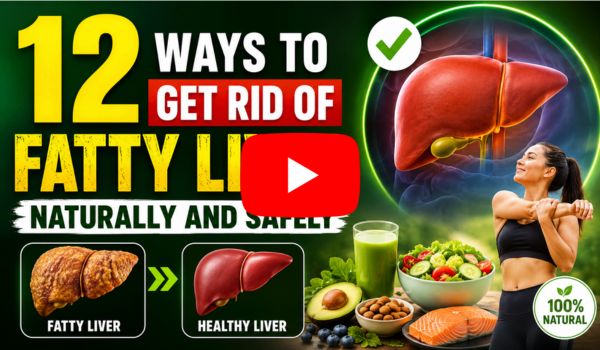

Fatty liver disease is one of the most common yet reversible liver conditions affecting millions of people worldwide.
It occurs when excess fat builds up in liver cells, reducing the organ’s ability to function efficiently.
While it is often linked with obesity, poor diet, insulin resistance, and a sedentary lifestyle, the good news is that fatty liver can often be improved and even reversed naturally with consistent lifestyle changes.
The liver is one of the body’s most powerful detox organs, responsible for filtering toxins, processing nutrients, and regulating metabolism.
When it becomes overloaded with fat, its efficiency decreases, leading to fatigue, inflammation, digestive issues, and long-term metabolic risks.
In this guide, we will explore 12 safe and natural ways to get rid of fatty liver, improve liver function, and support long-term metabolic health.
1. Maintain a Healthy and Balanced Diet
A balanced diet plays a key role in reducing liver fat and supporting overall metabolic function. Eating whole, nutrient-rich foods helps the liver process fats more efficiently and reduces harmful fat accumulation in liver cells.
Foods rich in fiber, antioxidants, and lean proteins support detoxification and improve digestion naturally.
A healthy diet helps:
- Support liver detoxification
- Reduce fat accumulation in liver cells
- Improve metabolism and digestion
- Maintain stable energy levels
Including vegetables, fruits, whole grains, and lean proteins may help restore liver health over time.
2. Reduce Sugar and Refined Carbohydrates
Excess sugar and refined carbs are major contributors to fatty liver development. When consumed in high amounts, the liver converts sugar into fat, which gets stored in liver tissue and increases inflammation.
Cutting down on sugary drinks and processed foods helps reduce liver stress.
Reducing sugar helps:
- Lower fat buildup in the liver
- Improve insulin sensitivity
- Stabilize blood sugar levels
- Reduce metabolic stress
Replacing sugar with natural foods like fruits and whole grains supports healthier liver function.
3. Increase Physical Activity and Exercise
Regular physical activity is one of the most effective ways to reduce liver fat naturally. Exercise helps burn stored fat and improves the body’s use of insulin and glucose.
Even moderate daily movement can significantly improve liver health.
Exercise helps:
- Burn excess body fat
- Improve insulin response
- Reduce liver fat accumulation
- Boost metabolism and energy
Walking, cycling, yoga, and light workouts can support long-term liver recovery.
4. Achieve and Maintain a Healthy Weight
Maintaining a healthy body weight is essential for reversing fatty liver disease. Excess abdominal fat increases liver fat storage and worsens inflammation over time.
Even a small weight loss can lead to noticeable improvements in liver function.
Healthy weight management helps:
- Reduce liver fat levels
- Improve hormonal balance
- Lower inflammation in the body
- Enhance metabolic health
A slow, steady weight loss approach is most effective for long-term liver wellness.
5. Stay Properly Hydrated
Water is essential for liver detoxification and metabolic efficiency. Proper hydration helps the liver flush out toxins and process nutrients more effectively.
Dehydration can slow down liver function and increase fat retention.
Hydration helps:
- Support toxin elimination
- Improve liver detox function
- Enhance digestion and metabolism
- Maintain cellular health
Drinking enough water daily supports the liver’s natural cleansing and repair.
6. Include Liver-Supportive Foods
Certain foods naturally support liver repair and help reduce fat buildup. These foods are rich in antioxidants and anti-inflammatory compounds that protect liver cells.
They help improve liver regeneration and detox pathways.
Liver-supportive foods help:
- Reduce oxidative stress in liver cells
- Support detoxification pathways
- Improve fat metabolism
- Protect liver tissue health
Foods like garlic, turmeric, beets, and leafy greens are especially beneficial.
7. Avoid Alcohol and Toxins
Alcohol is a major contributor to fatty liver and can significantly worsen liver damage over time. Reducing or eliminating alcohol intake allows the liver to recover more effectively.
Environmental toxins can also increase liver stress and inflammation.
Avoiding toxins helps:
- Reduce liver inflammation
- Improve liver cell recovery
- Prevent fat buildup in the liver
- Support overall detox function
Avoiding smoking and processed chemicals further protects liver health.
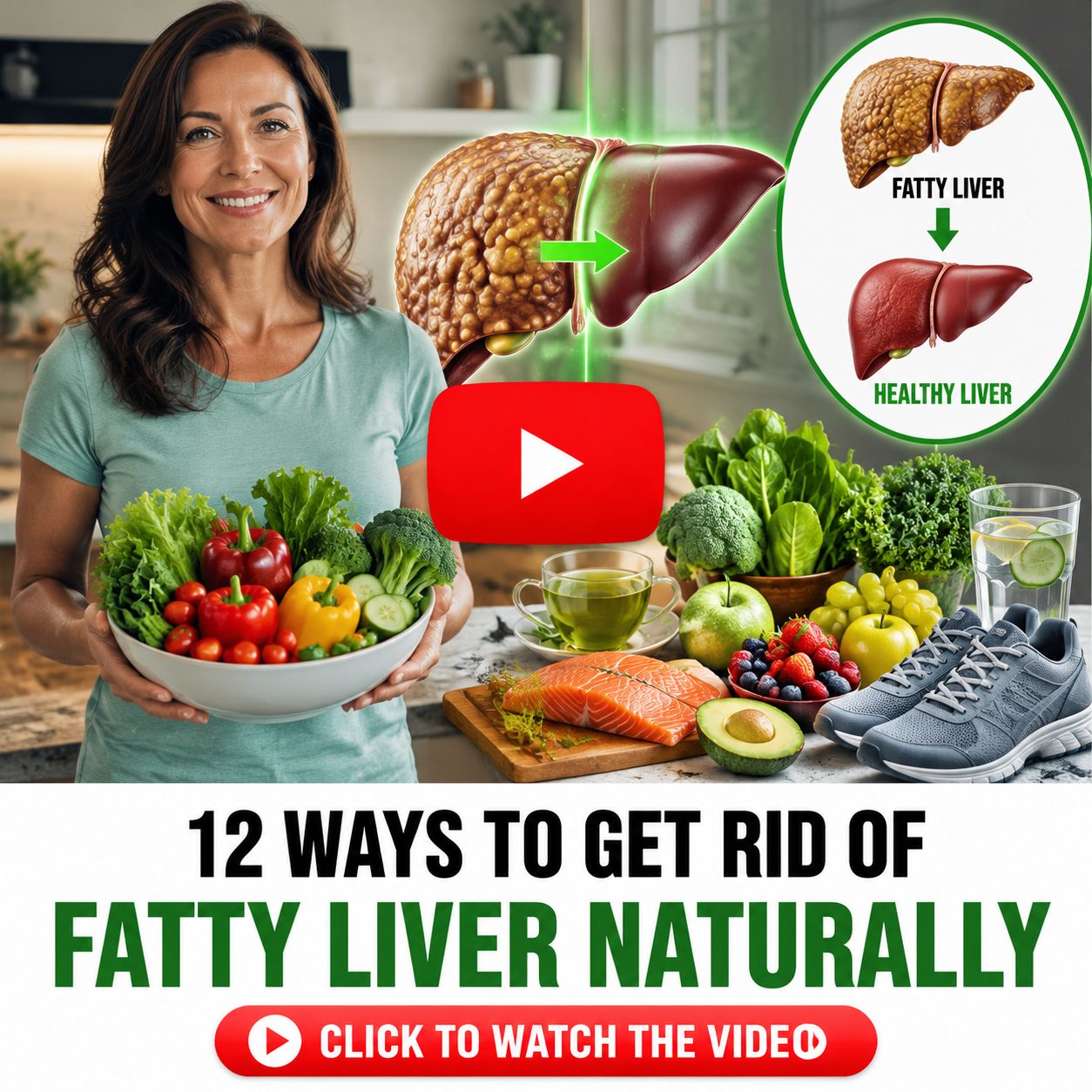
8. Manage Blood Sugar Levels
Stable blood sugar levels are essential for preventing fat accumulation in the liver. Insulin resistance often leads to increased fat storage in liver cells.
Balanced nutrition and activity help regulate glucose levels naturally.
Blood sugar control helps:
- Reduce fat production in the liver
- Improve insulin sensitivity
- Support metabolic balance
- Prevent liver inflammation
Low-glycemic foods help maintain stable energy and liver health.
9. Improve Gut Health
A healthy gut supports better digestion, nutrient absorption, and liver function. Poor gut bacteria balance can contribute to inflammation and fat buildup in the liver.
Probiotics and fiber-rich foods help restore gut balance.
Gut health helps:
- Improve digestion efficiency
- Reduce inflammation levels
- Support liver detoxification
- Enhance nutrient absorption
Yogurt, fermented foods, and fiber-rich diets improve the gut-liver connection.
10. Get Quality Sleep
Sleep is essential for liver repair and metabolic regulation. During deep sleep, the liver performs important detox and regeneration processes.
Poor sleep can disrupt hormones and increase fat storage.
Good sleep helps:
Support liver cell repair
Balance metabolism and hormones
Reduce stress hormone levels
Improve the detoxification process
7–9 hours of consistent sleep support long-term liver recovery.
11. Manage Stress Effectively
Chronic stress increases cortisol levels, which can contribute to fat accumulation in the liver. Managing stress helps protect hormonal and metabolic balance.
Relaxation techniques can significantly improve liver health.
Stress management helps:
- Reduce cortisol levels
- Improve hormone balance
- Support metabolic function
- Lower inflammation in the body
Meditation, yoga, and breathing exercises are highly effective.
12. Regular Medical Monitoring
Regular health checkups help track liver condition and detect early progression of fatty liver. Blood tests and imaging provide important insights into liver function.
Early detection allows timely lifestyle changes for better recovery.
Monitoring helps:
- Track liver fat levels
- Detect early liver issues
- Guide lifestyle improvements
- Prevent disease progression
Routine checkups ensure the long-term stability of liver health.
Causes of Fatty Liver and Early Warning Signs
Excess calorie intake and weight gain – Consuming more calories than the body needs leads to fat storage in the liver, especially when combined with a sedentary lifestyle and high intake of processed, sugary, or fatty foods.
High-sugar and refined-carbohydrate diet – Frequent intake of sugary drinks, sweets, and white-flour products triggers insulin spikes, causing the liver to convert excess sugar into fat and store it in liver cells over time.
Obesity and abdominal fat accumulation – Excess belly fat is strongly linked to fatty liver because visceral fat releases fatty acids directly into the liver, increasing fat buildup and triggering inflammation and metabolic imbalance.
Insulin resistance and type 2 diabetes – When cells stop responding properly to insulin, blood sugar levels rise, forcing the liver to store more fat. This condition significantly increases the risk of non-alcoholic fatty liver disease.
Alcohol consumption and liver stress – Even moderate alcohol intake can damage liver cells and worsen fat accumulation. Over time, alcohol disrupts normal liver metabolism and contributes to inflammation and liver dysfunction.
Early warning signs like fatigue and weakness: Persistent tiredness, low energy, and general weakness can be early signs of fatty liver, as the liver struggles to process nutrients and remove toxins efficiently from the body.
Digestive issues and abdominal discomfort – Bloating, mild pain in the upper right abdomen, or indigestion may appear in early stages, indicating liver stress and fat accumulation affecting normal digestive and metabolic processes.
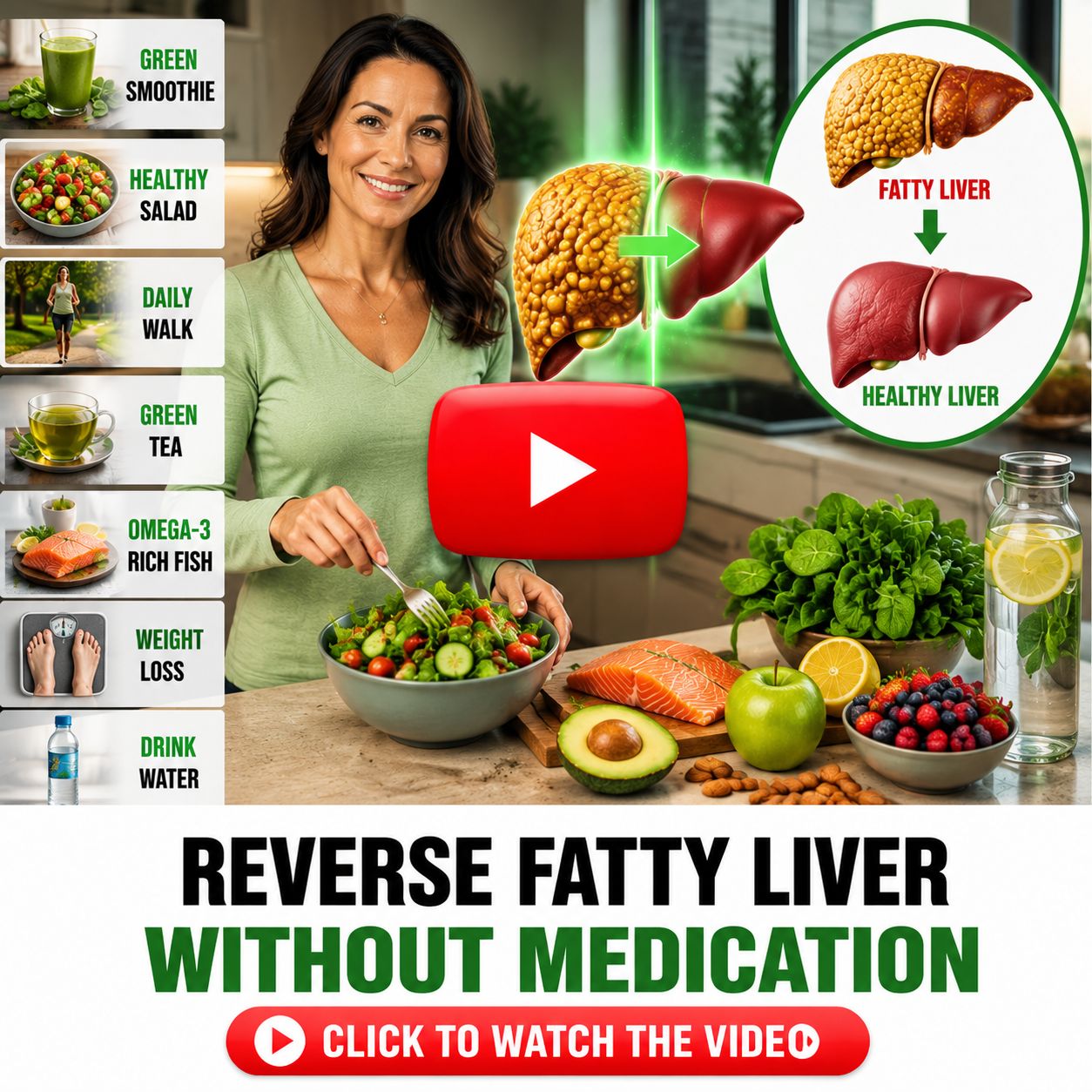
Natural Diet Changes to Reduce Liver Fat
Natural diet changes play a key role in reducing liver fat and improving overall liver function.
Eating more whole foods such as vegetables, fruits, whole grains, and lean proteins helps the liver process and break down excess fat more efficiently.
Reducing intake of sugar, refined carbohydrates, and processed foods lowers fat buildup and insulin spikes that contribute to fatty liver.
Healthy fats from sources like nuts, seeds, and olive oil support metabolism and reduce inflammation.
A consistent, balanced diet helps restore liver health, improve energy levels, and promote long-term detoxification and metabolic stability.
Obesity and abdominal fat accumulation
Excess body fat increases liver fat storage – When overall body fat increases, especially due to overeating and inactivity, the liver begins storing excess fat, leading to fatty liver and reduced metabolic efficiency.
Visceral fat directly affects liver health – Abdominal or visceral fat releases fatty acids into the bloodstream, which are taken up by the liver, increasing fat buildup and raising the risk of inflammation and non-alcoholic fatty liver disease.
Hormonal imbalance worsens fat accumulation – Obesity can disrupt insulin, leptin, and other hormones, making it harder for the body to regulate fat storage, which directly contributes to liver fat accumulation over time.
A sedentary lifestyle intensifies abdominal obesity: lack of physical activity slows metabolism and promotes fat deposition around the abdomen, increasing the liver’s exposure to excess fatty acids and metabolic stress.
Gradual weight gain increases long-term risk – Slow, steady weight gain often goes unnoticed but significantly increases the risk of fatty liver, as the liver continuously stores excess fat from the bloodstream.
Alcohol consumption and liver stress
Alcohol consumption and liver stress significantly impact liver health, even when intake is moderate or occasional.
Alcohol is processed directly by the liver, and excessive or frequent consumption forces the liver to work harder, leading to fat accumulation within liver cells.
Over time, this disrupts normal liver metabolism and reduces its ability to break down toxins efficiently.
Continuous alcohol exposure can also trigger inflammation, oxidative stress, and gradual liver cell damage, increasing the risk of fatty liver disease and other serious liver conditions.
It may also interfere with nutrient absorption and worsen insulin resistance, further contributing to metabolic imbalance.
Reducing or avoiding alcohol intake allows the liver to repair itself, restore normal function, and gradually decrease fat buildup, supporting long-term liver health and overall well-being.
Early warning signs like fatigue and weakness
Constant tiredness – Ongoing fatigue even after rest may indicate early liver stress and reduced energy metabolism.
Low daily energy levels – Feeling drained throughout the day can signal impaired liver function affecting energy production.
General body weakness – Muscle weakness and heaviness may occur when the liver struggles to process nutrients efficiently.
Difficulty focusing – Brain fog or poor concentration can appear when toxins are not filtered properly by the liver.
Poor exercise tolerance – Getting tired quickly during physical activity may reflect reduced metabolic and liver efficiency.
Unexplained sluggishness – A slow, heavy feeling in the body can be an early warning of fat buildup in the liver.
Sleepiness during the day – Excessive daytime drowsiness may result from poor detoxification and energy imbalance.
Reduced motivation and alertness – Low drive and mental alertness can be linked to early metabolic changes caused by fatty liver.
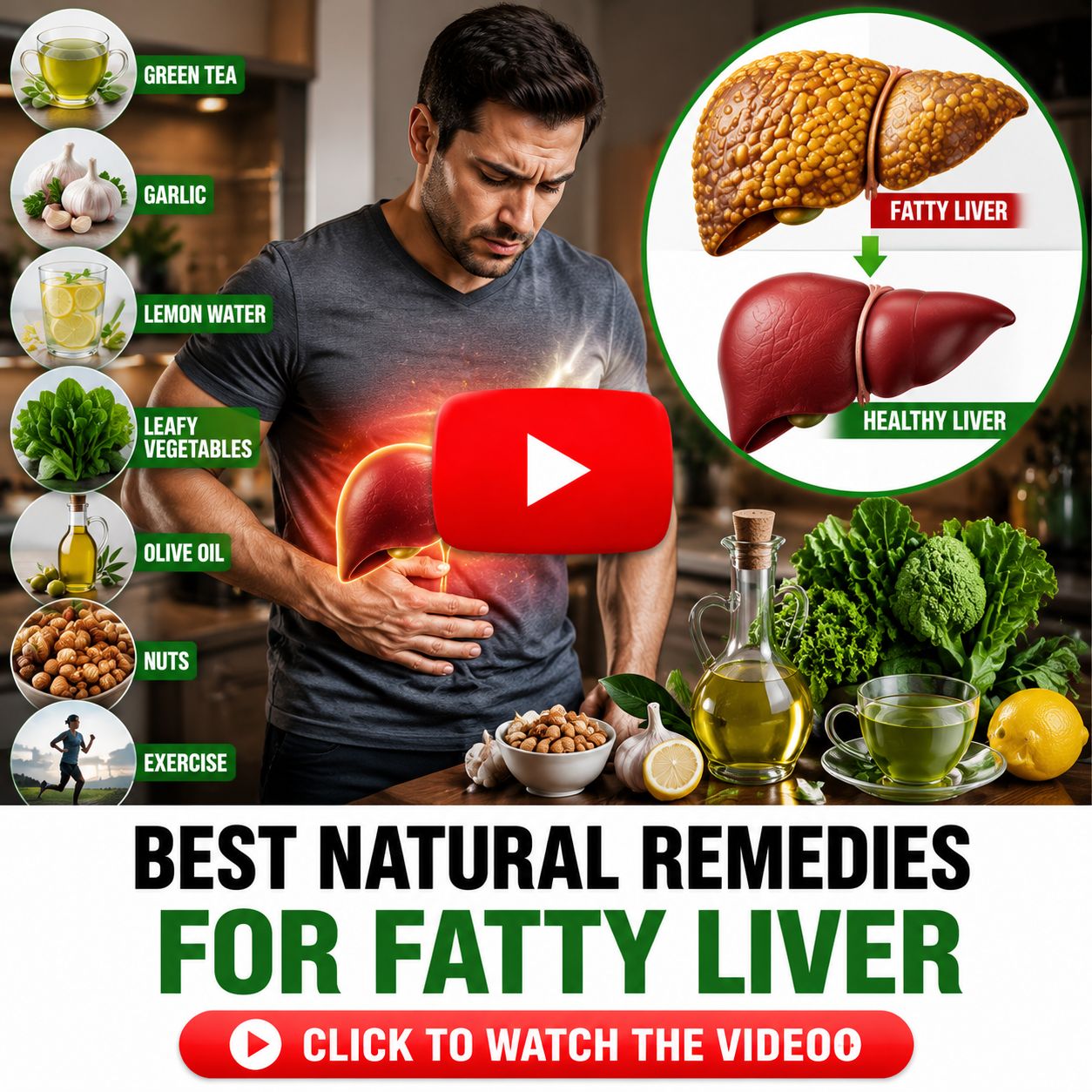
Digestive issues and abdominal discomfort
Digestive issues and abdominal discomfort are common early warning signs of fatty liver. Individuals may experience bloating, indigestion, gas, or a feeling of heaviness after meals due to reduced liver efficiency.
Mild pain or discomfort in the upper right abdomen can occur as fat buildup causes liver enlargement and pressure on surrounding tissues.
When the liver becomes stressed, bile production and digestive processes may slow, leading to poor fat metabolism and irregular digestion.
Over time, these symptoms may become more noticeable after eating fatty or heavy foods.
Addressing diet, improving lifestyle habits, and supporting liver function early can help reduce discomfort and prevent further progression of fatty liver disease naturally and safely.
Conclutions
In conclusion, fatty liver is a common but reversible condition when addressed through consistent, healthy lifestyle changes.
By following these 12 natural and safe approaches, including improving diet quality, reducing sugar and alcohol intake, staying physically active, managing weight, and supporting gut health, you can significantly reduce liver fat and restore normal liver function over time.
Small but steady habits such as staying hydrated, getting quality sleep, managing stress, and choosing liver-supportive foods play a powerful role in long-term recovery.
Early awareness of warning signs and regular health monitoring further help prevent complications and ensure better outcomes.
The key to success is consistency, not quick fixes. With patience and discipline, the liver has a strong ability to heal itself naturally, helping you regain energy, improve metabolism, and support overall well-being safely and effectively for the long term.
.
.
.