13 Ways to Improve Heart Health Naturally at Home & Quickly
13 Ways to Improve Heart Health Naturally at Home & Quickly
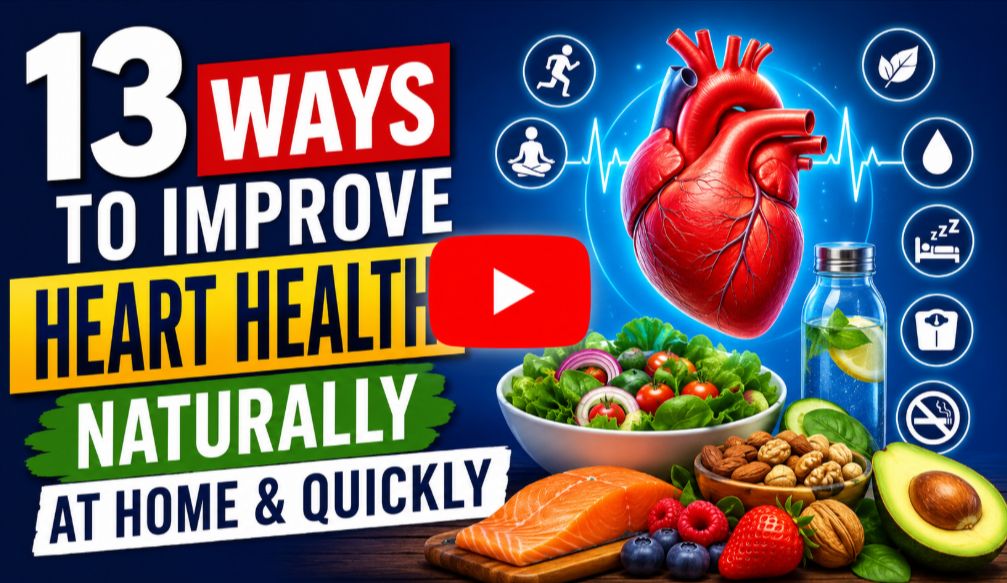

Heart disease remains one of the leading causes of death worldwide, but the encouraging news is that many cardiovascular problems are preventable.
Small, consistent lifestyle changes can significantly improve heart function, reduce inflammation, lower blood pressure, and support healthy cholesterol levels.
Your heart works around the clock, pumping blood throughout your body every second of every day. Yet many people don’t think about heart health until symptoms appear.
The truth is that prevention is often far easier and more effective than treatment.
The good news is that you don’t need expensive equipment, extreme diets, or complicated workout programs to strengthen your heart. Many of the most powerful heart-protective habits can be done right at home.
In this comprehensive guide, you’ll discover 13 scientifically supported ways to improve heart health naturally and quickly, helping you build a stronger cardiovascular system and a healthier future.
Why does heart health matter?
Your cardiovascular system supplies oxygen and nutrients to every organ in your body. When heart health declines, virtually every bodily function can be affected.
Poor heart health may increase the risk of:
- High blood pressure
- Heart attack
- Stroke
- Coronary artery disease
- Heart failure
- Peripheral artery disease
- Kidney disease
- Cognitive decline
On the other hand, maintaining a healthy heart can lead to:
- Better energy levels
- Improved circulation
- Enhanced brain function
- Healthier blood pressure
- Better cholesterol levels
- Reduced inflammation
- Increased longevity
The earlier you start caring for your heart, the greater the benefits.
Signs Your Heart Health May Need Attention
Many heart problems develop gradually and silently. Watch for these warning signs:
- Frequent fatigue
- Shortness of breath
- High blood pressure readings
- Swelling in the legs or ankles
- Chest discomfort
- Irregular heartbeat
- Poor exercise tolerance
- Dizziness
- Persistent inflammation
- Elevated cholesterol levels
If you experience severe chest pain, difficulty breathing, or symptoms of a heart attack, seek emergency medical care immediately.

1. Eat More Heart-Healthy Foods
One of the fastest ways to support heart health is through your diet.
The foods you consume directly affect:
- Blood pressure
- Cholesterol levels
- Inflammation
- Blood vessel function
- Arterial health
Best Foods for Heart Health
Fatty Fish
Rich in omega-3 fatty acids, fatty fish may help reduce inflammation and support healthy cholesterol levels.
Examples include:
- Salmon
- Sardines
- Tuna
- Mackerel
- Trout
Leafy Greens
Leafy vegetables provide vitamins, minerals, antioxidants, and nitrates that support circulation.
Examples:
- Spinach
- Kale
- Swiss chard
- Arugula
Berries
Blueberries, strawberries, and raspberries contain antioxidants that may help protect blood vessels from damage.
Nuts and Seeds
Excellent sources of healthy fats, fiber, and minerals.
Examples:
- Walnuts
- Almonds
- Chia seeds
- Flaxseeds
Whole Grains
Whole grains may help lower LDL cholesterol and improve cardiovascular health.
Examples:
- Oats
- Brown rice
- Quinoa
- Whole wheat
2. Reduce Added Sugar Intake
Excess sugar consumption has been linked to multiple cardiovascular risk factors.
High sugar intake may contribute to:
- Obesity
- High blood pressure
- Insulin resistance
- Type 2 diabetes
- Elevated triglycerides
Hidden Sources of Sugar
Many foods contain more sugar than people realize:
- Soft drinks
- Energy drinks
- Sweetened coffee beverages
- Breakfast cereals
- Flavored yogurt
- Packaged snacks
Instead, focus on natural sources of sweetness such as fruits.
3. Stay Physically Active Every Day
Exercise is one of the most effective natural methods for improving cardiovascular health.
Regular physical activity helps:
- Strengthen the heart muscle
- Improve circulation
- Lower blood pressure
- Reduce stress
- Increase HDL cholesterol
- Maintain healthy weight
Easy Home Exercises
Walking
Even a brisk 30-minute walk can provide substantial cardiovascular benefits.
Stair Climbing
A highly effective exercise that raises heart rate quickly.
Dancing
Fun and excellent for cardiovascular fitness.
Bodyweight Exercises
- Squats
- Lunges
- Push-ups
- Planks
Aim for at least 150 minutes of moderate exercise per week.
4. Maintain a Healthy Weight
Excess body weight places additional strain on the heart.
Obesity increases the risk of:
- Hypertension
- Diabetes
- High cholesterol
- Coronary artery disease
Even losing 5–10% of body weight may significantly improve heart health markers.
Weight Management Tips
- Control portion sizes
- Increase protein intake
- Eat more vegetables
- Avoid sugary beverages
- Stay physically active
Consistency matters more than perfection.
5. Improve Sleep Quality
Sleep is often overlooked when discussing heart health.
Poor sleep may contribute to:
- High blood pressure
- Increased inflammation
- Weight gain
- Elevated stress hormones
Heart-Healthy Sleep Habits
- Maintain a regular sleep schedule
- Limit screen time before bed
- Keep the bedroom cool and dark
- Avoid caffeine late in the day
Most adults should aim for 7–9 hours of quality sleep nightly.
6. Manage Stress Effectively
Chronic stress can negatively affect cardiovascular health.
When stress levels remain elevated for long periods, the body produces excessive stress hormones that may increase blood pressure and inflammation.
Natural Stress-Reduction Techniques
Deep Breathing
Slow breathing exercises can help calm the nervous system.
Meditation
Just 10–15 minutes daily may support cardiovascular health.
Journaling
Writing down thoughts may reduce emotional stress.
Nature Exposure
Spending time outdoors can help lower stress levels naturally.

7. Stop Smoking and Avoid Tobacco
Smoking damages nearly every part of the cardiovascular system.
Smoking can:
- Narrow arteries
- Raise blood pressure
- Reduce oxygen delivery
- Increase blood clot risk
- Accelerate plaque buildup
The benefits of quitting begin almost immediately.
Within weeks and months, circulation and cardiovascular function begin improving.
8. Limit Alcohol Consumption
Excessive alcohol intake can negatively affect the heart.
Potential effects include:
- Elevated blood pressure
- Irregular heartbeat
- Cardiomyopathy
- Increased stroke risk
If you drink alcohol, moderation is essential.
Many people may benefit from reducing intake significantly or avoiding alcohol altogether.
9. Increase Fiber Intake
Dietary fiber plays a major role in cardiovascular health.
Fiber may help:
- Lower LDL cholesterol
- Improve digestion
- Regulate blood sugar
- Support a healthy weight
High-Fiber Foods
- Oats
- Beans
- Lentils
- Fruits
- Vegetables
- Whole grains
Aim to include fiber-rich foods at every meal.
10. Stay Properly Hydrated
Water is essential for healthy circulation.
Dehydration can cause:
- Increased heart rate
- Reduced blood volume
- Added cardiovascular strain
Hydration Tips
- Drink water throughout the day
- Limit sugary drinks
- Eat water-rich fruits and vegetables
Good hydration supports overall cardiovascular efficiency.
11. Monitor Blood Pressure Regularly
High blood pressure is often called the “silent killer” because symptoms may not appear until damage has occurred.
Healthy Blood Pressure Habits
- Reduce sodium intake
- Exercise regularly
- Manage stress
- Maintain healthy weight
- Limit alcohol
Home blood pressure monitors can help track progress and identify concerns early.
12. Eat More Potassium-Rich Foods
Potassium helps balance sodium levels and supports healthy blood pressure.
Potassium-Rich Foods
- Bananas
- Sweet potatoes
- Avocados
- Spinach
- Beans
- Yogurt
Increasing potassium through food may support heart function and circulation.
Individuals with kidney disease should consult their healthcare provider before increasing potassium intake.
13. Build Consistent Daily Heart-Healthy Habits
The most important factor in long-term heart health is consistency.
Small daily actions often outperform extreme short-term efforts.
Daily Heart Health Checklist
✓ Eat vegetables with every meal
✓ Walk at least 30 minutes
✓ Drink enough water
✓ Manage stress
✓ Sleep 7–9 hours
✓ Avoid smoking
✓ Limit processed foods
✓ Monitor blood pressure
✓ Maintain a healthy weight
✓ Stay socially connected
When repeated consistently, these habits create powerful improvements in cardiovascular health.
Can Weight Loss Improve Heart Health?
Losing excess body weight can significantly benefit cardiovascular health.
Even a modest weight reduction may help lower blood pressure, reduce cholesterol levels, improve blood sugar control, and decrease the risk of heart disease.
Sustainable weight loss achieved through healthy eating habits and regular physical activity often produces the greatest long-term benefits for heart health.
The Connection Between Heart Health and Blood Pressure
Blood pressure plays a major role in overall cardiovascular health. When blood pressure remains elevated for long periods, the heart must work harder to pump blood throughout the body.
This extra strain can damage blood vessels and increase the risk of heart attack, stroke, and heart failure.
Maintaining a healthy weight, reducing sodium intake, staying physically active, and managing stress can all contribute to healthier blood pressure levels and a stronger heart.
Quick Heart Health Statistics
| Heart Health Fact | Why It Matters |
|---|---|
| Heart disease remains a leading cause of death worldwide | Prevention is essential |
| High blood pressure often has no symptoms | Regular monitoring is important |
| Physical inactivity increases cardiovascular risk | Daily movement supports heart health |
| Smoking significantly damages blood vessels | Quitting benefits the heart quickly |
| Healthy eating patterns can reduce heart disease risk | Diet plays a major role in prevention |
| Poor sleep is linked to heart problems | Quality sleep supports cardiovascular health |
| Obesity increases the likelihood of heart disease | Weight management is important |
| Chronic stress may elevate blood pressure | Stress reduction supports heart wellness |
The Role of Exercise Intensity in Heart Health
Not all exercise impacts the heart in the same way. Light activities like walking improve circulation and help beginners build consistency, while moderate exercises such as jogging, cycling, or swimming strengthen cardiovascular endurance more effectively.
Higher-intensity workouts can further improve heart efficiency, but they should be approached gradually, especially for individuals with existing health conditions.
The key is consistency regular movement matters more than extreme intensity done occasionally.

How Gut Health Influences Heart Health?
Emerging research shows a strong connection between gut health and cardiovascular health. A balanced gut microbiome may help regulate inflammation, cholesterol levels, and metabolism.
Diets rich in fiber, fruits, vegetables, and fermented foods can support beneficial gut bacteria, which in turn may positively influence heart health markers.
Conversely, poor diet and high processed food intake may negatively impact both gut and heart function.
Foods to Avoid for Better Heart Health
Reducing harmful foods can be just as important as adding healthy ones.
Limit:
- Processed meats
- Fried foods
- Sugary beverages
- Excess sodium
- Refined carbohydrates
- Packaged snacks
- Trans fats
Replacing these foods with nutrient-dense alternatives can produce noticeable improvements over time.
Foods That May Help Lower Cholesterol Naturally
Certain foods contain nutrients that may help improve cholesterol levels and support cardiovascular health.
Oats, beans, lentils, apples, flaxseeds, walnuts, and fatty fish are excellent examples.
These foods contain fiber, healthy fats, and antioxidants that may help reduce LDL cholesterol while supporting healthy blood vessel function.
How Social Connections Benefit Heart Health
Strong social relationships are associated with better physical and emotional health.
Studies suggest that people with supportive social networks may experience lower stress levels, healthier blood pressure, and a reduced risk of cardiovascular disease.
Spending time with family, friends, and community groups can contribute positively to both mental well-being and heart health.
How Quickly Can Heart Health Improve?
Many people notice benefits sooner than expected.
Possible improvements include:
Within Days
- Better hydration
- Reduced bloating
- Improved energy
Within Weeks
- Lower blood pressure
- Better circulation
- Improved sleep
Within Months
- Improved cholesterol levels
- Weight loss
- Better cardiovascular fitness
Long-Term
- Reduced risk of heart attack
- Lower risk of stroke
- Increased lifespan
- Better overall health
The body has an incredible capacity to heal when provided with proper support.
Heart-Healthy Foods and Their Benefits
| Heart-Healthy Food | Key Nutrients | Benefits for Heart Health |
|---|---|---|
| Salmon | Omega-3 Fatty Acids | Helps reduce inflammation and supports healthy cholesterol levels |
| Oats | Soluble Fiber | May help lower LDL (“bad”) cholesterol |
| Spinach | Potassium, Nitrates | Supports healthy blood pressure and circulation |
| Walnuts | Healthy Fats, Antioxidants | Promotes heart and blood vessel health |
| Avocados | Monounsaturated Fats | Helps maintain healthy cholesterol levels |
| Berries | Antioxidants, Fiber | Protects blood vessels from oxidative stress |
| Beans | Fiber, Protein | Supports cholesterol management and weight control |
| Olive Oil | Healthy Fats, Polyphenols | Helps reduce inflammation and supports heart function |
| Sweet Potatoes | Potassium, Fiber | Supports blood pressure regulation |
| Chia Seeds | Omega-3s, Fiber | Contributes to healthy cholesterol and heart health |
Common Habits That Can Damage Heart Health
Many people focus on improving their heart health through diet and exercise, but often overlook daily habits that may be silently harming their cardiovascular system.
Smoking, excessive alcohol consumption, chronic stress, physical inactivity, and poor sleep quality can all increase the risk of heart disease over time.
Additionally, consuming large amounts of processed foods, sugary drinks, and foods high in trans fats may contribute to high cholesterol, obesity, and elevated blood pressure.
Identifying and eliminating these harmful habits is an important step toward maintaining a strong and healthy heart.
When to See a Doctor About Your Heart Health
While lifestyle changes can significantly improve heart health, certain symptoms should never be ignored.
Seek medical attention if you experience persistent chest pain, shortness of breath, irregular heartbeat, dizziness, unexplained fatigue, or swelling in the legs and ankles.
Regular health screenings are also important, especially for individuals with a family history of heart disease, diabetes, high blood pressure, or high cholesterol.
Early detection and treatment of cardiovascular issues can prevent serious complications and improve long-term health outcomes.
Working closely with a healthcare professional ensures that your heart health plan is both safe and effective.
Final Thoughts
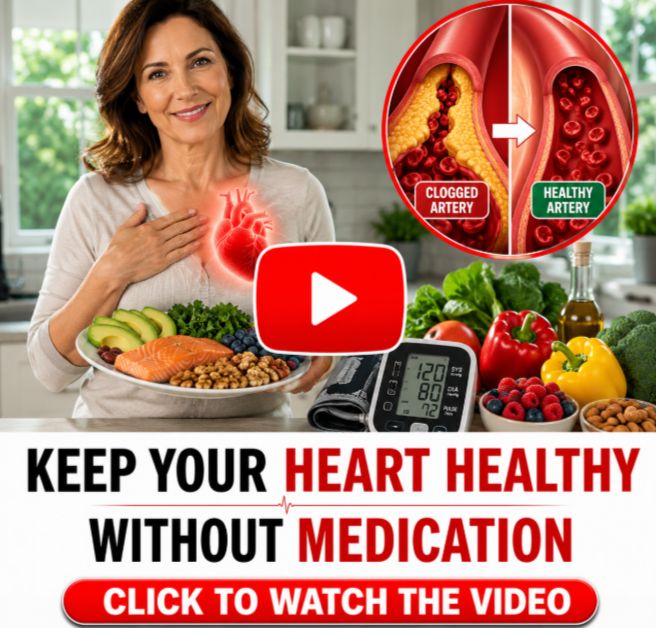
Improving heart health doesn’t require drastic measures or expensive treatments. Some of the most powerful strategies are simple lifestyle habits that can be practiced at home every day.
Eating nutritious foods, staying active, managing stress, getting enough sleep, and avoiding harmful habits can collectively transform cardiovascular health over time.
The key is consistency. Every healthy meal, every walk around the neighborhood, every night of quality sleep, and every positive choice contributes to a stronger heart.
By implementing these 13 natural strategies, you can support healthier blood pressure, improve circulation, enhance energy levels, and reduce the risk of future heart disease.
Your heart works tirelessly for you every day. Investing in its health today can pay dividends for years to come.