What Is the Normal Dose of Topamax for Weight Loss?
Discover the normal Topamax dose for weight loss, including safe starting doses, titration, side effects, and medical guidelines for best results.
Normal Dose of Topamax for Weight Loss (⚡INSIDER GUIDE❗) The Fat-Burning Formula!
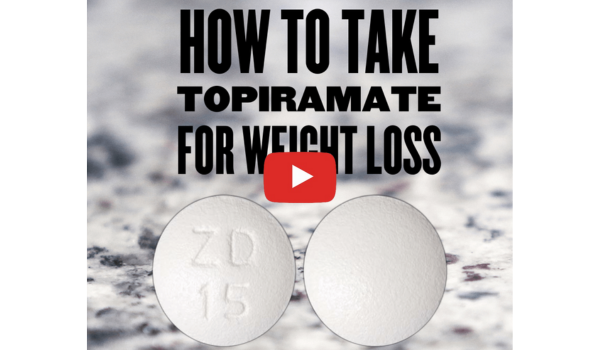

Weight loss is a complex journey that involves numerous biological, psychological, and environmental factors.
While lifestyle changes like diet and exercise are cornerstones of any weight management plan, some individuals may require additional support through medication.
One medication that has generated significant attention in the weight loss community is Topamax the brand name for topiramate.
Originally approved for epilepsy and migraine prevention, Topamax has demonstrated notable weight loss effects in certain patients, leading healthcare providers to consider its use for weight management.
However, using any prescription medication for weight loss demands careful understanding, including appropriate dosing, potential benefits, risks, and expectations.
This comprehensive guide explores everything you need to know about using Topamax for weight loss, especially the normal dose, how it works, and what to consider before starting treatment.
What Is Topamax (Topiramate)?
Topamax (topiramate) is an anticonvulsant and neurological medication approved by the U.S. Food and Drug Administration (FDA) to treat:
- Epilepsy (seizures)
- Migraine prevention
However, in addition to these primary uses, clinical experience and research have revealed that Topamax may also promote weight loss, often as a side effect observed in patients treated for its approved conditions.
This has led some healthcare providers to prescribe it off-label for individuals seeking to lose weight, particularly when other weight loss strategies have not been effective.
How Does Topamax Promote Weight Loss?
The exact mechanisms by which Topamax facilitates weight loss are still being studied, but multiple theories help explain its effects:
- Appetite Suppression: Topamax is thought to influence neurotransmitters such as gamma-aminobutyric acid (GABA) and glutamate, which may play a role in appetite regulation. This can lead to a reduced desire to eat or a sensation of early satiety.
- Taste Alteration: Many users report that Topamax alters the taste of certain foods, particularly carbonated beverages and sugary items, which may naturally reduce calorie intake.
- Mood and Impulse Control: By stabilizing mood and reducing anxiety, Topamax may help diminish emotional eating, binge eating, or food cravings that contribute to weight gain.
- Metabolic Impact: Some studies suggest that Topamax may increase resting energy expenditure or alter metabolism in ways that favor weight loss.
Is Topamax FDA-Approved for Weight Loss?
Topamax alone is not officially FDA-approved for weight loss. However, a combination drug that includes topiramate and phentermine (Qsymia) has received FDA approval for long-term weight management in certain adults with obesity or overweight-related health issues.
Even though Topamax monotherapy is not formally approved for this use, many physicians prescribe it off-label based on its demonstrated effects in clinical studies and practice.
What Is the Normal Dose of Topamax for Weight Loss?
Because Topamax is not officially approved for weight loss as a standalone treatment, there is no universally established “standard” dose for this purpose.
However, over time, patterns in clinical practice and research have emerged, offering some general dosing guidelines.
1. Starting Dose
- Most healthcare providers start with a very low dose to assess tolerance and minimize side effects.
- A common starting dose is 25 mg once daily, often taken in the evening.
2. Titration Phase
- The dose is gradually increased, typically by 25 mg increments every 1-2 weeks.
- Slow titration allows the body to adjust and helps minimize side effects such as cognitive changes or dizziness.
3. Target Dose
- For weight loss purposes, many patients achieve benefits in the range of 50 mg to 100 mg per day.
- Some may require up to 200 mg daily, divided into two doses (morning and evening).
4. Maximum Dose
- Doses higher than 200 mg daily are generally not recommended for weight loss due to increased risk of side effects.
- In epilepsy treatment, Topamax may be used at higher doses (up to 400 mg daily), but such dosages are rarely necessary for weight management.
5. Typical Maintenance Dose
- The most common maintenance dose falls between 75 mg to 150 mg daily, depending on individual response and tolerance.

How Long Does It Take to See Weight Loss Results With Topamax?
The timeline for weight loss varies from person to person. Several factors can influence results, including:
- Starting weight
- Dose of Topamax
- Lifestyle factors such as diet, exercise, and sleep
- Presence of underlying medical conditions
Typical Timeline:
- First few weeks: Some individuals may notice a modest reduction in appetite or weight.
- 1-3 months: More significant weight loss often occurs within this window.
- 3-6 months: Substantial weight reduction may become apparent.
- 6-12 months: With continued use and lifestyle changes, many patients can achieve a 5-10% loss of their initial body weight.
Clinical Studies Supporting Topamax for Weight Loss
Numerous studies have investigated Topamax’s effects on weight loss:
1. Randomized Clinical Trials
In several randomized controlled trials, patients treated with Topamax experienced statistically significant weight loss compared to those given a placebo.
- A study published in the journal Obesity Research found that participants lost an average of 5-10% of their body weight over 24 weeks.
- Additional studies demonstrated weight loss benefits extending beyond 6 months when combined with lifestyle interventions.
2. Qsymia Studies
- The combination of phentermine and topiramate (Qsymia) has been extensively studied and shown to result in average weight losses of 8-10% of total body weight over one year.
- Although Qsymia includes a lower dose of topiramate (typically 23-92 mg daily), these findings support Topamax’s role in weight management.
Potential Side Effects of Topamax
As with any medication, Topamax carries the risk of side effects. The likelihood and severity of side effects often depend on the dose and individual sensitivity.
Common Side Effects:
- Tingling sensations (paresthesia): Particularly in the hands, feet, or face.
- Fatigue: Feeling unusually tired or sluggish.
- Cognitive difficulties (“Dopamax effect”): Word-finding problems, memory issues, slowed thinking.
- Dizziness or lightheadedness.
- Taste changes: Particularly aversion to carbonated beverages.
- Nausea or gastrointestinal discomfort.
- Dry mouth.
Less Common but Serious Side Effects:
- Kidney stones: Increased risk of calcium-based kidney stones.
- Metabolic acidosis: A rare but serious condition involving excess acid in the bloodstream.
- Eye problems (acute glaucoma): Sudden onset of vision problems may require immediate medical attention.
- Mood changes: Increased risk of depression, anxiety, or suicidal thoughts in some patients.
Due to these potential risks, it is crucial that Topamax be prescribed and monitored by a qualified healthcare provider.
Who Should Not Use Topamax for Weight Loss?
Topamax may not be appropriate for everyone. Certain individuals may need to avoid or use extra caution:
- Pregnant or breastfeeding individuals (Topamax may cause birth defects)
- Individuals with a history of kidney stones
- Patients with metabolic acidosis or electrolyte imbalances
- Those with a history of glaucoma or vision problems
- Individuals with depression, mood disorders, or a history of suicidal thoughts
- People with cognitive difficulties or concerns about memory impairment
A thorough medical evaluation should be conducted before starting Topamax for any purpose, including weight loss.
Combining Topamax with Lifestyle Changes for Optimal Results
While Topamax can be a valuable tool, it works best as part of a comprehensive weight loss strategy. Medication alone is rarely sufficient for sustained weight management. A holistic approach may include:
1. Healthy Diet
- Balanced intake of lean proteins, vegetables, fruits, whole grains, and healthy fats.
- Reducing processed foods, added sugars, and high-calorie snacks.
2. Physical Activity
- At least 150 minutes of moderate-intensity aerobic exercise weekly.
- Incorporation of strength training to build muscle and boost metabolism.
3. Behavioral Strategies
- Cognitive behavioral therapy (CBT) for emotional or binge eating.
- Mindfulness and stress management techniques.
- Setting realistic and sustainable goals.
4. Regular Medical Monitoring
- Ongoing communication with healthcare providers.
- Routine monitoring for side effects and effectiveness.
- Adjustments to dosing as needed.
How Topamax Affects the Body Beyond Appetite
While many people think of Topamax simply as an appetite suppressant, its effects on the body are more complex.
Understanding these mechanisms provides better context for how it supports weight loss and why professional oversight is so important.
1️⃣ Neurotransmitter Modulation
Topamax modulates key neurotransmitters:
- GABA (gamma-aminobutyric acid): An inhibitory neurotransmitter that calms nerve activity. Increased GABA activity may reduce stress-related eating and anxiety-induced cravings.
- Glutamate: An excitatory neurotransmitter involved in reward-driven eating behaviors. Topamax reduces excessive glutamate activity, which may decrease compulsive or binge eating.
2️⃣ Insulin Sensitivity
Preliminary studies suggest Topamax may improve insulin sensitivity in some individuals.
Since insulin resistance is a major contributor to obesity, any improvement in glucose metabolism can help facilitate fat loss.
3️⃣ Leptin and Ghrelin Regulation
Leptin (the satiety hormone) and ghrelin (the hunger hormone) play key roles in weight control.
While research is ongoing, Topamax may influence these hormones indirectly by affecting appetite signaling pathways in the brain.
4️⃣ Impact on Reward Pathways
Topamax appears to reduce food-related reward sensations, which may blunt the pleasure response from high-fat or high-sugar foods.
This makes it easier for individuals to reduce their intake of calorie-dense comfort foods.

The Psychological Aspect: Topamax’s Role in Emotional Eating
For many patients, emotional eating is a significant barrier to weight loss. Stress, anxiety, depression, boredom, or trauma can all trigger overeating behaviors that conventional diet plans fail to address.
Topamax has been studied for its use in certain psychiatric conditions such as:
- Binge Eating Disorder (BED)
- Bulimia Nervosa
- Impulse control disorders
- Mood disorders associated with overeating
By improving mood stability and dampening compulsive eating triggers, Topamax indirectly supports weight reduction where traditional interventions may fall short.
Is Topamax a Permanent Solution for Weight Loss?
A critical question for patients and healthcare providers is whether Topamax can or should be used indefinitely for weight management.
- Short-Term Use: Topamax may serve as a jumpstart for patients who struggle to initiate weight loss through lifestyle changes alone.
- Medium-Term Use: In many cases, Topamax is used for 6 to 12 months while patients implement new eating habits, exercise regimens, and behavioral modifications.
- Long-Term Use: Some individuals may remain on low-dose Topamax for years under medical supervision, especially if they have:
-
- Severe metabolic syndrome
- Obesity-related complications
- History of multiple failed weight loss attempts
- Co-existing binge eating or mood disorders
Ultimately, the goal is always to transition to sustainable lifestyle changes that do not require medication indefinitely.
Who May Benefit Most From Topamax for Weight Loss?
Topamax is not appropriate for everyone, but certain individuals may find it especially helpful:
| Ideal Candidates | May Not Be Ideal |
| Those with emotional or binge eating patterns | Pregnant or breastfeeding women |
| Patients with insulin resistance or PCOS | Individuals with glaucoma |
| Overweight individuals with migraines | Patients with a history of kidney stones |
| Obese individuals with mood disorders | People with significant cognitive impairment |
| Patients who have failed multiple weight loss attempts | Those with suicidal ideation or unstable psychiatric conditions |
This table highlights the need for individualized medical assessment before beginning Topamax therapy.
Safety Monitoring During Topamax Use
While Topamax is generally well-tolerated when properly managed, ongoing monitoring is critical to ensure long-term safety. Regular follow-up appointments should include:
- Electrolyte panels (monitor bicarbonate levels to screen for metabolic acidosis)
- Kidney function tests
- Mental status assessments (watch for mood or cognitive side effects)
- Weight tracking
- Blood pressure monitoring
- Vision checks (rare risk of glaucoma)
Your healthcare provider may also recommend periodic nutritional assessments to ensure adequate intake of key nutrients like calcium, potassium, and vitamin D, as Topamax can sometimes impact nutrient absorption indirectly.
Topamax Alternatives for Weight Loss
Topamax is one option in an expanding field of weight loss medications. Patients who do not tolerate Topamax well or who fail to achieve their goals may consider other FDA-approved medications such as:
- GLP-1 agonists (semaglutide, liraglutide, tirzepatide)
- Qsymia (phentermine/topiramate combination)
- Contrave (bupropion/naltrexone combination)
- Orlistat (fat absorption blocker)
Each medication comes with its own profile of risks, benefits, mechanisms, and suitability based on the individual’s health status.
Setting Realistic Expectations with Topamax
Setting appropriate expectations helps ensure patient satisfaction and long-term success. Here’s a realistic outlook:
| Timeline | Expected Changes |
| 0-1 Month | Appetite suppression may begin; minimal weight loss. |
| 1-3 Months | Noticeable weight loss; reduced cravings. |
| 3-6 Months | Continued steady weight loss with lifestyle changes. |
| 6-12 Months | Plateau may occur; ongoing monitoring is necessary. |
| 12+ Months | Weight maintenance; possible dose adjustments or tapering. |
Frequently Asked Questions (FAQs)
Is Topamax addictive?
- Topamax is not considered habit-forming or addictive. However, abrupt discontinuation can cause withdrawal symptoms, so it should be tapered off under medical supervision.
Can I drink alcohol while taking Topamax?
- Alcohol should generally be avoided or limited, as it may increase drowsiness, dizziness, and other side effects.
Can Topamax be combined with other weight loss medications?
- In some cases, Topamax may be combined with other medications under a healthcare provider’s guidance. The most common combination is with phentermine (as seen in Qsymia).
How long can I safely stay on Topamax for weight loss?
- Many patients remain on Topamax for extended periods under supervision. Long-term use requires regular monitoring for side effects and ongoing evaluation of risks versus benefits.
Will I regain weight if I stop taking Topamax?
- Weight regain is possible if healthy habits are not maintained after discontinuation. Medication serves as a tool but not a permanent solution; lifestyle changes are critical for lasting success.
Conclusion
Topamax offers a medically-supported option for weight loss in select patients, especially when combined with:
- A physician-supervised care plan
- Nutrition counseling
- Physical activity
- Behavioral support
Although not FDA-approved as a stand-alone weight loss medication, off-label use has demonstrated meaningful benefits for many patients under careful supervision.
Understanding the normal dosing range (25 mg – 200 mg daily), potential side effects, and careful monitoring ensures safe and effective use.
Always consult a qualified healthcare provider before initiating Topamax for weight management. Self-medication or unsupervised use can lead to serious complications.

.