Pink Salt vs White Salt – Everyday Wellness
Pink Salt vs White Salt (✨MINERAL BALANCE!) Supports natural flavor, Mindful seasoning, and Balanced everyday nutrition.
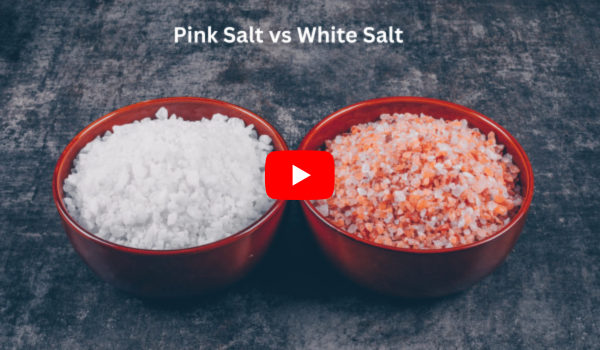

When it comes to everyday seasoning, the debate around “Pink Salt vs White Salt” continues to grow. Many people want to understand what each type offers, how it works in the body, and why it matters in daily cooking. Although both salts serve the same basic purpose, they differ in origin, mineral content, texture, and culinary experience.
In this in-depth guide, we will explore pink salt vs white salt from every positive angle. You will learn what each salt is, how it works, how to use it effectively, and why both can play a beneficial role in a balanced lifestyle.
What Is Pink Salt?
Pink salt, often called Himalayan pink salt, comes from ancient salt deposits formed millions of years ago. The most famous source is the Khewra Salt Mine in Pakistan. This salt gets its soft pink color from trace minerals such as iron, potassium, and magnesium.
Unlike highly refined salts, pink salt is typically minimally processed. Therefore, it keeps many of its naturally occurring minerals. Its crystals often appear larger and more textured than table salt. Because of this, it adds both flavor and visual appeal to dishes.
Additionally, pink salt has become popular in wellness communities. Many people appreciate its natural origin and mineral profile. However, it still contains sodium, just like any other salt. The key difference lies in its trace mineral composition and its subtle taste variation.
What Is White Salt?
White salt, commonly known as table salt, is the most widely used salt around the world. Manufacturers refine it to remove impurities and trace minerals. As a result, it appears bright white and flows easily.
In many countries, producers add iodine to white salt. This addition supports thyroid health and prevents iodine deficiency. Therefore, iodized white salt has played a major role in public health efforts.
White salt dissolves quickly and distributes evenly in food. Because of its fine texture, it blends well in baking and cooking. Although it undergoes more processing than pink salt, it remains an essential kitchen staple in households worldwide.
Pink Salt vs White Salt: Understanding the Core Differences
When comparing pink salt vs white salt, the main differences include:
- Source and origin
- Processing level
- Mineral content
- Texture and flavor
- Culinary application
However, both salts share one important function. They provide sodium, which supports fluid balance, nerve function, and muscle contraction. Therefore, the difference does not lie in basic function but in mineral trace elements and refinement methods.
How Salt Works in the Body?
To understand pink salt vs white salt, we must first understand how salt works inside the body.
Sodium plays a vital role in:
- Maintaining fluid balance
- Supporting nerve signals
- Assisting muscle movement
- Regulating blood pressure
- Helping nutrient absorption
When you consume salt, sodium enters the bloodstream. Then, it helps regulate how much water stays inside and outside cells. This balance keeps tissues hydrated and functioning properly.
Additionally, sodium supports electrical signals between nerves. These signals control muscle contractions, including the heartbeat. Therefore, moderate salt intake remains essential for health.
Both pink salt and white salt deliver sodium. However, pink salt provides small amounts of additional trace minerals, while white salt may include iodine for thyroid support.
Mineral Composition
Pink Salt Minerals
Pink salt contains over 80 trace minerals in tiny amounts. These include:
- Iron
- Magnesium
- Calcium
- Potassium
- Zinc
Although the quantities remain small, they contribute to its unique color and subtle flavor profile. Many people appreciate the natural mineral presence.
White Salt Benefits
- White salt often contains added iodine. Iodine supports thyroid hormone production. Without enough iodine, the thyroid gland may struggle to function properly.
- Therefore, iodized white salt plays a key role in preventing iodine deficiency in many populations.
- It also offers a pure, consistent sodium content, which makes it easy to measure during cooking.
Taste and Texture Differences
One of the most noticeable differences in pink salt vs white salt appears in texture.
Pink salt often comes in larger crystals. These crystals create a pleasant crunch when used as a finishing salt. Moreover, its flavor may feel slightly milder or more complex due to trace minerals.
White salt, on the other hand, dissolves quickly. Because of its fine texture, it distributes evenly throughout recipes. This makes it ideal for baking and precise cooking.
Both types enhance flavor. However, they do so in slightly different ways. Pink salt adds visual appeal and texture, while white salt provides uniform seasoning.
How to Use Pink Salt?
Pink salt works well in many culinary settings.
Here are some practical ways to use it:
- Sprinkle on salads for crunch
- Use as a finishing touch on grilled vegetables
- Add to soups for subtle mineral depth
- Season meats before roasting
- Mix into homemade spice blends
Because of its texture, pink salt shines as a finishing salt. Additionally, it pairs well with whole foods and minimally processed meals.
How to Use White Salt?
White salt remains a versatile staple.
You can use it for:
- Baking bread and pastries
- Cooking pasta or rice
- Seasoning sauces and soups
- Preserving foods
- Daily table seasoning
Its fine texture ensures even distribution. Therefore, it performs well in recipes that require precise measurement.
Pink Salt vs White Salt in Cooking Science
Salt does more than enhance flavor. It changes the chemistry of food.
Flavor Enhancement
Salt reduces bitterness and enhances sweetness. It balances flavors and makes ingredients taste fuller. Both pink and white salt perform this function effectively.
Protein Structure
Salt helps proteins retain moisture during cooking. For example, when you salt meat before cooking, sodium interacts with muscle proteins. As a result, the meat becomes more tender and juicy.
Fermentation Support
- Salt supports beneficial fermentation in foods like pickles and sauerkraut. It controls harmful bacteria while encouraging helpful microbes.
- Therefore, whether you choose pink salt or white salt, both contribute to positive food science benefits.
Why Pink Salt Appeals to Natural Living Enthusiasts?
Many people prefer pink salt because it feels less processed. Its natural appearance and mineral content appeal to those seeking whole food lifestyles.
Additionally, pink salt often appears in decorative salt lamps and spa treatments. While culinary benefits remain primary, its aesthetic value adds to its popularity.
However, it is important to remember that pink salt still contains sodium. Therefore, balance remains essential.
Why White Salt Remains a Trusted Staple?
- White salt has supported public health for decades. The addition of iodine has helped reduce thyroid disorders worldwide.
- Moreover, its affordability and accessibility make it practical. It remains easy to measure, store, and distribute in food production.
- Therefore, white salt continues to hold strong value in everyday kitchens.
Pink Salt vs White Salt: Choosing What Fits Your Lifestyle
Choosing between pink salt vs white salt depends on personal preference.
- If you prefer natural texture and trace minerals, pink salt may suit you. If you want precise seasoning and iodine support, white salt works well.
- Interestingly, many households use both. Pink salt works beautifully as a finishing salt, while white salt supports baking and cooking.
Balanced Perspective on Health
Both salts provide sodium, which the body requires in small amounts. However, excessive intake may raise blood pressure in some individuals.
Therefore, the focus should remain on moderation rather than elimination. Combining mindful salt use with a balanced diet supports overall wellness.
Final Thoughts
The conversation about pink salt vs white salt does not require conflict. Instead, it offers an opportunity to understand options.
Pink salt provides trace minerals and visual beauty. White salt delivers iodine support and precise seasoning. Both enhance flavor, improve cooking chemistry, and support essential bodily functions when used responsibly.
.