Mouth Taping at Night: Better Sleep & Breathing Benefits
Mouth Taping at Night (🔥SECRET TRICK) Improve Nasal Breathing, Reduce Snoring, and Boost Deep Sleep Naturally with This Simple Habit!
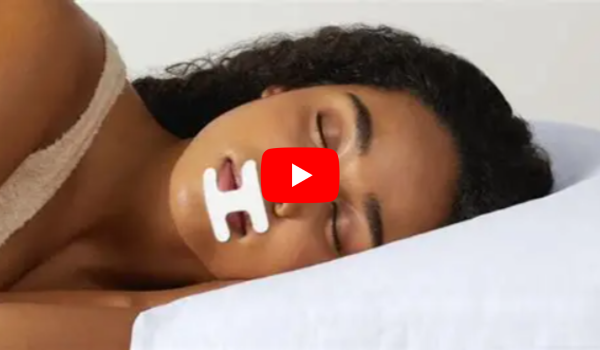

In the world of modern wellness, some of the most powerful habits are also the simplest. One practice gaining serious attention for sleep quality, breathing health, and overall well-being is mouth taping at night.
At first, it may sound unusual or even uncomfortable, but for many people, this small nighttime habit has delivered big results.
Mouth taping at night is exactly what it sounds like: gently taping the lips closed before sleep to encourage nasal breathing.
While the concept might feel new, breathing through the nose during sleep is actually the body’s natural and biologically preferred state.
In this in-depth guide, we’ll explore everything you need to know about mouth taping at night, how it works, why it matters, potential benefits, safety considerations, and how to try it properly.
Whether you’re struggling with poor sleep, dry mouth, snoring, or daytime fatigue, this practice may be a game-changer.
What Is Mouth Taping at Night?
Mouth taping at night involves placing a small piece of skin-safe tape over the lips before bed to prevent mouth breathing during sleep.
The goal is not to restrict airflow but to train the body to breathe through the nose instead.
Nasal breathing offers several physiological advantages over mouth breathing, especially during sleep when the body is meant to recover, detoxify, and restore balance.
This practice has gained popularity among:
-
Sleep optimization enthusiasts
-
Athletes and biohackers
-
People with snoring or dry mouth
-
Individuals focused on long-term respiratory health
Why Nasal Breathing Matters During Sleep?
To understand mouth taping at night, it’s essential to understand why nasal breathing is so important.
Nose vs. Mouth Breathing
The nose is not just an air passage it’s a highly specialized organ designed to:
-
Filter dust, allergens, and pathogens
-
Warm and humidify incoming air
-
Regulate airflow and oxygen absorption
-
Produce nitric oxide, which improves circulation and oxygen delivery
Mouth breathing bypasses these functions entirely.
The Role of Nitric Oxide
One of the most overlooked benefits of nasal breathing is nitric oxide production. This molecule:
-
Improves oxygen uptake in the lungs
-
Enhances blood flow
-
Supports immune defense
-
Helps regulate blood pressure
When you breathe through your mouth at night, you miss out on these benefits.
Common Problems Linked to Mouth Breathing at Night
Many people mouth-breathe without realizing it. Over time, this habit can contribute to a range of issues, including:
-
Snoring
-
Dry mouth and throat
-
Bad breath
-
Poor sleep quality
-
Morning headaches
-
Fatigue and brain fog
-
Increased stress response
-
Dental issues
Mouth taping at night aims to correct this unconscious behavior.
Key Benefits of Mouth Taping at Night
Let’s explore why so many people are adopting this practice and what benefits it may offer.
1. Improved Sleep Quality
One of the most commonly reported benefits of mouth taping at night is deeper, more restful sleep.
Nasal breathing:
-
Slows breathing rate
-
Activates the parasympathetic (calming) nervous system
-
Reduces nighttime awakenings
Many people notice they wake up feeling more refreshed and alert.
2. Reduced Snoring
Snoring often occurs when airflow becomes turbulent due to relaxed tissues in the throat something that’s more common with mouth breathing.
Mouth taping at night encourages:
-
Stable airflow through the nasal passages
-
Less vibration of soft tissues
-
Quieter, smoother breathing
While not a cure for all snoring, it can significantly reduce mild to moderate cases.
3. Better Oxygen Utilization
Breathing through the nose increases oxygen efficiency rather than simply oxygen volume.
Nasal breathing:
-
Improves carbon dioxide tolerance
-
Enhances oxygen delivery to tissues
-
Supports better endurance and recovery
This can translate into better physical performance and mental clarity during the day.
4. Fewer Morning Symptoms
People who practice mouth taping at night often report:
-
Less dry mouth
-
Reduced sore throat
-
Improved breath
-
Fewer morning headaches
These small improvements add up to better daily comfort and confidence.
5. Improved Oral and Dental Health
Mouth breathing dries out saliva, which plays a critical role in:
-
Neutralizing acids
-
Protecting enamel
-
Preventing bacterial overgrowth
By keeping the mouth closed, mouth taping at night may help support healthier teeth and gums over time.
6. Supports Better Breathing Habits Long-Term
Over time, mouth taping at night can help retrain breathing patterns, making nasal breathing more natural even during the day.
This habit shift can:
-
Reduce anxiety-related breathing
-
Improve posture
-
Enhance lung efficiency
The Science Behind Mouth Taping at Night
While mouth taping itself is a behavioral technique, it’s rooted in established respiratory science.
Key principles include:
-
The Bohr Effect (better oxygen release with proper CO₂ levels)
-
Nasal resistance improving breathing efficiency
-
Nervous system regulation through slower respiration
Research consistently shows that nasal breathing is superior for sleep physiology, even though mouth taping as a tool is still an emerging practice.
Is Mouth Taping at Night Safe?
Safety is the most important consideration.
For most healthy individuals, mouth taping at night is considered safe when done correctly. However, it is not suitable for everyone.
Who Should Avoid Mouth Taping?
You should not try mouth taping at night if you:
-
Have severe nasal congestion
-
Suffer from untreated sleep apnea
-
Have breathing disorders like COPD or asthma (without medical guidance)
-
Experience frequent panic or claustrophobia
-
Are intoxicated or sedated
If you have concerns, consult a healthcare professional before trying it.
How to Start Mouth Taping at Night?
If you’re curious to try mouth taping at night, follow these beginner-friendly steps.
Step 1: Test Nasal Breathing First
Before taping, make sure you can comfortably breathe through your nose while awake. If nasal congestion is an issue, address that first.
Step 2: Use the Right Tape
Choose a:
-
Hypoallergenic
-
Skin-safe
-
Gentle adhesive tape
Never use strong industrial or duct tape.
Step 3: Start Small
You don’t need to fully seal your mouth.
-
Try a small vertical strip
-
Or a “butterfly” style that allows emergency opening
This reduces anxiety and increases comfort.
Step 4: Practice Before Sleep
Wear the tape for a few minutes while awake to get used to the sensation.
Step 5: Combine with Good Sleep Hygiene
Mouth taping works best alongside:
-
Proper sleep posture
-
Reduced alcohol intake
-
Nasal hygiene routines
-
Consistent sleep schedules
Common Myths About Mouth Taping at Night
Myth 1: You’ll Suffocate
False. If nasal breathing is clear, airflow is not restricted. The tape is gentle and can be removed instantly if needed.
Myth 2: It’s Only for Snorers
Many non-snorers use mouth taping at night for improved sleep quality and breathing efficiency.
Myth 3: It’s a Cure-All
Mouth taping is a tool not a medical treatment. It supports better habits but doesn’t replace medical care.
Mouth Taping and Sleep Apnea
Mouth taping at night is not a treatment for sleep apnea, especially moderate to severe cases. However, some people with mild breathing irregularities may experience symptom improvement under professional guidance.
Never use mouth taping as a substitute for prescribed sleep apnea treatments.
Tips to Maximize Results
To get the most out of mouth taping at night:
-
Practice nasal breathing during the day
-
Sleep on your side instead of your back
-
Keep nasal passages clear
-
Manage allergens and humidity
-
Reduce screen time before bed
Consistency is key.
Who Benefits Most from Mouth Taping at Night?
This practice may be especially helpful for:
-
Light snorers
-
People with dry mouth
-
Athletes seeking recovery optimization
-
Individuals with stress-related breathing
-
Those interested in holistic sleep improvement
Conclusion
Mouth taping at night is a simple, low-cost habit that addresses a foundational human function: how we breathe while we sleep.
While it may seem unconventional at first, its benefits are rooted in biology, not trends.
By encouraging nasal breathing, mouth taping at night can support:
-
Deeper sleep
-
Better oxygen utilization
-
Reduced snoring
-
Improved morning energy
-
Healthier breathing patterns overall
As with any wellness practice, mindfulness and safety come first. When approached thoughtfully, mouth taping at night can become a powerful addition to a healthier, more restorative sleep routine.
Sometimes, the smallest changes like closing your mouth can make the biggest difference.
.