Kegel Exercises for Prostate Health: Improve Wellness
Kegel Exercises for Prostate (🔥SECRET TRICK❗) Strengthen Pelvic Floor Muscles, Improve Bladder Control, and Boost Prostate Health with Simple Daily Exercises!
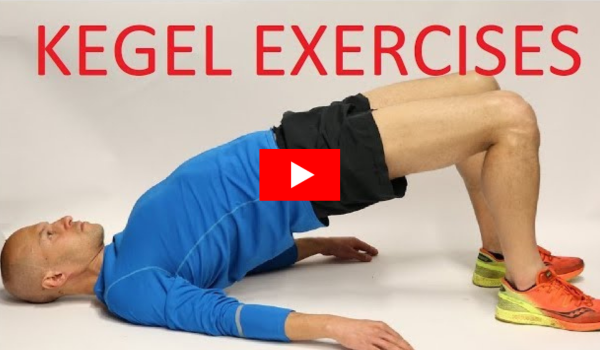

Prostate health is a crucial aspect of male wellness, yet it often goes unnoticed until problems arise. As men age, conditions like Benign Prostatic Hyperplasia (BPH), prostatitis, and even prostate cancer can cause a variety of uncomfortable symptoms.
While medical treatments, such as medications or surgeries, are commonly used, an often-overlooked and simple approach is the practice of Kegel exercises for prostate health.
Though Kegel exercises are widely associated with women, particularly in the context of childbirth recovery and pelvic floor health, men also benefit greatly from this practice.
Strengthening the pelvic floor muscles can help alleviate symptoms of prostate conditions, improve urinary function, enhance sexual health, and even support recovery following prostate surgery.
This detailed guide will explore everything you need to know about Kegel exercises for the prostate from their benefits to step-by-step instructions on how to perform them.
Whether you’re dealing with prostate health issues like BPH, recovering from prostate surgery, or simply looking to maintain optimal pelvic floor health, this article will provide you with the knowledge and tools to improve your well-being.
Understanding the Prostate and Its Health Concerns
The prostate is a small, walnut-shaped gland located just below the bladder and in front of the rectum.
It plays a significant role in male reproductive health by producing fluid that nourishes and transports sperm.
The prostate surrounds the urethra, the tube that carries urine from the bladder through the penis. As such, any issues with the prostate can directly affect urinary and sexual functions.
Common Prostate Conditions
Benign Prostatic Hyperplasia (BPH)
BPH is a non-cancerous enlargement of the prostate that occurs as men age. It can lead to difficulty urinating, frequent urination, and weak urine flow. While not life-threatening, BPH can significantly impact quality of life.
Prostate Cancer
Prostate cancer is one of the most common cancers in men, though many men with early-stage prostate cancer may experience few or no symptoms. However, more advanced stages can lead to urinary difficulties and other complications.
Prostatitis
Prostatitis is inflammation of the prostate, often caused by an infection. It can lead to painful urination, pelvic discomfort, and sometimes fever.
Prostate Surgery Recovery
Men who undergo prostate surgery, such as a prostatectomy (removal of the prostate), often experience changes in bladder control and sexual function during their recovery.
Kegel exercises can help alleviate symptoms of these prostate conditions by strengthening the muscles surrounding the bladder, prostate, and urethra.
These exercises are a non-invasive, easy-to-implement solution for improving prostate health and supporting recovery after surgery or treatment.
What Are Kegel Exercises?
Kegel exercises involve the systematic contraction and relaxation of the pelvic floor muscles. The pelvic floor is a group of muscles that support organs like the bladder, prostate, bowel, and sexual organs.
By strengthening these muscles through Kegel exercises, men can improve their bladder control, enhance erectile function, and promote overall pelvic health.
History of Kegel Exercises
Kegel exercises were first introduced by Dr. Arnold Kegel, a gynecologist, in the 1940s. Dr. Kegel originally designed the exercises to help women strengthen their pelvic floor muscles, particularly after childbirth.
However, it wasn’t long before the benefits for men became apparent as well. Kegel exercises have since been shown to benefit men by improving urinary control, supporting prostate health, and enhancing sexual function.
Although Kegels are often associated with women, men can benefit just as much if not more by incorporating these exercises into their health regimen.
How Kegel Exercises Benefit Prostate Health
Improved Bladder Control
- One of the most significant benefits of Kegel exercises for prostate health is the improvement in bladder control.
- For men with prostate conditions, especially BPH or after prostate surgery, bladder control can become an issue.
- Kegel exercises help strengthen the pelvic floor muscles, which are responsible for controlling urine flow.
- By improving the tone and strength of these muscles, Kegel exercises can help reduce urinary leakage, urgency, and frequency.
Enhanced Urinary Flow
- The prostate is located near the urethra, and as it enlarges, it can press against the urethra, causing a blockage or reduced urine flow.
- By strengthening the pelvic floor muscles, Kegels can reduce the pressure on the urethra, allowing urine to flow more easily.
- This can help alleviate symptoms like weak or interrupted urine flow, a common issue for men with enlarged prostates.
Alleviation of BPH Symptoms
- While Kegel exercises cannot shrink the prostate itself, they can significantly reduce the discomfort associated with Benign Prostatic Hyperplasia (BPH).
- The pelvic floor muscles play a vital role in supporting the bladder and prostate. Strengthening these muscles can alleviate some of the pressure and discomfort caused by an enlarged prostate.
- For many men, regular Kegel exercises help reduce symptoms like frequent urination, weak urinary stream, and the feeling of an incomplete bladder emptying.
Recovery After Prostate Surgery
- Men who undergo prostate surgery, such as a prostatectomy (removal of the prostate), often face temporary challenges with bladder control and sexual function.
- Kegel exercises can aid in recovery by strengthening the pelvic floor muscles, which may have been weakened during surgery.
- These exercises can help improve bladder control, reduce incontinence, and enhance erectile function during the post-operative period.
Improved Sexual Health
- Kegel exercises can also play a role in improving sexual function. By strengthening the pelvic floor muscles, these exercises promote better blood circulation to the pelvic region, which can enhance erectile function and stamina.
- Many men find that regular Kegel exercises can help with erectile dysfunction (ED) and premature ejaculation, leading to improved sexual performance and satisfaction.
Step-by-Step Guide to Performing Kegel Exercises for Prostate Health
For Kegel exercises to be effective, it’s crucial to perform them correctly. Here’s a step-by-step guide to help you get started:
Step 1: Identify the Pelvic Floor Muscles
- The first step in performing Kegel exercises is to locate the pelvic floor muscles. These are the muscles you engage when you stop the flow of urine midstream.
- To find them, try to stop urination while in the middle of the flow. The muscles you use to do this are the pelvic floor muscles you want to target during Kegel exercises
- Be sure to only use these muscles and avoid tightening your abdomen, thighs, or buttocks.
Step 2: Get Into a Comfortable Position
- You can perform Kegel exercises in any position, but it’s easiest to start lying down. Once you become more familiar with the technique, you can perform them while sitting or standing.
- The key is to make sure you’re in a relaxed, comfortable position where you can focus on engaging your pelvic muscles.
Step 3: Contract the Pelvic Floor Muscles
- Tighten your pelvic floor muscles as if you are trying to stop urination or hold in gas. Hold the contraction for about 5 seconds and then relax for 5 seconds.
- As you get stronger, aim to gradually increase the duration of the contraction to 10 seconds.
Step 4: Repeat the Exercise
- Aim for 10-15 repetitions per set, and try to perform at least three sets per day.
- Start with a smaller number of repetitions if you’re new to Kegel exercises, and gradually increase as you become more comfortable.
Step 5: Focus on Proper Form
- When performing Kegel exercises, make sure to focus on the pelvic floor muscles alone. Avoid tightening your abdomen, buttocks, or thighs.
- Breathe normally and try not to hold your breath, as this can cause unnecessary tension in your body.
Tips for Success with Kegel Exercises
To maximize the benefits of Kegel exercises for prostate health, here are a few tips to help you succeed:
1. Be Consistent
Just like any exercise routine, consistency is key. Try to perform Kegel exercises daily to see improvements over time. The more regularly you practice, the better the results you’ll experience.
2. Don’t Overdo It
While it’s important to perform Kegel exercises regularly, avoid overexerting yourself. Start with a small number of repetitions and gradually increase as you build strength. Over-exercising can lead to pelvic floor fatigue and discomfort.
3. Focus on Breathing
Remember to breathe freely during your Kegel exercises. Holding your breath can create unnecessary tension and reduce the effectiveness of the exercise.
4. Incorporate Other Healthy Habits
Kegel exercises are just one component of a healthy lifestyle. Combine them with a balanced diet, regular exercise, and stress management techniques to improve your prostate health and overall wellness.
How Long Does It Take to See Results?
The results of Kegel exercises may vary depending on the individual. Some men may notice improvements in bladder control and prostate symptoms within a few weeks, while others may take a few months.
The key is consistency; regularly practicing Kegel exercises over time will yield the best results.
Other Lifestyle Tips for Prostate Health
In addition to Kegel exercises, several other lifestyle changes can help support prostate health:
- Diet: Eating a balanced diet rich in fruits, vegetables, whole grains, and healthy fats can support prostate health. Foods like tomatoes (rich in lycopene), green tea, and cruciferous vegetables may be particularly beneficial for the prostate.
- Exercise: Regular physical activity can help maintain a healthy weight, reduce inflammation, and promote overall prostate health. Aim for at least 30 minutes of moderate exercise most days of the week.
- Hydration: Staying hydrated is essential for prostate health and urinary function. Drinking plenty of water can help reduce the risk of urinary tract infections and support healthy kidney and bladder function.
- Regular Checkups: Be sure to have regular checkups with your healthcare provider to monitor your prostate health. Early detection of prostate conditions can lead to better outcomes and treatment options.
Conclusion
In conclusion, Kegel exercises for prostate health are a simple yet highly effective way to improve bladder control, reduce symptoms of prostate conditions, and support sexual wellness.
These exercises strengthen the pelvic floor muscles, which play a crucial role in maintaining urinary function and supporting the prostate.
Whether you’re dealing with Benign Prostatic Hyperplasia (BPH), recovering from prostate surgery, or looking to enhance your overall prostate health, regular practice of Kegels can provide significant benefits.
By consistently engaging the pelvic floor muscles through Kegel exercises, you can alleviate issues like frequent urination, weak urine flow, and incontinence.
Additionally, these exercises promote better sexual function, helping men manage erectile dysfunction (ED) and premature ejaculation.
The best part is that Kegel exercises are easy to perform, require no special equipment, and can be done discreetly at any time.
Incorporating Kegel exercises into your daily routine, along with a healthy lifestyle, can help you take control of your prostate health.
As with any exercise program, consistency is key—so start today to enjoy the long-term benefits of improved prostate health and overall well-being.
.