Is Sushi Good for Weight Loss? Expert Guide & Tips
A Complete Guide for Health-Conscious Food Lovers
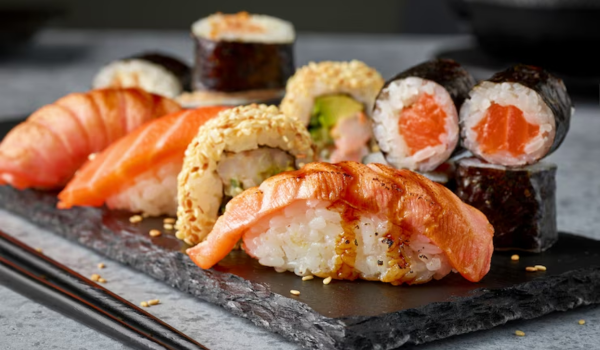
In a world where fad diets come and go, one food item that has stood the test of time among health-conscious eaters is sushi.
With its elegant presentation, fresh ingredients, and low-fat profile, sushi has captured the hearts and stomachs of millions across the globe.
But one important question remains: Is sushi good for weight loss?
What Is Sushi?
Sushi is a traditional Japanese dish that typically consists of vinegared rice (shari), raw or cooked seafood, vegetables, and sometimes seaweed (nori).
While it originated as a method of preserving fish in fermented rice, modern sushi has evolved into a diverse range of culinary styles.
The main types of sushi include:
-
Nigiri – Slices of fish atop a ball of rice
-
Maki – Rolled sushi with rice, fish, and vegetables wrapped in seaweed
-
Sashimi – Thin slices of raw fish without rice
-
Temaki – Hand-rolled cones made of seaweed filled with rice, fish, and vegetables
-
Uramaki – Inside-out rolls where rice is on the outside
Sushi’s versatility makes it popular among vegetarians, seafood lovers, and fitness-conscious diners alike. But is it a weight-loss-friendly food?
Nutritional Profile of Common Sushi Types
Let’s break down the typical nutritional content of popular sushi types. Keep in mind that the values below are average estimates and may vary based on portion size and preparation.
| Sushi Type | Calories (per piece) | Carbohydrates | Protein | Fat | Notes |
|---|---|---|---|---|---|
| Tuna Sashimi | 30-40 kcal | 0g | 7g | 0.5g | Pure protein source, low in fat |
| Salmon Nigiri | 50-70 kcal | 8g | 4g | 2g | Balanced macros, omega-3 rich |
| Cucumber Maki | 20-25 kcal | 5g | 0.5g | 0g | Very low calorie |
| California Roll | 250-300 kcal (6 pcs) | 38g | 9g | 7g | Usually includes mayonnaise |
| Shrimp Tempura Roll | 500+ kcal (6 pcs) | 60g | 13g | 20g | Deep-fried, higher in fat |
| Avocado Roll | 140-160 kcal (6 pcs) | 28g | 2g | 5g | High in healthy fats |
Key Macronutrients in Sushi
-
Protein: Primarily from fish and seafood; essential for muscle maintenance and appetite control
-
Carbohydrates: Mostly from white sushi rice, which can spike insulin if eaten in excess
-
Fats: Generally low, but may include healthy omega-3s from fatty fish or added fat from mayo, sauces, or tempura
Sushi and Weight Loss: What’s the Connection?
The connection between sushi and weight loss lies in calorie control, macronutrient balance, and portion size. Here’s why sushi may be a suitable food for people looking to shed excess weight:

✔ Low-Calorie Options
Sashimi, cucumber rolls, and other veggie-based sushi options are extremely low in calories, making them ideal for low-calorie diets.
For example, six pieces of tuna sashimi contain only about 180–220 calories and are rich in lean protein.
✔ High in Protein
Protein is known to increase satiety and reduce overall calorie intake by curbing appetite.
Fish-based sushi is high in complete proteins, which are crucial for muscle building and metabolism.
✔ Healthy Fats from Fish
Fatty fish like salmon, tuna, and mackerel are rich in omega-3 fatty acids, which not only promote heart health but may also aid fat loss by improving insulin sensitivity.
✔ Portion-Controlled Serving
Most sushi dishes are served in small, pre-portioned sizes (like rolls or nigiri), helping prevent overeating.
Unlike buffet meals or large carb-heavy plates, sushi can help you be mindful of your intake.
✔ Low-Glycemic Index (in moderation)
Although sushi rice is high on the glycemic index, pairing it with protein and fats (like fish or avocado) can moderate the impact on blood sugar levels important for weight management.
The Best Sushi Options for Weight Watchers
If you’re watching your weight and want to include sushi in your diet, here are some of the best choices that are filling, nutrient-rich, and low in unnecessary calories:
Sashimi
Sashimi is one of the top choices for weight loss. With no rice and just lean slices of raw fish, it’s high in protein and nearly carb-free. Try options like:
-
Tuna Sashimi
-
Salmon Sashimi
-
Yellowtail (Hamachi)
-
Mackerel (Saba)
Veggie Rolls (No Mayo)
Vegetable-based maki rolls like cucumber maki, avocado rolls, or carrot rolls are low in calories and fats. Just avoid creamy sauces and fried fillings.
Salmon or Tuna Nigiri
A single nigiri has moderate rice and a protein-rich fish topping. With around 60–70 calories per piece, 4–5 pieces can make for a satisfying, balanced meal.
Seaweed Salad
Seaweed is low in calories and packed with minerals like iodine, which supports thyroid function and metabolism. A great side option with your sushi.
Miso Soup
Often served as a starter, miso soup is low in calories (40–60 kcal per bowl) and high in umami flavor. It can help reduce hunger before your main meal.
Sushi Pitfalls: What to Avoid If You’re Trying to Lose Weight
While sushi can be a fantastic food choice, several traps can make it a hidden source of calories and unhealthy fats.
🌟 Tempura and Deep-Fried Rolls
Anything labeled “crispy,” “tempura,” or “fried” is likely high in trans fats and calories. For example, a shrimp tempura roll can easily reach 500–600 kcal or more.
🌟 Creamy Sauces and Mayo
Spicy mayo, eel sauce, and other condiments are packed with added sugars and fats. Even a teaspoon of spicy mayo can add over 100 calories to your meal.
🌟 Excess White Rice
Sushi rice is seasoned with sugar and vinegar. When consumed in large quantities (especially with uramaki or big rolls), it adds up in refined carbs, which can slow weight loss progress.
🌟 High-Sodium Soy Sauce
Excess salt causes water retention and bloating. Opt for low-sodium soy sauce or tamari if you’re sensitive to salt.
🌟 Overeating “Healthy” Sushi
Even healthy sushi can lead to weight gain if eaten in excess. A single sushi roll (6–8 pieces) can contain anywhere from 200 to 500 calories. Two or three rolls can push you past your daily calorie goals without realizing it.
How to Eat Sushi the Smart Way?
Whether you’re dining out in India’s growing number of Japanese restaurants or making sushi at home, these practical tips will help you enjoy sushi and lose weight at the same time.
✔️ Start with a Soup or Salad – Begin your meal with a light miso soup or a seaweed salad. This helps you feel fuller faster and prevents overeating sushi rolls.
✔️ Choose Brown Rice or Skip Rice Altogether – Some restaurants now offer sushi with brown rice, which contains more fiber and nutrients. Alternatively, opt for sashimi or cucumber-wrapped rolls.
✔️ Stick to One Roll and One Sashimi Plate – Balance your plate with one traditional sushi roll and a side of sashimi. This gives you a mix of carbs, protein, and healthy fats without overloading any one nutrient.
✔️ Watch Your Sauces – Limit or skip creamy sauces, spicy mayo, or sugary glazes. Ask for sauces on the side so you can control the amount.
✔️ Use Chopsticks – Eating with chopsticks encourages slower eating, giving your brain time to register fullness. This simple habit can reduce overall calorie intake.
✔️ Avoid Buffet Sushi – All-you-can-eat sushi may sound tempting, but it’s often a trap. You’ll likely consume much more than intended, both in calories and sodium.
✔️ Drink Water or Green Tea – Skip the sugary beverages. Opt for plain water or unsweetened green tea, which supports digestion and provides antioxidants.
Final Thoughts: Is Sushi Good for Weight Loss?
Yes, sushi can be a great option for weight loss if you make smart choices.
Sushi can be a part of a healthy weight loss diet when chosen wisely. Rich in lean protein, healthy fats, and low-calorie vegetables, sushi supports satiety and balanced eating.
However, be mindful of added sugars in rice, high-calorie sauces, and fried options like tempura. Choosing sashimi, veggie rolls, or brown rice alternatives can enhance its health benefits.
As with any food, moderation and variety are key. With smart choices, sushi can be both delicious and diet-friendly.
.