Is Butter Good For Weight Loss?
Butter, often associated with indulgent pastries and rich comfort foods, has a complicated reputation when it comes to health.
For years, it was demonized due to its high saturated fat content, which many believed contributed to heart disease and weight gain.
But in recent years, butter has seen a resurgence in popularity, particularly among those following low-carb or ketogenic diets, where fats are embraced as an essential macronutrient.
With all the confusion surrounding butter’s place in a weight loss plan, the question arises: Is butter good for weight loss?
Is it possible to enjoy this creamy, delicious spread while still shedding pounds, or is butter a food to be avoided when you’re aiming to slim down?
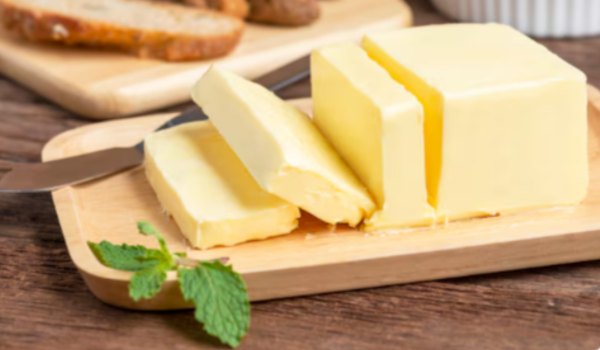
The Nutritional Profile of Butter
To understand how butter fits into a weight loss plan, it’s crucial to first look at its nutritional profile.
Butter is a concentrated source of fat, with very little carbohydrate or protein content. A typical serving size of butter is one tablespoon, which provides:
-
Calories: 100-110
-
Total Fat: 11-12 grams
-
Saturated Fat: 7 grams
-
Monounsaturated Fat: 3 grams
-
Polyunsaturated Fat: 0.5 grams
-
Cholesterol: 31 milligrams
-
Carbohydrates: 0 grams
-
Protein: 0 grams
The main reason butter is controversial in weight loss discussions is its high saturated fat content, which has been linked to increased levels of LDL (bad) cholesterol.
While fat has more calories per gram than carbohydrates or protein, it’s also an essential nutrient that supports various bodily functions, including hormone production, vitamin absorption, and cell structure.
However, it’s not just about the amount of fat; the type of fat matters as well. In butter, most of the fat is saturated, which has sparked debates about its potential effects on heart health and weight.
The Role of Fat in Weight Loss
Butter is high in calories and saturated fats, so it should be consumed in moderation as part of a balanced weight loss diet.
For years, fat was thought to be a major culprit in weight gain. Low-fat diets were promoted as the key to losing weight and maintaining good health.
However, more recent research has challenged this view. Fat plays an important role in the body and can even aid in weight loss when consumed in the right quantities.
✔️ Fat Helps With Satiety
- One of the most significant benefits of dietary fat is its ability to help with satiety, the feeling of fullness after eating.
- Foods high in healthy fats, like avocados, nuts, and yes, butter, help you feel fuller longer, which can prevent overeating and reduce overall calorie intake.
- When you feel satisfied after a meal, you’re less likely to snack on high-calorie, unhealthy foods between meals.
✔️ The Ketogenic and Low-Carb Diets
- In recent years, low-carb and ketogenic diets have gained popularity, and these diets are often centered around the consumption of healthy fats.
- The ketogenic diet, for example, involves significantly reducing carbohydrate intake and replacing it with fat to encourage the body to enter a state of ketosis, where it burns fat for fuel instead of carbohydrates.
✔️ Supporting Metabolism and Fat Burning
- Saturated fats, like those found in butter, have also been shown to increase metabolic rate and support fat-burning processes.
- While more research is needed, some studies suggest that moderate consumption of saturated fats may help the body burn more fat, particularly during periods of physical activity.
Butter vs. Other Fats: Is It the Best Option?
While butter contains beneficial fats, it’s essential to consider how it stacks up against other sources of fat.
There are various types of fats, each with its impact on health and weight loss, and choosing the right ones is key to success.
Butter vs. Olive Oil
- Olive oil is often considered one of the healthiest fats due to its high content of monounsaturated fat, which has been shown to support heart health, reduce inflammation, and promote weight loss.
- Compared to butter, olive oil is a better option for those looking to reduce their intake of saturated fat while still enjoying the benefits of fat in their diet.
Butter vs. Coconut Oil
- Coconut oil is another popular fat source that has gained attention due to its medium-chain triglycerides (MCTs), which are quickly converted into energy by the body.
- MCTs are believed to help with fat loss, as they increase calorie expenditure and fat oxidation.
- While coconut oil may have certain advantages, butter can still fit into a balanced diet, especially if you prefer its taste and texture.
Butter in Moderation
- The key takeaway here is that butter can be a part of a healthy diet, but it should not be the only fat source you rely on.
- Including a variety of fats such as olive oil, avocado, nuts, and seeds can provide a better balance of omega-3s, monounsaturated fats, and other essential nutrients.
- Consuming butter in moderation, alongside these healthier fat sources, can contribute to overall health and weight loss.
How Butter Affects Blood Sugar and Insulin Sensitivity?
One of the more crucial factors in weight loss is blood sugar regulation. Fluctuating blood sugar levels can trigger hunger, cravings, and insulin resistance, all of which hinder weight loss.
Insulin is a hormone that helps regulate blood sugar levels and signals the body to store fat. High insulin levels often encourage fat storage, especially around the abdominal area.
Low-Carb Diets and Blood Sugar Regulation
When consumed in moderation and as part of a low-carbohydrate or ketogenic diet, butter can help regulate blood sugar levels.
Since butter contains no carbohydrates, it doesn’t cause spikes in blood sugar.
Additionally, the fats in butter can help slow the absorption of carbohydrates, preventing rapid rises in blood glucose.
Insulin Sensitivity
Some studies suggest that replacing refined carbohydrates with healthy fats can improve insulin sensitivity.
Insulin sensitivity refers to how effectively the body responds to insulin, and improving it is essential for weight loss and reducing the risk of type 2 diabetes.
Butter, when consumed in moderation as part of a balanced diet, may contribute to better insulin sensitivity.
The Role of Saturated Fats in Weight Loss
Saturated fats have long been vilified due to concerns about their impact on heart health.
However, recent research has questioned these assumptions, suggesting that moderate consumption of saturated fats may not be as harmful as previously thought.
Misconceptions About Saturated Fats
Saturated fats are often considered “bad” fats, but new research is challenging that narrative.
A number of studies have shown that the relationship between saturated fat and heart disease is not as straightforward as once believed.
Moderate intake of saturated fats, such as those found in butter, may have little to no effect on heart disease risk for most individuals.
The Importance of Balance
What’s more important than avoiding saturated fats altogether is balancing your intake of fats.
Consuming too much of any type of fat, including healthy fats, can lead to excessive calorie intake and hinder weight loss.
The key is moderation. A balanced diet that includes a variety of fat sources, monounsaturated, polyunsaturated, and saturated fats, can support weight loss without negatively impacting health.
Butter and Hormonal Balance
Hormonal balance plays a significant role in weight loss, and dietary fat is essential for the production of hormones like estrogen, testosterone, and cortisol.
These hormones influence various functions in the body, including metabolism, fat storage, and hunger regulation.
Butter and Leptin
- Leptin is a hormone that helps regulate hunger and signals to the brain when you’ve had enough to eat.
- When leptin levels are balanced, it becomes easier to control food intake and maintain a healthy weight.
- Consuming healthy fats like those found in butter can support the production of leptin, helping to regulate hunger and improve satiety.
Butter and Thyroid Function
- The thyroid gland produces hormones that regulate metabolism. Adequate fat intake is essential for optimal thyroid function.
- Butter, with its fat content, supports hormone production and may help maintain metabolic function, aiding in weight loss.
How to Include Butter in a Weight Loss Plan?
If you love butter but are worried about its impact on your weight loss goals, there are ways to include it in your diet without sabotaging your progress.
Here are some tips for incorporating butter into a healthy weight loss plan:
Use Butter in Moderation
- The key to enjoying butter while losing weight is moderation.
- A small pat of butter on vegetables or a tablespoon added to a dish can provide flavor and satisfy cravings without overloading you with calories and saturated fat.
Pair Butter with Nutrient-Dense Foods
- To make the most of butter’s benefits, pair it with whole, nutrient-dense foods like vegetables, lean proteins, and whole grains.
- This ensures you get a balance of macronutrients and micronutrients, supporting weight loss while still enjoying the richness of butter.
Choose Grass-Fed Butter
- Grass-fed butter is a better choice for those concerned about the nutritional quality of their fats.
- Grass-fed butter contains higher levels of omega-3 fatty acids and vitamin K2, which are beneficial for heart health and may support weight loss.
Conclusion: Is Butter Good for Weight Loss?
In conclusion, butter can be part of a healthy, weight-loss-friendly diet when consumed in moderation.
While it’s high in saturated fat, it also offers benefits such as improved satiety, blood sugar regulation, and support for metabolic function.
The key is not to overconsume butter, but to incorporate it into a balanced diet that includes a variety of fats, proteins, and whole foods.
If you’re following a low-carb or ketogenic diet, butter may even play a more significant role in your weight loss journey. However, it’s essential to focus on overall calorie intake and maintain a balanced approach to nutrition.
Butter is not the enemy of weight loss, but like any food, it should be enjoyed in moderation. So go ahead, savor that pat of butter on your vegetables, but be mindful of your portion sizes and the rest of your diet. With the right balance, butter can certainly be a part of your weight loss strategy.
.
.
.
.
.