GLP-1 Recipes for Weight Loss – Simple Healthy Meals
GLP-1 Recipes For Weight Loss? (🔥 Instant Comfort Meals!) Support Appetite Control, Boost Metabolism & Promote Healthy Weight Loss
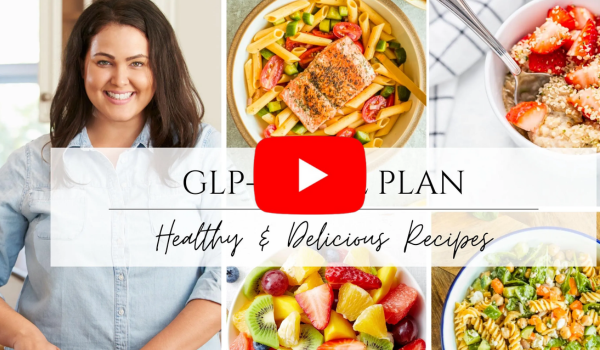

In recent years, the landscape of weight loss has shifted dramatically. What used to rely heavily on strict calorie counting and fad diets is now guided by cutting-edge science, particularly the role of hormones in regulating hunger, digestion, and appetite.
One of the most influential hormones in this new approach is GLP‑1 (glucagon-like peptide-1), a naturally occurring gut hormone that plays a key role in controlling appetite and promoting fullness.
GLP‑1 has become central to modern weight-loss strategies not just through medications like semaglutide or tirzepatide, but also through diet.
By understanding how to eat in a way that naturally stimulates GLP‑1, you can better manage hunger, stabilize blood sugar, and support sustainable weight loss.
Whether you’re using GLP‑1-based therapies or simply want to optimize your meals for appetite control, this guide will provide everything you need to succeed.
What Is GLP-1?
GLP-1 is part of a group of hormones known as incretins. These hormones are released from the gut after you eat, especially when your meal contains carbohydrates, fiber, protein, or healthy fats.
Once released, GLP-1 sends signals to multiple organs, including:
-
The brain
-
The pancreas
-
The stomach
-
The liver
Together, these signals help regulate how much you eat, how full you feel, and how efficiently your body handles glucose.
The Science Behind GLP-1 and Weight Regulation
To understand why “GLP-1 recipes” are more than just a buzzword, let’s dig into the science.
The hormone GLP-1 interacts with your body on several fronts:
Appetite and Brain Signaling
GLP-1 activates receptors in areas of the brain that regulate hunger. When GLP-1 levels are upregulated, the brain receives stronger signals of satiety, reducing the likelihood of overeating.
This is one reason why people taking GLP-1 medications often report a significant drop in appetite.
Gastric Emptying and Fullness
By slowing the movement of food from the stomach into the small intestine, GLP-1 prolongs feelings of fullness after a meal.
This means you’re less likely to snack soon after eating and can maintain steady energy levels.
Blood Sugar Control
GLP-1 also affects insulin and glucagon hormones that regulate blood sugar.
When blood sugar spikes after eating, GLP-1 helps the body enhance insulin secretion and suppress glucagon, stabilizing glucose levels and preventing large hunger swings driven by blood-sugar crashes.
Gut Microbiome and Endogenous GLP-1
Emerging research suggests that eating certain types of fiber and resistant starch feeds gut bacteria in ways that can increase natural GLP-1 production.
This links dietary quality directly to hormone responses that influence hunger and weight.
In other words, the food you choose affects not just your calorie intake it affects the hormonal signals that tell your brain when and how much to eat.
How GLP-1 Controls Appetite?
One of the most powerful effects of GLP-1 is its ability to reduce hunger.
-
GLP-1 acts on the hypothalamus, the appetite-control center of the brain.
-
It increases feelings of fullness (satiety).
-
It reduces food cravings and the urge to overeat.
-
It helps suppress “reward-driven” eating, especially for high-sugar and high-fat foods.
When GLP-1 levels are elevated after a meal, you naturally feel satisfied with smaller portions, which leads to reduced calorie intake without conscious restriction.
GLP-1 and Gastric Emptying
GLP-1 also slows down gastric emptying, which is the rate at which food moves from the stomach into the small intestine.
This slower digestion means:
-
Food stays in the stomach longer
-
Fullness lasts longer
-
Blood sugar rises more gradually
-
Hunger returns more slowly
This mechanism is especially important for weight loss because rapid digestion often leads to spikes and crashes in blood sugar, triggering hunger and cravings soon after eating.
GLP-1 and Blood Sugar Regulation
GLP-1 plays a key role in glucose metabolism, which is tightly linked to weight gain and fat storage.
It helps by:
-
Stimulating insulin release when blood sugar rises
-
Suppressing glucagon (a hormone that raises blood sugar)
-
Improving insulin sensitivity
Stable blood sugar levels mean fewer energy crashes, less emotional eating, and reduced fat storage all critical for effective weight management.
GLP-1’s Role in Fat Storage and Metabolism
Chronic blood sugar spikes and insulin resistance promote fat storage, particularly around the abdomen. GLP-1 helps counteract this by:
-
Improving insulin efficiency
-
Reducing excess glucose conversion into fat
-
Supporting healthier metabolic signaling
Over time, consistent GLP-1 stimulation through diet can improve metabolic flexibility, allowing the body to use stored fat more efficiently for energy.
Why GLP-1 Matters More Than Calories Alone?
Traditional weight loss advice focuses heavily on calorie counting, but GLP-1 explains why hormones matter more than willpower.
Two meals with the same calories can have very different effects on GLP-1:
-
A refined-carb meal may increase hunger soon after eating
-
A fiber- and protein-rich meal can boost GLP-1 and suppress appetite for hours
This is why GLP-1–supportive diets often lead to natural calorie reduction without feeling deprived.
Benefits
- Better appetite awareness: GLP-1 meals train you to recognize true hunger vs emotional cravings. Over time, you naturally eat when your body needs fuel not out of habit or stress.
- Improved blood sugar stability: Protein + fiber meals prevent energy crashes and sugar spikes. Stable blood sugar reduces fatigue, mood swings, and late-night snacking.
- Muscle protection during weight loss: High-protein recipes help preserve lean muscle mass. This keeps your metabolism stronger while the scale goes down.
- Reduced digestive discomfort : Balanced, smaller meals are easier on digestion important for people adjusting to GLP-1 therapy.
- More consistent energy: Instead of feeling sluggish, nutrient-dense meals provide steady fuel throughout the day.
- Less emotional eating: Structured meals reduce impulsive decisions and binge cycles.
- Sustainable eating habits: These recipes teach portion awareness and smart food choices that last beyond medication.
GLP‑1 Recipes for Weight Loss
- Focus on Appetite Control–These recipes are designed to naturally stimulate GLP‑1, the hormone that signals fullness to your brain, helping reduce hunger and overeating.
- High in Protein-Includes lean meats, eggs, fish, legumes, or dairy to keep you full and maintain muscle while losing fat.
- Rich in Fiber- Uses vegetables, fruits, whole grains, and beans to slow digestion, feed gut bacteria, and enhance GLP‑1 release.
- Incorporates Healthy Fat -Adds nuts, seeds, avocado, or olive oil to prolong satiety and stabilize blood sugar.
- Includes Resistant Starch or Prebiotics –Foods like lentils, beans, oats, or cooled potatoes feed gut bacteria, which can boost natural GLP‑1 production.
- Low in Added Sugar & Refined Carbs-Keeps blood sugar stable, preventing cravings and unnecessary snacking.
- Balanced Meals–Combines protein, fiber, and healthy fats in each meal to maximize fullness and support weight loss sustainably.
Additional GLP-1 Tips
- Eat protein first at every meal- Start meals with protein to trigger fullness hormones early, reduce overeating, stabilize blood sugar, and support muscle during weight loss.
- Slow your eating pace intentionally- Take small bites and chew well. GLP-1 slows digestion, and eating slowly prevents discomfort while helping your brain register fullness sooner.
- Build meals around fiber-rich foods- Vegetables, beans, and seeds add volume without excess calories, improve digestion, and help you stay satisfied longer between meals.
- Hydrate consistently through the day- Drinking water supports appetite control, digestion, and energy. Mild hydrate can feel like hunger and lead to unnecessary snacking.
- Choose simple, repeatable meals- Routine meals reduce decision fatigue and emotional eating. Consistency helps weight loss feel automatic instead of stressful.
- Stop eating at comfortable satisfaction- Aim to feel satisfied, not full. GLP-1 signals fullness earlier respecting that signal prevents nausea and overeating.
Final Thoughts
“GLP-1 recipes” are more than a trend they’re a science-based way of eating that naturally supports appetite regulation, blood sugar control, and long term weight management.
By focusing on meals rich in protein, fiber, healthy fats, and smart carbohydrates, you can harness your body’s own hormonal signals to stay fuller longer, enjoy delicious food, and lose weight without feeling deprived.
Whether you’re working with medications or not, the strategies and delicious recipes above give you a clear roadmap to success. .
.