Edema Fluid Drainage and Swelling Ankles: How to Reduce It
Edema Fluid Drainage and Swelling Ankles (🔥INSTANT COMFORT!) Reduces Swelling, Eases Stiffness, Relaxes Muscles, and Supports Long Sitting.
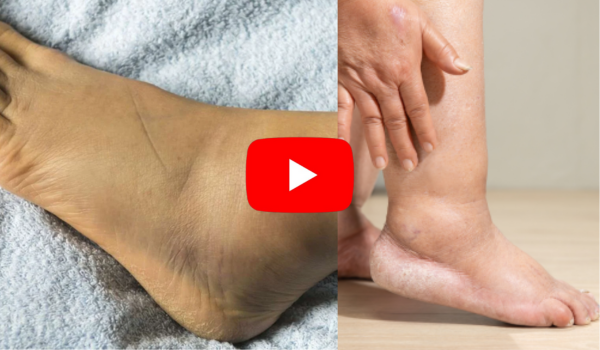

Swelling in the ankles, also known as edema, is a common condition that affects people of all ages. It occurs when excess fluid collects in the tissues of the lower legs, causing puffiness, heaviness, and discomfort.
Factors like prolonged sitting or standing, poor circulation, high sodium intake, or underlying health conditions can contribute to fluid buildup.
Edema not only affects appearance but can also make walking, standing, and daily activities uncomfortable.
Fortunately, edema fluid drainage techniques, including leg elevation, compression therapy, muscle movement, gentle massage, proper hydration, and dietary adjustment,s can effectively reduce swelling and improve circulation.
In this guide, we will explore what ankle swelling is, how edema fluid drainage works, the science behind it, effective methods to manage swelling, benefits, tips, and natural remedies to keep your legs healthy and comfortable.
What Is Edema and Swelling in the Ankles?
Edema, fluid drainage, and swelling in the ankles happen when excess fluid builds up in the tissues of your ankles, making them look puffy, feel heavy, tight, or uncomfortable.
This swelling can occur because blood and lymph fluid are not flowing properly, often due to gravity, weak veins, prolonged sitting or standing, or health conditions affecting the heart, kidneys, or liver.
Edema fluid drainage refers to the ways you can help your body remove this extra fluid, such as elevating your legs, wearing compression socks, moving your muscles, or receiving a gentle massage, which reduces swelling, improves circulation, and eases discomfort.
How does edema fluid drainage and swelling in the ankles work?
When your ankles swell, it’s because extra fluid is building up in the tissues. Normally, your blood vessels and lymphatic system carry fluid through your body, keeping a balance.
But sometimes, fluid gets trapped in the lower legs, often due to gravity, weak veins, long periods of sitting or standing, or health issues affecting the heart, kidneys, or liver.
Edema fluid drainage works by helping this trapped fluid move back into the bloodstream, so your body can remove it naturally. Here’s how it happens:
Leg Elevation
- Raising your legs above heart level uses gravity to move excess fluid back toward the heart. This reduces ankle swelling, eases heaviness, relieves pressure in the lower legs, and improves overall comfort, especially after long periods of sitting or standing.
Compression Therapy
- Wearing compression socks or wraps applies gentle, consistent pressure to the lower legs, helping veins and lymph vessels push trapped fluid upward.
- This improves circulation, reduces puffiness, prevents fluid from pooling, and supports long-term ankle health.
Muscle Movement
- Walking, calf raises, or ankle exercises activate the natural muscle pump, forcing fluid from swollen ankles back into the bloodstream.
- Regular movement prevents fluid accumulation, reduces swelling, eases stiffness, and enhances mobility in the lower legs.
Manual Lymphatic Drainage
- Gentle, specialized massage stimulates lymphatic flow, helping guide excess fluid away from the ankles.
- This reduces swelling, promotes natural drainage, eases discomfort and stiffness, and supports overall leg health by improving circulation.
Hydration and Diet
- Drinking enough water and limiting excessive salt intake helps the body maintain proper fluid balance.
- Staying hydrated and following a balanced diet prevents fluid retention, reduces ankle swelling, and supports healthy circulation and overall well-being.
The Science Behind Edema and Ankle Swelling
Edema occurs when excess fluid collects in the tissues, especially in the ankles, due to impaired circulation or lymphatic drainage.
The lower legs are most affected because gravity pulls fluid down when you stand or sit for long periods.
Venous Pressure
- Veins in the legs return blood to the heart. When veins are weak or damaged, pressure increases, causing fluid to leak into surrounding tissues. This leakage leads to ankle swelling, heaviness, and discomfort over time.
Lymphatic System
- The lymphatic system removes excess fluid from tissues. If lymph flow is slow, blocked, or insufficient, fluid builds up in the lower legs. This accumulation causes puffiness, stiffness, and increases the risk of chronic swelling in the ankles.
Capillary Permeability
- Inflammation, injury, or irritation makes tiny blood vessels leaky. This allows fluid and proteins to escape into the surrounding tissues, resulting in localized swelling and ankle discomfort that worsens with prolonged standing or sitting.
Sodium and Fluid Balance
- High salt intake or poor hydration affects the body’s fluid balance. Excess sodium causes the body to retain water, while low water intake concentrates fluids in tissues. Both factors contribute to ankle swelling and fluid retention.
Muscle Pump Function
- The calf muscles act as a natural pump, pushing blood and fluid back toward the heart. Lack of movement or prolonged sitting reduces this pumping action, causing fluid to pool in the ankles, increasing swelling, heaviness, and discomfort.
Scientific consensus confirms that combining physical techniques (elevation, compression, exercise) with lifestyle adjustments offers the most effective relief for ankle edema.
How to Use Edema Fluid Drainage Techniques Effectively?
Managing ankle swelling requires consistent and correct use of fluid drainage techniques. Using them properly can reduce swelling, relieve discomfort, and improve circulation. Here’s how to apply them effectively:
Leg Elevation
- Lie down and raise your legs above heart level using a pillow or ottoman. Keep them elevated for 20–30 minutes, 2–3 times daily.
- This uses gravity to help fluid flow back to the upper body. Avoid crossing your legs during elevation.
Compression Therapy
- Wear compression socks or stockings that fit snugly but are not too tight. Graduated compression helps veins and lymph vessels push fluid upward.
- Remove at night unless advised by a doctor. Proper fit is essential to prevent circulation problems.
Manual Lymphatic Drainage (MLD)
- This gentle massage technique stimulates lymph flow. Performed by a trained professional, it uses rhythmic strokes to move excess fluid from the ankles toward lymph nodes, helping reduce swelling.
Exercise and Movement
- Simple exercises like ankle pumps, calf raises, walking, or stretching activate the calf muscle pump, pushing fluid from the lower legs back to the heart.
- Even short breaks every hour help if you sit or stand for long periods.
Hydration and Diet
- Maintain proper hydration to support fluid balance and reduce retention. Limit excess salt, which can cause water retention, and eat potassium-rich foods like bananas, spinach, and avocados to naturally regulate fluids.
Consistency is Key
- Combining these methods daily ensures maximum effectiveness. Regular use prevents fluid from pooling and keeps your ankles less swollen, more flexible, and more comfortable.
Benefits of Edema Fluid Drainage for Swollen Ankles
Edema fluid drainage is more than just reducing puffiness; it improves comfort, circulation, and overall leg health.
Proper drainage techniques help move excess fluid from swollen ankle tissues, easing discomfort and supporting long-term wellness.
- Reduces Swelling Quickly: Techniques like leg elevation, compression, and movement help fluid return to the bloodstream, visibly decreasing ankle puffiness and heaviness.
- Relieves Pain and Discomfort: Swollen ankles often feel tight, achy, or stiff. Fluid drainage eases this pressure, improves flexibility, and allows smoother movement.
- Improves Circulation: Elevation, compression, and exercise stimulate blood flow and lymphatic drainage, reducing fluid retention and supporting healthy veins.
- Supports Mobility and Daily Activities: Reduced swelling and improved circulation make walking, standing, and other daily activities easier and less tiring.
- Prevents Long-Term Complications: Consistent fluid management lowers the risk of chronic venous insufficiency, skin changes, and infections caused by prolonged edema.
- Enhances Comfort During Prolonged Sitting or Standing: For people who spend long hours on their feet or at a desk, edema fluid drainage prevents fluid accumulation and minimizes ankle heaviness.
Ingredients to Reduce Swelling in Ankles
-
Water: Proper hydration is the simplest and most important “ingredient” to prevent fluid retention and maintain healthy circulation.
-
Potassium-Rich Foods: Bananas, spinach, sweet potatoes, and avocados help balance sodium levels in the body and naturally reduce water retention.
-
Magnesium-Rich Foods: Nuts, seeds, whole grains, and leafy greens support fluid balance and can help reduce swelling.
-
Herbal Ingredients:
-
Ginger: Anti-inflammatory properties that reduce swelling and improve circulation.
-
Turmeric: Contains curcumin, which reduces inflammation and fluid buildup.
-
Dandelion: Acts as a natural diuretic to help the body remove excess water.
-
-
Omega-3 Fatty Acids: Found in fish like salmon, flaxseeds, and chia seeds, they reduce inflammation and improve blood flow.
-
Cucumber & Celery: High water content and natural diuretic properties help flush excess fluids from the body.
-
Green Tea: Antioxidants and mild diuretic effects help reduce water retention and swelling.
-
Garlic: Improves circulation and has anti-inflammatory properties, which can help ease fluid buildup.
Additional Tips for Managing Ankle Swelling
To maximize edema relief and prevent recurrence, follow these practical tips:
- Maintain an Active Lifestyle: Engage in regular physical activities like walking, swimming, cycling, or light leg exercises. Consistent movement helps your muscles pump fluid back toward the heart, preventing fluid from pooling in the ankles.
- Avoid Prolonged Immobility: Sitting or standing for long periods slows circulation, allowing fluid to accumulate. Take short breaks every hour to stretch your legs, do ankle pumps, or walk around to encourage blood and lymph flow.
- Choose Supportive Footwear: Comfortable, well-fitting shoes reduce pressure on your ankles and feet. Avoid tight or high-heeled shoes that restrict blood flow, as proper footwear supports circulation and prevents additional swelling.
- Monitor Weight and Diet: Excess body weight increases pressure on veins, worsening swelling. A balanced diet with reduced sodium, adequate hydration, and potassium-rich foods helps maintain healthy fluid balance and supports natural drainage.
- Consult Your Doctor: Persistent, painful, or severe swelling may signal underlying health issues such as heart, kidney, or liver problems. Early medical evaluation ensures proper treatment and prevents complications.
- Extra Tips for Everyday Care: Elevate your legs whenever possible, wear compression socks if recommended, and avoid crossing your legs for long periods. Small lifestyle adjustments make a big difference in managing ankle edema.
Final Thoughts
Edema fluid drainage and swelling in the ankles are common iissues but with proper understanding and management, they can be effectively controlled.
By combining techniques such as leg elevation, compression therapy, movement, and dietary adjustments, you can significantly reduce swelling, Blood balanced, improve comfort, and support long-term leg health.
Science supports the effectiveness of these approaches, highlighting the importance of circulation, lymphatic drainage, and fluid balance in managing edema.
Addressing ankle swelling is more than just an aesthetic cconcernn it is essential for mobility, comfort, and overall health.
Consistent practice of these techniques, along with professional guidance when necessary, ensures that your ankles remain healthy, flexible, and free from the discomfort of fluid accumulation.
.
.
.