Baking Soda on Gray Hair – Benefits, Uses & Safety
Baking Soda on Gray Hair (🔥INSTANT RESULTS!) Cleans buildup, enhances shine, and refreshes dull gray hair naturally for a healthier look.
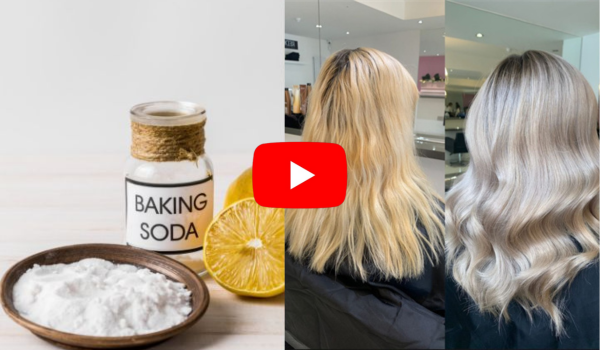

Gray hair is a natural part of aging, but for many people, it appears earlier than expected. Stress, genetics, nutritional deficiencies, and lifestyle factors all play a role in premature graying.
As a result, people search for natural, affordable, and chemical-free solutions to manage gray hair. One remedy that frequently comes up in discussions is baking soda for gray hair.
Baking soda is a common household ingredient known for its cleansing, deodorizing, and exfoliating properties.
Some believe it can restore natural hair color, reduce yellow tones, or improve overall hair health. But does baking soda really work on gray hair, or is it just another internet myth?
This comprehensive guide explores everything you need to know about baking soda on gray hair, including how it works, potential benefits, risks, scientific explanations, proper usage methods, and realistic expectations.
What Is Baking Soda?
Baking soda, scientifically known as sodium bicarbonate, is a white crystalline powder commonly used in cooking, cleaning, and personal care.
It has an alkaline nature, which allows it to neutralize acids and remove buildup effectively.
Properties of Baking Soda
-
Mild abrasive for exfoliation
-
Natural cleanser that removes residue
-
Odor neutralizer
-
pH balancing agent
-
Oil-absorbing compound
Because of these properties, baking soda has been used in toothpaste, deodorants, face masks, and hair cleansing treatments.
Why People Use Baking Soda on Gray Hair?
The growing interest in baking soda on gray hair comes from the desire to avoid chemical dyes and embrace natural hair care solutions.
Many people claim that baking soda helps manage gray hair by improving hair texture, reducing discoloration, and enhancing shine.
Popular Claims About Baking Soda on Gray Hair
-
Removes yellow or dull tones from gray hair
-
Makes gray hair appear brighter and cleaner
-
Slows the appearance of new gray strands
-
Restores natural hair color over time
-
Cleans scalp and unclogs hair follicles
While some of these claims are exaggerated, baking soda does have certain effects on hair that can influence the appearance of gray strands.
How to Use Baking Soda on Gray Hair Safely?
Using baking soda correctly is essential to avoid damage and achieve the best results.
Baking Soda and Water Method
- Mix a small amount of baking soda with water to form a paste. Apply gently to the scalp and hair, focusing on areas with buildup. Massage lightly and rinse thoroughly.
Baking Soda with Natural Conditioners
- To reduce dryness, baking soda can be mixed with moisturizing ingredients like coconut oil, aloe vera, or honey.
Baking Soda Rinse for Gray Hair
- A diluted baking soda rinse can help remove residue without harsh scrubbing. Always follow with a moisturizing rinse to restore balance.
Frequency of Use
- Baking soda should not be used more than once or twice a month on gray hair. Overuse can cause long-term damage.
Baking soda may be suitable for certain individuals under specific conditions.
Suitable For
-
People with product buildup on gray hair
-
Those exposed to pollution or hard water
-
Individuals seeking occasional deep cleansing
-
People are avoiding chemical shampoos
Not Suitable For
-
Very dry or damaged gray hair
-
Sensitive or irritated scalps
-
Color-treated or chemically processed hair
-
People with eczema or scalp conditions
Long-Term Hair Care Tips for Gray Hair
Instead of relying solely on baking soda, a holistic hair care approach works best for managing gray hair.
Maintain Proper Nutrition
- Adequate intake of vitamins and minerals supports hair health. Nutrients like vitamin B12, iron, zinc, and copper play a role in pigmentation.
Reduce Oxidative Stress
- Managing stress, getting enough sleep, and avoiding smoking can slow premature graying.
Use Gentle Hair Products
- Choose mild cleansers and conditioners designed for gray hair to maintain moisture and shine.
Regular Scalp Care
- Massaging the scalp improves circulation and supports healthy hair follicles.
Dryness and Brittleness
- Gray hair is already drier than pigmented hair. Baking soda’s alkaline nature can strip natural oils, making hair dry and brittle.
Scalp Irritation
- Sensitive scalps may experience itching, redness, or irritation when baking soda is applied directly.
Cuticle Damage
- Repeated use can damage the hair cuticle, leading to frizz, split ends, and breakage.
Color Changes
- If hair is dyed, baking soda can fade or alter the color, making it uneven or dull.
Final Thoughts
Baking soda on gray hair is best understood as a cleansing and appearance-enhancing treatment, not a cure for graying. It can help remove buildup, brighten gray strands, and improve scalp cleanliness when used sparingly and correctly.
However, baking soda does not reverse gray hair, restore pigment, or stop the aging process. Overuse can cause dryness, damage, and irritation, especially for gray hair, which is naturally more fragile.
For long-term gray hair care, focus on nutrition, gentle hair products, stress management, and scalp health. Baking soda can be an occasional addition to your routine, but it should never replace a balanced and moisturizing hair care regimen.
By setting realistic expectations and using baking soda responsibly, you can enjoy its benefits without compromising the health of your gray hair.
.
.
.
.