Are Green Beans Good For Weight Loss?
Green Beans – When it comes to weight loss, finding foods that are not only nutritious but also delicious can be a challenge.
Green beans might not always be the first food that comes to mind, but they have been gaining attention as a potential aid for weight loss.
Packed with fiber, vitamins, and minerals, green beans offer a variety of health benefits. In this comprehensive guide, we’ll explore the reasons why green beans may be an excellent addition to your weight loss journey.
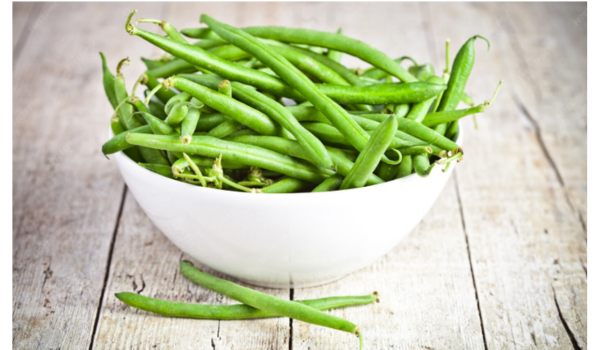
The Nutritional Powerhouse of Green Beans
Yes, green beans are low in calories, high in fiber, and packed with nutrients, making them great for weight loss.
Green beans, also known as string beans or snap beans, are a popular vegetable that can be enjoyed in a variety of dishes. But what makes them so special when it comes to weight loss?
One of the most notable characteristics of green beans is their impressive nutritional profile. A single cup (about 125 grams) of cooked green beans contains only about 44 calories, making them a low-calorie food choice.
Additionally, they are an excellent source of dietary fiber, which can help with satiety and digestion.
Here’s a breakdown of the nutrients in green beans that are especially beneficial for weight loss:
-
Calories: 44 per 1 cup cooked
-
Fiber: 4 grams per cup
-
Protein: 2 grams per cup
-
Carbohydrates: 10 grams per cup
-
Vitamins & Minerals: Vitamin C, Vitamin A, folate, potassium, and iron
With their low-calorie content and rich nutrient profile, green beans are a great food to incorporate into any weight loss plan.
Green Beans and Their Role in Satiety
One of the most important aspects of a successful weight loss program is staying full and satisfied throughout the day.
Many people struggle with hunger while cutting calories, leading to overeating or choosing unhealthy snacks. This is where green beans can make a difference.
Green beans are an excellent source of fiber, with approximately 4 grams per cup. Fiber is a key player in promoting satiety, which helps you feel fuller for longer. This reduces the likelihood of overeating and contributes to better portion control.
When you eat fiber-rich foods like green beans, the fiber absorbs water and expands in your stomach, creating a feeling of fullness.
This helps curb your appetite and prevents unnecessary snacking between meals. Additionally, fiber aids in regulating blood sugar levels, which can help avoid energy crashes that may lead to cravings.
Low-Calorie, High Nutrient Content for Weight Loss
-
Low in Calories: Green beans contain only 44 calories per cup, making them ideal for a calorie deficit without overconsumption.
-
Nutrient-Dense: Despite their low calorie content, green beans provide essential vitamins and minerals, ensuring nutritional needs are met.
-
Rich in Vitamin C: Supports immune function and skin health.
-
High in Vitamin A: Crucial for maintaining eye health.
-
Packed with Antioxidants: Helps protect cells from oxidative stress, linked to aging and disease prevention.
Green Beans as a Low-Glycemic-Index Food
When it comes to weight loss, the glycemic index (GI) is an important factor to consider. The glycemic index measures how quickly a carbohydrate-containing food raises blood sugar levels.
Foods with a high GI cause rapid spikes in blood sugar, which can lead to insulin resistance, weight gain, and other health issues. On the other hand, foods with a low GI are digested more slowly, helping to keep blood sugar levels stable.
Green beans have a low glycemic index, meaning they have a minimal impact on blood sugar levels. This makes them an excellent choice for anyone looking to manage their blood sugar and reduce cravings.
The fiber content in green beans also helps slow the absorption of sugar, promoting better blood sugar control and preventing the energy crashes that often lead to overeating.
Incorporating low-GI foods like green beans into your diet can help you maintain a steady level of energy throughout the day, making it easier to stick to your weight loss goals.
The Role of Green Beans in a Balanced Diet
-
Supports a Balanced Diet: Green beans contribute to a well-rounded weight loss plan when combined with other nutrient-dense foods.
-
Increases Nutritional Value: Adds essential vitamins and minerals to meals, enhancing overall nutrition.
-
Versatile in Meals: Perfect for salads, stir-fries, casseroles, and more, offering endless meal options.
-
Plant-Based Protein: Provides plant protein that supports muscle health.
-
Helps Maintain Lean Muscle: Muscle burns more calories than fat, so keeping muscles strong aids weight loss efforts.
Green Beans and Digestion
Proper digestion is an often-overlooked factor in successful weight loss. If your digestive system is not functioning optimally, it can slow down your metabolism and make it more difficult to shed unwanted pounds. Fortunately, green beans can help support your digestive health.
As mentioned earlier, green beans are high in fiber. This fiber promotes healthy digestion by adding bulk to stool and aiding in regular bowel movements.
Fiber also supports the growth of beneficial gut bacteria, which play a crucial role in maintaining a healthy gut microbiome.
A balanced gut microbiome has been linked to improved digestion, better metabolism, and even weight management.
Incorporating green beans into your diet can help prevent constipation and support overall gut health, making it easier for your body to process food and absorb nutrients effectively.
Green Beans in Weight Loss Recipes
If you’re wondering how to include green beans in your diet for weight loss, there are plenty of creative ways to do so. Here are a few healthy recipe ideas to get you started:
-
Green Bean Salad with Lemon Vinaigrette: Combine blanched green beans with cherry tomatoes, red onion, and a light lemon vinaigrette for a refreshing and satisfying salad.
-
Sautéed Green Beans with Garlic: Sauté green beans with olive oil, garlic, and a pinch of salt for a simple yet flavorful side dish.
-
Green Bean Stir-Fry: Stir-fry green beans with other colorful vegetables like bell peppers, carrots, and broccoli for a nutrient-packed meal.
-
Green Bean Soup: Create a low-calorie, comforting soup by combining green beans with broth, onions, and your favorite herbs and spices.
These are just a few examples, but there are countless ways to incorporate green beans into your diet while keeping meals interesting and satisfying.
Potential Downsides of Eating Too Many Green Beans
While green beans offer many health benefits, it’s important to consume them in moderation as part of a balanced diet. Overconsumption of any food can have unintended consequences, and green beans are no exception.
One potential downside of eating too many green beans is the risk of consuming too much fiber. While fiber is beneficial for digestion and satiety, excessive intake can lead to bloating, gas, and discomfort.
To avoid this, aim for a balanced intake of fiber from a variety of sources, including fruits, vegetables, whole grains, and legumes.
Additionally, green beans contain a compound called lectins, which can cause digestive discomfort in some people when consumed in large amounts. Cooking green beans thoroughly can help reduce lectin content, making them easier to digest.
Conclusion
Green beans are undoubtedly a fantastic addition to a weight loss diet. They are low in calories, high in fiber, and packed with essential nutrients that promote satiety, support digestion, and regulate blood sugar levels.
By incorporating green beans into your meals, you can enjoy a healthy, nutrient-dense food that complements your weight loss goals.
However, as with any food, it’s important to eat green beans in moderation as part of a well-balanced diet.
When combined with other nutrient-rich foods, green beans can help you create a sustainable, enjoyable weight loss plan that supports overall health and well-being.
.
.
.
.
.