Prune Juice for Constipation: Benefits, Uses & Natural Relief
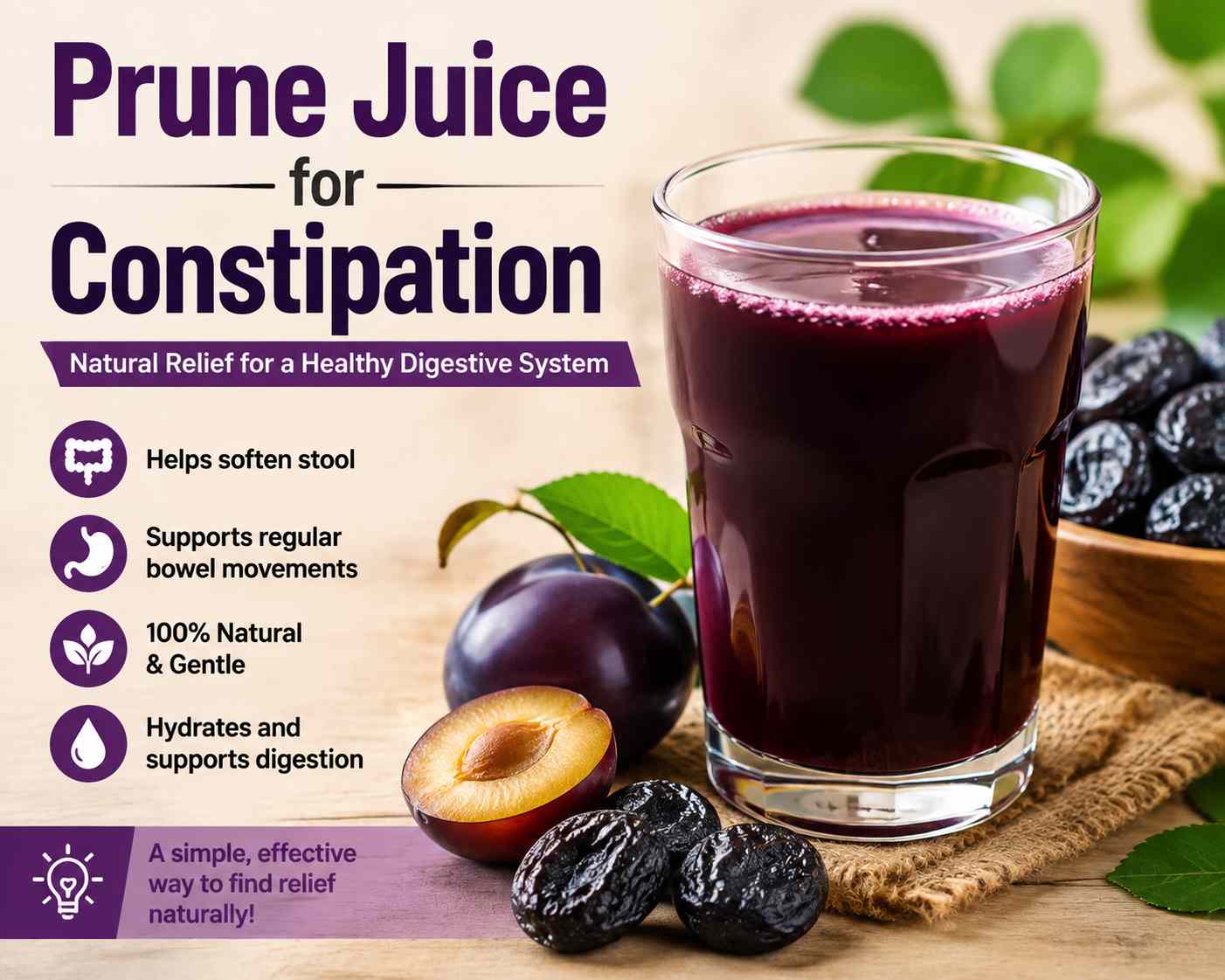
Prune Juice for Constipation: A Natural Guide to Relief, Benefits, Uses, and Results! Discover how prune juice may support digestive health, soften stools, and promote regular bowel movements naturally. Learn the benefits, proper usage, dosage, and expected results for constipation relief.

Introduction
Constipation is one of the most common digestive concerns affecting people of all ages. It can cause uncomfortable symptoms such as infrequent bowel movements, hard stools, bloating, abdominal discomfort, and the feeling that your bowel has not completely emptied.
While occasional constipation is usually not serious, it can affect daily comfort, energy levels, and overall quality of life.
Many people look for gentle and natural ways to support regular bowel movements before turning to stronger options.
One traditional remedy that has gained attention for digestive support is prune juice for constipation.
Made from dried plums, prune juice contains natural compounds that may help soften stools, support digestion, and encourage healthy bowel movement patterns.
Prune juice has been used for generations because it provides a combination of dietary fiber, natural sorbitol, and plant compounds that can support the digestive system.
Unlike some stimulant laxatives that may cause sudden urgency, prune juice is considered a milder food-based option that works with the body’s natural processes.
Although prune juice is not a cure for chronic constipation or underlying medical conditions, many people find it useful as part of a healthy lifestyle that includes adequate hydration, fiber-rich foods, and regular movement.
In this complete guide, we will explore how prune juice may help constipation, the best ways to use it, how much to drink, potential benefits, possible side effects, and other important information to help you make an informed decision.
What Is Prune Juice?
Prune juice is a beverage made from dried plums, commonly known as prunes. These fruits are naturally sweet and contain important nutrients that support digestive wellness.
During processing, dried plums are soaked, cooked, and pressed to extract a dark-colored, rich-flavored juice.
Unlike many fruit juices that mainly provide natural sugars and water, prune juice contains unique digestive-supporting compounds.
The most well-known of these is sorbitol, a naturally occurring sugar alcohol that can draw water into the intestines and help promote softer stools.
Prunes also contain plant-based compounds called polyphenols, which have antioxidant properties and may contribute to overall digestive health.
In addition, whole prunes provide dietary fiber, although some fiber is reduced when the fruit is converted into juice.
Many commercial prune juices are available in regular or concentrated forms. Some products may contain added ingredients, while others are made from 100% prune juice.
For constipation support, many people prefer pure prune juice without added sugars or unnecessary additives.
Because it is a food-based option rather than a medication, prune juice is often considered a gentle choice for people who experience occasional constipation.
However, individual results can vary depending on diet, hydration, activity level, and the underlying cause of constipation.
What Causes Constipation?
Before understanding how prune juice may help, it is important to know what commonly causes constipation.
Constipation occurs when Stool moves too slowly through the digestive tract or becomes difficult to pass. Several lifestyle and health factors can contribute to this problem.

Common causes include:
1. Low Fiber Intake
Fiber adds bulk to Stool and helps maintain normal movement through the intestines. A diet low in fruits, vegetables, whole grains, and legumes may increase the risk of constipation.
2. Not Drinking Enough Water
Water helps soften Stool and allows fiber to work properly. Without enough fluids, stools may become dry, hard, and difficult to pass.
3. Lack of Physical Activity
Regular movement supports natural intestinal activity. A sedentary lifestyle may slow digestion and contribute to irregular bowel habits.
4. Ignoring the Urge to Go
Frequently delaying bowel movements can affect normal bowel patterns and may make Stool harder over time.
5. Changes in Routine
Travel, stress, changes in eating habits, and disrupted schedules can temporarily affect digestion.
6. Certain Medications
Some medications, including certain pain relievers, supplements, and other drugs, may contribute to constipation as a side effect.
Understanding the cause of constipation can help determine whether prune juice is likely to be helpful or whether additional support may be needed.
How Does Prune Juice Help With Constipation?
Prune juice may help constipation because it contains several natural components that support bowel regularity. Its effects are mainly linked to sorbitol, fluid content, and digestive-supporting plant nutrients.
1. Natural Sorbitol Supports Stool Softening
One of the main reasons people use prune juice for constipation is its natural sorbitol content.
Sorbitol is a type of carbohydrate that is poorly absorbed in the small intestine. When it reaches the colon, it can help pull water into the digestive tract. This additional moisture may soften Stool and make it easier to pass.
For people experiencing occasional constipation, this gentle, water-attracting effect may help promote more comfortable bowel movements.
2. Helps Increase Water Content: Stool is often associated with insufficient moisture in the digestive system. Since prune juice contains water along with natural compounds that support hydration in the intestines, it may help improve stool consistency.
Drinking prune juice along with enough water throughout the day may provide better digestive support than relying on fluids alone.
3. Supports Natural Bowel Movement Activity
Prune juice contains plant compounds that may encourage healthy digestive function. Some people experience improved bowel regularity when they include prune juice as part of a balanced diet.
The effect is usually gradual rather than immediate because the body still needs time to process food, absorb nutrients, and move waste through the digestive system.
4. Provides Digestive-Friendly Nutrients
Prune juice contains small amounts of nutrients, including potassium, as well as antioxidant compounds. These nutrients contribute to overall wellness and may support normal body functions, including digestive health.
A healthy digestive system depends on many factors, including nutrient intake, hydration, gut bacteria balance, and lifestyle habits.
Why Is Prune Juice Considered a Popular Natural Remedy?
Prune juice has remained popular because it is simple, affordable, and easy to include in a daily routine.
Unlike some constipation products that require careful timing or may cause strong effects, prune juice is a common food item that many people already recognize.
It can be consumed alone, mixed into smoothies, or combined with other healthy ingredients.
Another reason for its popularity is that it provides a combination of hydration and natural compounds instead of relying on a single active ingredient.
Many people choose prune juice because:
- It is plant-based
- It is easy to consume
- It can be added to a healthy diet
- It may support softer stools
- It does not require preparation like some home remedies
However, results are not identical for everyone. Some people may notice improvement quickly, while others may need additional dietary and lifestyle changes.
Nutritional Profile of Prune Juice
Prune juice contains several nutrients that contribute to its reputation as a digestive-supporting beverage.
A typical serving may provide:
⚡ Natural Carbohydrates
Prune juice contains naturally occurring sugars that provide energy and contribute to its sweet flavor.
⚡ Sorbitol
This natural sugar alcohol is one of the key compounds associated with prune juice’s constipation-supporting effects.
⚡ Potassium
Potassium is an essential mineral involved in many body functions, including fluid balance.
⚡ Antioxidant Compounds
Prunes contain plant compounds that help protect cells from oxidative stress.
⚡ Small Amounts of Vitamins and Minerals
Depending on processing methods, prune juice may contain small amounts of nutrients that contribute to overall dietary intake.
While prune juice can be beneficial, it should be viewed as one part of a balanced approach to digestive health rather than a replacement for a nutrient-rich diet.
Benefits of Prune Juice for Constipation
Prune juice is widely recognized as a traditional digestive-supporting drink because of its natural compounds that may promote regular bowel movements. While it does not work the same way for everyone, many people include prune juice in their routine to support comfortable digestion.
Below are some of the potential benefits of using prune juice for constipation.

1. May Help Soften Hard Stools
One of the biggest challenges with constipation is passing dry, hard stools. Prune juice contains natural sorbitol, which may help increase water content in the intestines.
By helping stools retain more moisture, prune juice may make bowel movements easier and more comfortable. This can be especially helpful for people who experience occasional constipation caused by low fluid intake or dietary changes.
2. Supports More Regular Bowel Movements
Regular bowel habits depend on proper hydration, fiber intake, and healthy digestive function. The natural compounds in prune juice may encourage normal intestinal activity.
When combined with a balanced diet and healthy lifestyle habits, drinking prune juice may help some individuals maintain a more predictable bowel routine.
3. Provides Gentle Digestive Support
Many people prefer food-based approaches because they may feel gentler compared with stronger constipation products.
Prune juice works by supporting the body’s natural digestive processes rather than forcing bowel movement through harsh stimulation. This makes it a popular choice for people looking for a mild option for occasional constipation.
4. Helps Increase Daily Fluid Intake
Dehydration is a common factor that can contribute to constipation. Since prune juice is a liquid beverage, it contributes to daily fluid consumption.
Adequate hydration keeps stool softer and allows dietary fiber to function properly in the digestive system.
5. Contains Natural Plant Compounds
Prunes contain polyphenols and other plant-based compounds that contribute to their nutritional value.
These natural compounds support overall wellness and may play a role in maintaining a healthy digestive environment.
6. Easy to Add to a Daily Routine
One reason prune juice remains popular is its convenience. It does not require complicated preparation and can easily be added to breakfast or consumed as a simple drink.
Many people enjoy it:
- By itself in the morning
- Mixed with smoothies
- Combined with other fruit juices
- Added to healthy recipes
How Much Prune Juice Should You Drink for Constipation?
The ideal amount of prune juice can vary depending on individual needs, age, diet, and sensitivity. It is generally recommended to start with a smaller amount and gradually increase if needed.
A common starting amount for adults is:
½ cup (about 120 ml) of prune juice once daily.
If constipation continues, some people may increase their intake up to:
1 cup (about 240 ml) per day.
Drinking too much prune juice at once may cause digestive discomfort, including gas, bloating, or loose stools. Starting slowly allows your body to adjust.
For best results:
- Choose 100% prune juice when possible
- Avoid varieties with added sugars
- Drink enough water throughout the day
- Maintain a fiber-rich diet
Prune juice should be used as part of an overall digestive health routine rather than as the only solution.
Best Time to Drink Prune Juice for Constipation
The timing of prune juice consumption may influence how well it fits into your routine.
💫 Morning
Many people prefer drinking prune juice in the morning because the digestive system naturally becomes more active after waking.
Having prune juice before breakfast or with breakfast may help support regular bowel habits throughout the day.
💫 Evening
Some individuals drink prune juice in the evening because digestion continues overnight. However, drinking large amounts close to bedtime may not be comfortable for everyone.
💫 Consistency Matters More Than Timing
There is no single best time that works for everyone. The most important factor is using prune juice consistently while maintaining healthy habits.
How Long Does Prune Juice Take to Work for Constipation?
The time it takes for prune juice to support bowel movement varies from person to person.
Some individuals may notice effects within:
Several hours
While others may experience benefits after:
One to two days of regular use.
Factors that influence results include:
- Severity of constipation
- Amount of prune juice consumed
- Daily water intake
- Fiber consumption
- Physical activity level
- Individual digestive response
If constipation does not improve after making dietary changes or persists for an extended period, it may be important to speak with a healthcare professional.
How to Use Prune Juice for Constipation: Step-by-Step Guide
Using prune juice correctly may help maximize its digestive benefits.
Step 1: Choose Quality Prune Juice
Select a prune juice that contains 100% prune juice without unnecessary additives or excessive added sugar.
Reading the ingredient label can help you choose a simple and natural option.
Step 2: Start With a Small Amount
If you have never tried prune juice before, begin with approximately half a cup.
Starting gradually helps your digestive system adjust and reduces the chance of unwanted effects such as bloating.
Step 3: Drink Enough Water
Prune juice works best when combined with proper hydration.
Make sure you continue drinking water throughout the day because fluid intake plays an important role in maintaining softer stools.
Step 4: Maintain a Fiber-Rich Diet
Adding fiber-rich foods can complement prune juice.
Good options include:
- Fruits
- Vegetables
- Whole grains
- Beans
- Nuts and seeds
Fiber adds bulk to stool and supports normal digestive movement.
Step 5: Stay Physically Active
Movement supports digestive function. Regular walking or exercise may help encourage normal bowel activity.
Even light activity, such as a daily walk, can improve digestion.
Prune Juice vs Other Natural Constipation Remedies
| Remedy | How It May Help | Best For |
| Prune Juice | Provides sorbitol and hydration support | Occasional constipation |
| Water | Helps maintain stool moisture | Mild constipation linked to dehydration |
| High-Fiber Foods | AddStoolk to stool | Long-term digestive support |
| Chia Seeds | Provides soluble fiber | Supporting regularity |
| Flax Seeds | Adds fiber and healthy fats | Digestive wellness |
| Exercise | Encourages natural bowel movement | Lifestyle-related constipation |
Prune juice can be combined with many of these habits for a more complete approach to digestive health.
Prune Juice for Different Age Groups
Adults
Adults commonly use prune juice as a natural option for occasional constipation. The amount needed may depend on diet, hydration, and digestive sensitivity.
Older Adults
Constipation becomes more common with age due to changes in activity levels, medication use, and digestive function.
Prune juice may be a convenient option for older adults, although individuals with specific health conditions should consult a healthcare provider before making dietary changes.
Children
Parents sometimes consider prune juice for children experiencing constipation. However, the appropriate amount depends on the child’s age and individual needs.
It is recommended to consult a pediatric healthcare professional before giving prune juice to very young children.
Possible Side Effects of Prune Juice
Although prune juice is generally considered safe as a food product, excessive consumption may cause digestive discomfort.
Possible side effects may include:
Gas and Bloating
The natural sugars and sorbitol in prune juice may cause increased gas in some people.
Loose Stools
Consuming large amounts may have a stronger effect and lead to diarrhea.
Stomach Discomfort
Some individuals may experience cramps or digestive changes when first adding prune juice to their diet.
Starting with a small amount can help reduce these effects.
Who Should Be Careful With Prune Juice?
Some people may need to limit prune juice consumption or speak with a healthcare professional before using it regularly.
Extra caution may be needed for:
- People with digestive disorders
- Individuals sensitive to sorbitol
- People managing blood sugar concerns
- Those with ongoing or severe constipation
- Individuals experiencing unexplained digestive symptoms
Tips to Improve Constipation Relief Naturally
Prune juice may work better when combined with other healthy habits.
Drink Enough Water
Water helps maintain stool softness and supports normal digestive processes.
Eat More Fiber
Increasing fiber from fruits, vegetables, and whole grains can support long-term bowel regularity.
Exercise Regularly
Physical movement encourages healthy intestinal activity.
Create a Bathroom Routine
Responding to natural urges and maintaining a consistent routine may support better bowel habits.
Reduce Highly Processed Foods
Foods low in fiber may contribute to slower digestion when consumed frequently.
Common Myths About Prune Juice

Myth 1: Prune Juice Works Instantly for Everyone
Prune juice may support bowel movement, but results vary. Some people notice effects quickly, while others may need consistent use.
Myth 2: More Prune Juice Means Better Results
Drinking excessive amounts does not always improve constipation faster. Too much may cause bloating or diarrhea.
Myth 3: Prune Juice Can Replace a Healthy Diet
Prune juice can support digestion but should not replace fiber-rich foods, water, and healthy lifestyle choices.
Myth 4: Constipation Always Requires Medication
Mild occasional constipation can often improve with lifestyle adjustments. However, persistent symptoms may require professional guidance.
When to See a Doctor About Constipation
While occasional constipation is common, certain symptoms should not be ignored.
Seek medical advice if you experience:
- Constipation lasting several weeks
- Severe abdominal paStoolood in stool
- Unexplained weight loss
- Sudden changes in bowel habits
- Persistent vomiting
These symptoms may indicate an underlying health issue that requires evaluation.
Frequently Asked Questions
Is prune juice good for constipation?
Yes, prune juice may help relieve occasional constipation because it contains natural sorbitol and fluids that may soften stools and encourage bowel movements.
How much prune juice should I drink for constipation?
Many adults start with around half a cup daily and adjust based on their body’s response. Drinking too much may cause bloating or loose stools.
How quickly does prune juice relieve constipation?
Some people may notice effects within several hours, while others may need one or two days of regular use.
Can I drink prune juice every day?
Many people can include moderate amounts of prune juice in their daily routine. However, excessive intake may cause digestive discomfort.
Is prune juice better than laxatives?
Prune juice is a food-based option that may provide gentle digestive support, while laxatives are designed for specific relief of constipation. The best choice depends on individual needs.
Can prune juice help with bloating?
Prune juice may support digestion, but some people may experience temporary bloating because of its natural sugars and sorbitol content.
Conclusion
Prune juice for constipation is a popular natural approach used for generations to support digestive comfort and regular bowel movements.
Its natural sorbitol content, hydration benefits, and plant-based nutrients make it a convenient option for people experiencing occasional constipation.
While prune juice may help soften stools and encourage easier bowel movements, it works best when combined with healthy habits such as drinking enough water, eating fiber-rich foods, and staying physically active.
For many individuals, adding a moderate amount of prune juice to their daily routine can be a simple way to support natural digestive wellness.
However, persistent or severe constipation should always be discussed with a healthcare professional.
By understanding how prune juice works, how much to drink, and how to use it properly, you can make a more informed decision about whether this traditional remedy aligns with your digestive health goals.
.