7 Signs Your Toenail Fungus Is Getting Worse: Don’t Ignore These
Discover the top 10 proven treatments to stop toenail fungus from worsening and restore healthier, clearer nails fast.
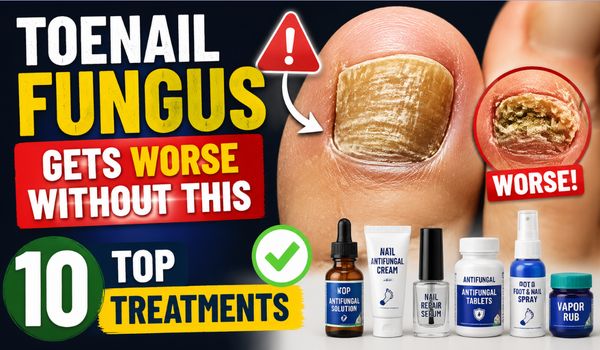

Toenail fungus may seem like a minor cosmetic issue at first, but ignoring it can lead to much bigger problems.
What starts as a small white or yellow spot beneath the tip of the nail can gradually spread deeper into the nail plate, making the nail thick, brittle, discolored, and difficult to trim.
Over time, the infection can affect multiple toenails, cause discomfort while walking, and increase the risk of secondary bacterial infections, especially in older adults and people with diabetes.
The key reason toenail fungus gets worse is simple: fungi continue to grow unless they are treated effectively.
The fungus lives underneath and inside the nail, making it difficult for the body’s immune system to eliminate it naturally.
The good news is that effective treatments are available. Depending on how advanced the infection is, treatment may include antifungal medications, prescription nail lacquers, laser therapy, proper nail care, or, in severe cases, nail removal.
Early diagnosis and consistent treatment significantly improve the chances of healthy nail regrowth.
What is Toenail Fungus?
Toenail fungus, also called onychomycosis, is a fungal infection that develops underneath or within the toenail. The infection is commonly caused by dermatophytes, although yeasts and molds can also be responsible.
Because fungi thrive in warm, moist environments, they commonly spread in places such as:
- Public swimming pools
- Locker rooms
- Gym showers
- Shared footwear
- Sweaty socks and shoes
Once the fungus enters through a tiny crack in the nail or surrounding skin, it begins feeding on keratin the protein that makes up the nail.
7 Signs Your Toenail Fungus Is Getting Worse
Many people delay treatment because the infection usually develops slowly and isn’t painful initially. Unfortunately, waiting often allows the fungus to spread.
Without treatment, toenail fungus may lead to:
- Progressive nail thickening
- Yellow, brown, or white discoloration
- Crumbling or brittle nails
- Nail lifting from the nail bed
- Foul odor
- Pain when walking or wearing shoes
- Infection spreading to nearby nails
For individuals with diabetes, poor circulation, or weakened immune systems, untreated fungal infections can become more serious and increase the risk of complications.
Common Symptoms of Toenail Fungus
Symptoms vary depending on the severity of the infection but commonly include:
- White or yellow spots beneath the nail
- Thickened nails
- Rough or brittle edges
- Distorted nail shape
- Brown or dark discoloration
- Nail separating from the nail bed
- Difficulty trimming nails
- Mild discomfort or pain
- Debris accumulating beneath the nail
Early recognition improves treatment success.
Who Is Most Likely to Develop Toenail Fungus?
Anyone can develop toenail fungus, but certain factors increase the risk.
Age – Older adults experience slower nail growth and reduced circulation, making infections more common.
Diabetes – Higher blood sugar levels and reduced circulation increase susceptibility to fungal infections.
Athlete’s Foot – Untreated athlete’s foot often spreads to the toenails.
Sweaty Feet – Warm, damp environments promote fungal growth.
Nail Injury – Even small injuries can allow fungi to enter beneath the nail.
Poor Circulation – Reduced blood flow makes it harder for the immune system to fight infection.
Weakened Immune System – Individuals receiving chemotherapy, taking immunosuppressive medications, or living with certain medical conditions may have a higher risk.
How Doctors Diagnose Toenail Fungus?
Not every thick or discolored nail is caused by fungus. Conditions such as psoriasis, trauma, eczema, or aging can produce similar changes.
A healthcare provider may diagnose the infection through:
- Physical examination
- Nail clipping analysis
- Potassium hydroxide (KOH) preparation
- Fungal culture
- PCR testing in selected cases
An accurate diagnosis helps ensure the most appropriate treatment.

Top 10 Treatments for Toenail Fungus
1. Prescription Oral Antifungal Medications
For moderate to severe fungal nail infections, oral antifungal medications are often considered the most effective treatment because they reach the infection through the bloodstream.
Common medications include:
- Terbinafine
- Itraconazole
- Fluconazole (in selected cases)
Benefits
- Higher cure rates than topical treatments
- Treats infection beneath the nail
- Suitable for multiple infected nails
Possible Considerations
These medications may not be appropriate for everyone. Your healthcare provider may recommend blood tests or review other medications before prescribing treatment.
2. Prescription Antifungal Nail Lacquers
When the infection affects only part of the nail, prescription topical treatments may be recommended.
Examples include:
- Ciclopirox
- Efinaconazole
- Tavaborole
These medications are applied directly to the affected nail over several months.
Benefits
- Non-invasive
- Easy to use at home
- Useful for mild infections
Limitations
Topical medications often require patience because healthy toenails grow slowly. Improvement may take many months.
3. Professional Nail Debridement
Nail debridement involves trimming and thinning thickened fungal nails by a healthcare professional.
Benefits include:
- Reduces nail pressure
- Improves comfort
- Allows topical medications to penetrate more effectively
- Makes shoes more comfortable
Debridement is commonly combined with antifungal therapy rather than used alone.
4. Laser Therapy
Laser treatment has become an option for some patients with toenail fungus. The goal is to direct light energy toward the infected nail to reduce fungal organisms while preserving surrounding tissue.
Potential advantages include:
- No daily medication
- Minimal downtime
- Generally well tolerated
However, laser therapy may not be suitable for everyone, and research on long-term effectiveness is still evolving. It is often considered alongside other treatments rather than as a guaranteed standalone cure.
5. Medical-Grade Topical Antifungal Creams and Solutions
Topical antifungal creams, gels, sprays, and solutions are commonly used to treat fungal infections of the surrounding skin and may also be recommended as part of a treatment plan for toenail fungus.
While creams alone often cannot penetrate deeply into a thick infected nail, they can help prevent the fungus from spreading to nearby skin and may be combined with oral medications or prescription nail solutions.
Your healthcare provider may recommend topical antifungals if you have:
- Mild nail involvement
- Athlete’s foot along with toenail fungus
- Early-stage fungal infection
- A history of recurring fungal infections
Applying these medications exactly as directed is essential. Skipping applications or stopping treatment too early can reduce effectiveness.
6. Treat Athlete’s Foot at the Same Time
One of the most overlooked reasons toenail fungus returns is untreated athlete’s foot.
Athlete’s foot is caused by many of the same fungi that infect toenails. If the skin between your toes remains infected, the fungus can repeatedly spread back into healthy nails.
Signs of athlete’s foot include:
- Itching
- Burning
- Redness
- Peeling skin
- Cracks between the toes
Treating both conditions simultaneously gives you a much better chance of eliminating the infection and preventing recurrence.
Good nail hygiene won’t cure an established fungal infection by itself, but it plays an important role in treatment success.
Healthy nail habits include:
- Trim nails straight across.
- File thickened nails regularly.
- Keep nails clean and dry.
- Avoid digging beneath the nail.
- Sterilize nail clippers after each use.
- Avoid sharing nail tools.
- Wear properly fitting shoes.
If your nails are extremely thick or painful, avoid trying to remove large portions yourself. A podiatrist can safely reduce nail thickness.
7. Proper Nail Care
Good nail hygiene won’t cure an established fungal infection by itself, but it plays an important role in treatment success.
Healthy nail habits include:
- Trim nails straight across.
- File thickened nails regularly.
- Keep nails clean and dry.
- Avoid digging beneath the nail.
- Sterilize nail clippers after each use.
- Avoid sharing nail tools.
- Wear properly fitting shoes.
8. Keep Feet Dry and Wear Breathable Footwear
Fungi thrive in warm, dark, and damp environments. Moisture trapped inside shoes creates ideal conditions for fungal growth.
To reduce your risk:
- Wear moisture-wicking socks.
- Change socks if your feet become sweaty.
- Alternate shoes to allow them to dry completely.
- Choose breathable footwear whenever possible.
- Remove shoes after exercise to let feet air out.
- Use antifungal powder if recommended by your healthcare provider.
These simple habits can help reduce fungal growth and lower the risk of reinfection.

9. Laser or Combination Therapy
Some patients benefit from combining multiple treatments rather than relying on a single approach.
Examples include:
- Oral medication plus nail debridement
- Prescription topical medication plus nail thinning
- Laser treatment plus prescription antifungal therapy
Combination therapy may improve outcomes for certain patients, particularly those with thicker nails or long-standing infections. Your healthcare provider can determine whether this approach is appropriate based on the severity of your infection and your overall health.
10. Surgical Nail Removal (For Severe Cases)
When a toenail is severely damaged, painful, or resistant to other treatments, partial or complete nail removal may be considered.
The procedure may be recommended when:
- The nail is extremely thick.
- Walking has become painful.
- The infection repeatedly returns.
- Other treatments have not been successful.
After the nail is removed, antifungal medication is often continued to help eliminate any remaining fungal organisms. A new nail may gradually grow back over several months, although regrowth varies from person to person.
Can Home Remedies Cure Toenail Fungus?
Many home remedies are promoted online, including:
- Tea tree oil
- Vinegar soaks
- Baking soda
- Coconut oil
- Garlic
- Hydrogen peroxide
- Essential oils
While some laboratory studies suggest that certain ingredients have antifungal properties, there is limited high-quality clinical evidence showing that these remedies can reliably cure established toenail fungus.
Home remedies should not replace medical evaluation, especially if the infection is severe, painful, spreading, or affects someone with diabetes or poor circulation.
How Long Does Treatment Take?
One of the most common questions patients ask is:
“Why isn’t my nail looking better yet?”
The answer is simple—healthy toenails grow very slowly.
Even after the fungus has been successfully treated:
- A new healthy nail must replace the damaged portion.
- Toenails typically take 9–18 months to fully grow out.
- Severe infections may require even longer.
This is why patience and consistency are so important.
How to Prevent Toenail Fungus from Coming Back
Preventing recurrence is just as important as treating the initial infection.
Follow these tips:
- Wash and dry your feet thoroughly every day.
- Dry carefully between the toes.
- Wear clean socks daily.
- Change socks after heavy sweating.
- Choose breathable shoes.
- Alternate footwear to allow drying.
- Wear flip-flops in public showers, pools, and locker rooms.
- Do not share nail clippers or footwear.
- Trim nails regularly.
- Treat athlete’s foot promptly.
- Replace worn shoes if they harbor persistent moisture or odor.
Making these habits part of your daily routine can significantly reduce the chance of another infection.

When Should You See a Doctor?
Although mild nail changes may seem harmless, it’s important to seek medical care if you notice:
- Thickening that continues to worsen
- Increasing discoloration
- Pain while walking
- Nail lifting from the nail bed
- Bleeding around the nail
- Swelling or redness
- Drainage or signs of bacterial infection
- Multiple affected nails
- No improvement after several months of appropriate treatment
People with diabetes, peripheral artery disease, neuropathy, or weakened immune systems should seek evaluation early rather than attempting to manage the problem on their own.
Final Thoughts
Toenail fungus is far more than a cosmetic concern. Left untreated, it can spread, damage the nail, cause discomfort, and become increasingly difficult to treat.
The earlier you address the infection, the greater the chance of preserving healthy nails and avoiding complications.
Fortunately, effective treatment options are available. From prescription oral medications and topical therapies to professional nail care, laser treatment, and preventive strategies, there are solutions for nearly every stage of the condition.
If you notice persistent discoloration, thickening, crumbling, or other changes in your toenails, don’t ignore them.
An accurate diagnosis and personalized treatment plan can help stop the infection before it becomes more severe.
.
.
.