Supplements That Increase GLP-1 – Causes & Guide 2026
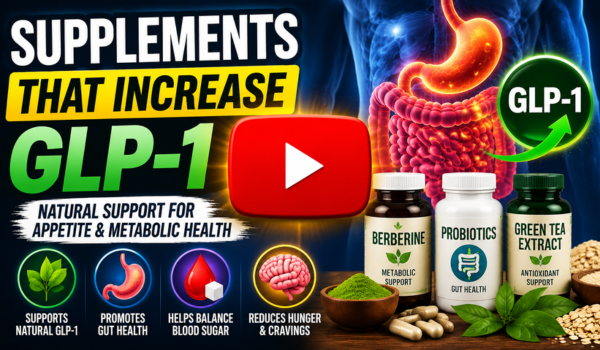
Supplements that increase GLP-1 (🔥APPETITE CONTROL!) support appetite control, improve fullness signals, and aid weight management.

Introduction
GLP-1 (Glucagon-Like Peptide-1) has become one of the most talked-about metabolic hormones in modern nutrition and weight management research.
It plays a key role in regulating appetite, digestion, blood sugar balance, and feelings of fullness after eating.
Because of its importance in weight and metabolic health, interest in Supplements that Increase GLP-1 has grown rapidly.
While prescription GLP-1 medications work directly on receptors, certain natural nutrients and compounds may help support the body’s own GLP-1 response.
In this guide, we will break down what GLP-1 is, how it works, and which supplements may help support its natural activity in the body.
What is GLP-1?
GLP-1 is a naturally occurring hormone released in the gut after eating. It communicates with the brain and other organs to regulate appetite and blood sugar levels.
From a biological perspective, GLP-1 is part of the body’s “satiety signaling system.” When functioning properly, it helps you:
- Feel full after meals
- Reduce cravings and overeating
- Slow down digestion for better nutrient absorption
- Support stable blood sugar levels
GLP-1 (Glucagon-Like Peptide-1) is produced mainly in the small intestine and acts as a messenger between the gut, brain, and pancreas.
When GLP-1 levels are balanced, appetite regulation becomes more efficient. When they are low or less responsive, hunger signals may feel stronger, leading to increased calorie intake and weight gain over time.
Why GLP-1 Matters for Weight Management?
GLP-1 plays a central role in modern metabolic science because it affects multiple systems at once:
Best Supplements That May Support GLP-1 Levels Naturally
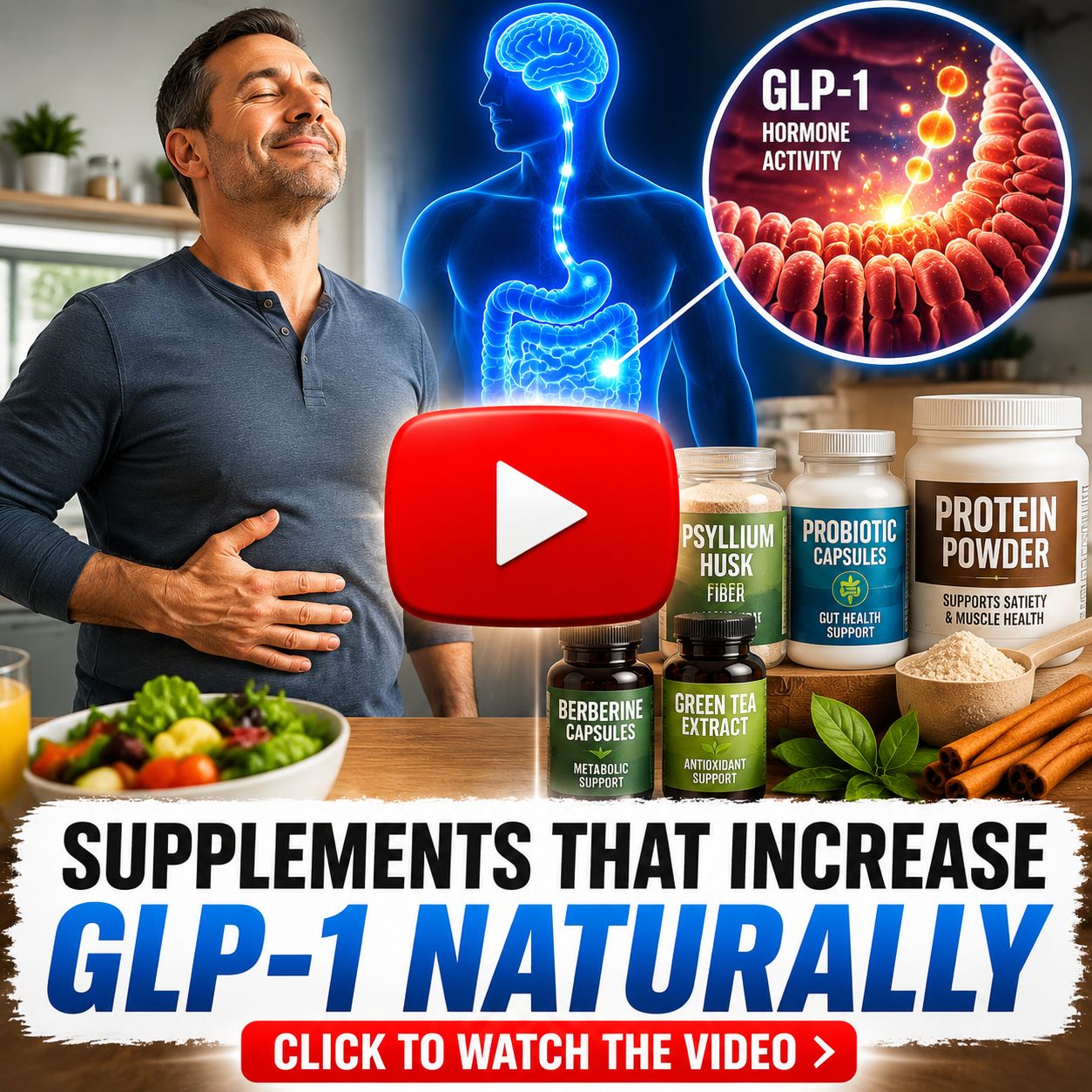
Below are the most researched and commonly discussed supplements that may indirectly support GLP-1 activity.
1. Fiber Supplements (Most Important Category)
Dietary fiber is one of the strongest natural ways to support GLP-1 release.
When fiber reaches the gut, it ferments, producing short-chain fatty acids (SCFAs). These compounds help stimulate GLP-1 secretion.
Key types:
- Psyllium husk
- Inulin
- Glucomannan
- Acacia fiber
Benefits:
- Improves fullness after meals
- Slows digestion naturally
- Supports healthy gut bacteria
- Helps reduce calorie intake
Fiber is often considered the foundation of any GLP-1-supporting diet because it directly influences gut hormone signaling.
2. Probiotics and Gut Health Supplements
The gut microbiome plays a major role in hormone regulation, including GLP-1 production.
Certain probiotic strains may improve the environment in the intestines, helping support better metabolic signaling.
Common strains studied:
- Lactobacillus species
- Bifidobacterium species
Potential benefits:
- Supports gut-brain communication
- Improves digestion efficiency
- May enhance natural satiety signals
- Supports metabolic balance
A healthy gut often equals better hormone regulation, including GLP-1.
3. Berberine
Berberine is a plant-based compound widely studied for its effects on metabolic health.
It is often compared to prescription metabolic agents due to its strong effect on glucose regulation.
How it may support GLP-1:
- Improves insulin sensitivity
- Supports gut microbiome diversity
- May indirectly enhance GLP-1 signaling
Benefits:
- Helps maintain healthy blood sugar
- Supports weight management
- Reduces post-meal glucose spikes
Berberine is one of the most researched natural compounds in metabolic science.
4. Protein-Rich Supplements
Protein intake naturally stimulates GLP-1 release more than fat or carbohydrate intake.
High-protein supplements, such as whey protein or plant-based protein powders, can increase satiety hormone levels after meals.
How it works:
- Protein digestion triggers gut hormone release
- Enhances fullness signals in the brain
- Reduces hunger between meals
Benefits:
- Supports muscle maintenance
- Reduces cravings
- Helps control calorie intake
Protein is a simple yet powerful tool for naturally supporting GLP-1 activity.
5. Omega-3 Fatty Acids
Omega-3s from fish oil or algae-based supplements may support metabolic and hormonal health.
Possible GLP-1-related effects:
- Supports anti-inflammatory pathways in the gut
- Improves insulin sensitivity
- May enhance satiety signaling indirectly
Benefits:
- Supports heart health
- Reduces inflammation
- Helps metabolic function
Although not direct GLP-1 boosters, omega-3s support the systems that regulate GLP-1.
6. Magnesium
Magnesium plays a key role in glucose metabolism and insulin function.
How it may help:
- Supports energy production in cells
- Improves insulin response
- Helps regulate metabolic signaling pathways
Benefits:
- Reduces fatigue
- Supports blood sugar stability
- Improves overall metabolic health
Healthy insulin function is closely linked with GLP-1 activity.
7. Green Tea Extract
Green tea contains catechins, especially EGCG, which may support metabolism and fat oxidation.
Potential effects:
- Supports thermogenesis
- Improves fat metabolism
- May support gut hormone balance
Benefits:
- Mild appetite control support
- Increased energy expenditure
- Antioxidant protection
Green tea extract is often included in weight-management stacks for its role in metabolic support.
How Do These Supplements Work Together?
No single supplement “switches on” GLP-1 in isolation. Instead, they work through multiple pathways:
Gut Health Pathway
- Fiber and probiotics work together to improve the overall gut environment by feeding beneficial bacteria and enhancing short-chain fatty acid production.
- This healthier microbiome may help stimulate the natural release of GLP-1 from the intestinal lining, improving fullness signals and supporting better digestion and appetite control.
Metabolic Pathway
- Nutrients like magnesium, berberine, and omega-3 fatty acids support the body’s metabolic functions by improving insulin sensitivity and reducing inflammation.
- These effects help stabilize blood sugar levels, which plays an important role in reducing sudden hunger spikes and supporting more consistent GLP-1-related signaling.
Satiety Pathway
- Protein and dietary fiber are powerful satiety-supporting nutrients that naturally increase fullness hormones, including GLP-1.
- They slow digestion, reduce post-meal cravings, and help the brain receive stronger “fullness” signals, which can lower overall calorie intake throughout the day.
Combined Effect
- When these supplements are used alongside a balanced diet, regular exercise, and good sleep, they may work synergistically across gut, metabolic, and satiety pathways.
- This combined approach can help support a stronger and more stable natural GLP-1 response, leading to better appetite control and long-term metabolic health.
What to Realistically Expect From GLP-1 Supplements?
It is important to set realistic expectations.
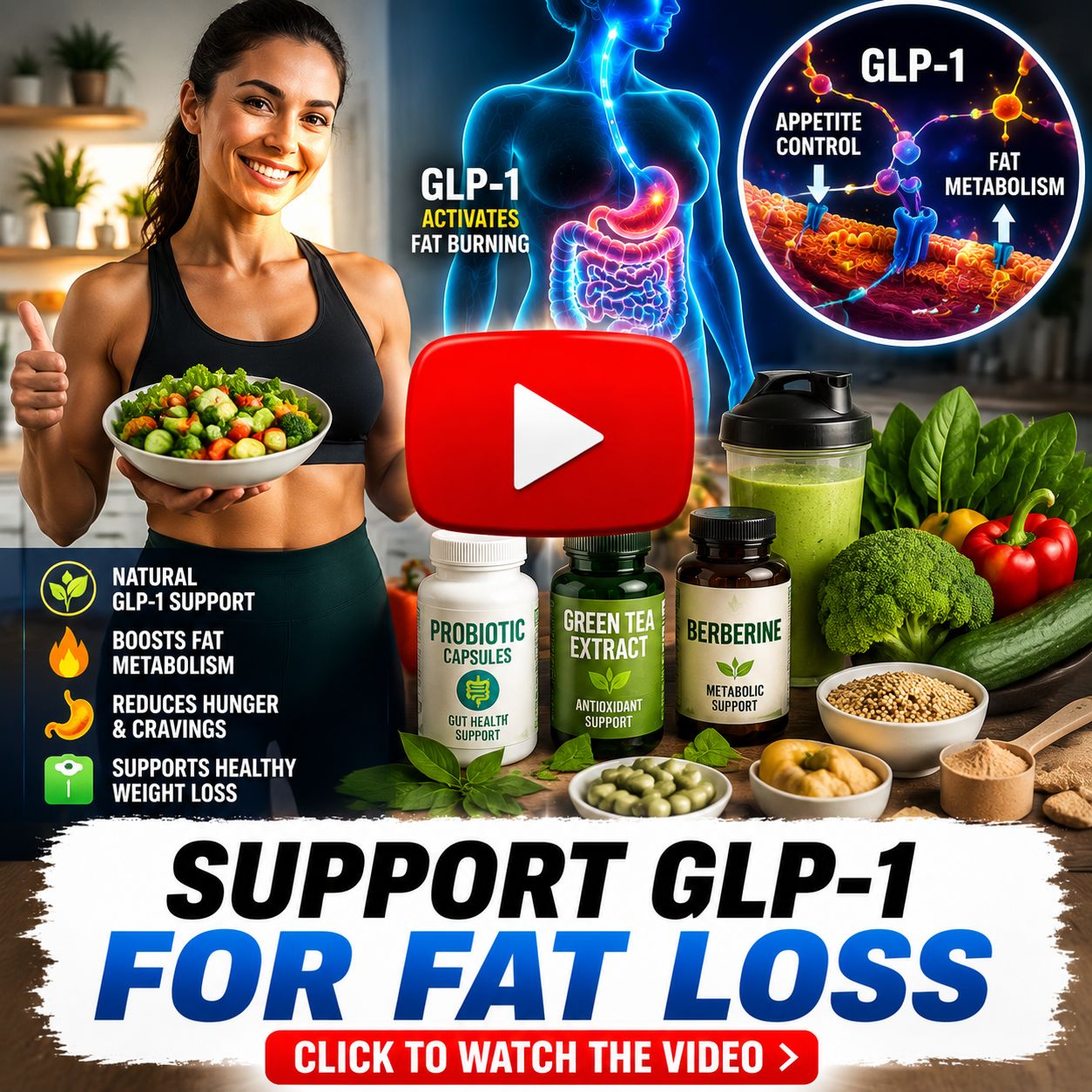
Supplements may:
- Support satiety signals
- Improve gut health
- Help stabilize blood sugar
- Enhance metabolic efficiency
But they will NOT:
- Replace prescription GLP-1 medications
- Produce rapid weight loss effects
- Significantly alter appetite alone.
Their value lies in long-term metabolic support, not immediate transformation.
Can Supplements Really Increase GLP-1?
This is an important question.
The prescription medications and supplements do not directly “replace” or force GLP-1 activity. However, certain nutrients may:
- Support natural GLP-1 secretion from the gut
- Improve gut health, which influences hormone production
- Enhance insulin sensitivity and metabolic signaling
- Support microbiome balance linked to satiety hormones
So when we talk about Supplements that increase GLP-1, we are referring to compounds that may support the body’s natural GLP-1 response rather than artificially replace it.
Lifestyle Factors That Increase GLP-1 Naturally
Supplements alone are not enough. GLP-1 levels are strongly influenced by daily habits.
They may help:
- Reduce appetite slightly
- Improve fullness signals
- Support better eating habits
- Enhance metabolic efficiency
However, results vary widely depending on diet, activity level, and individual biology.
Safety Considerations
Most natural supplements are considered safe when used correctly, but it is important to:
- Avoid excessive dosing
- Check for allergies or sensitivities
- Consult a healthcare provider if you have medical conditions
- Use high-quality, tested products
Natural does not always mean risk-free, especially when combining multiple supplements.
Who May Benefit from GLP-1 Supporting Supplements?
These supplements may be helpful for individuals who:
- Struggle with frequent hunger or cravings
- Want to support weight management naturally
- Have blood sugar balance concerns
- Are improving diet and lifestyle habits
- Want to support gut health and metabolism
They are not a replacement for prescription therapy but can complement a healthy routine.
Final Thoughts
Interest in Supplements that increase GLP-1 continues to grow because of GLP-1’s powerful role in appetite control, digestion, and metabolic health.
While supplements cannot replicate prescription-level effects, they can support the body’s natural ability to regulate hunger and fullness through gut health, insulin balance, and nutrient signaling.
The most effective approach is not a single supplement, but a combined strategy:
- High-fiber nutrition
- Balanced protein intake
- Gut health support
- Active lifestyle habits
- Targeted supplementation when needed
When these factors work together, they may help optimize natural GLP-1 activity and support healthier long-term weight management.

.
.
.