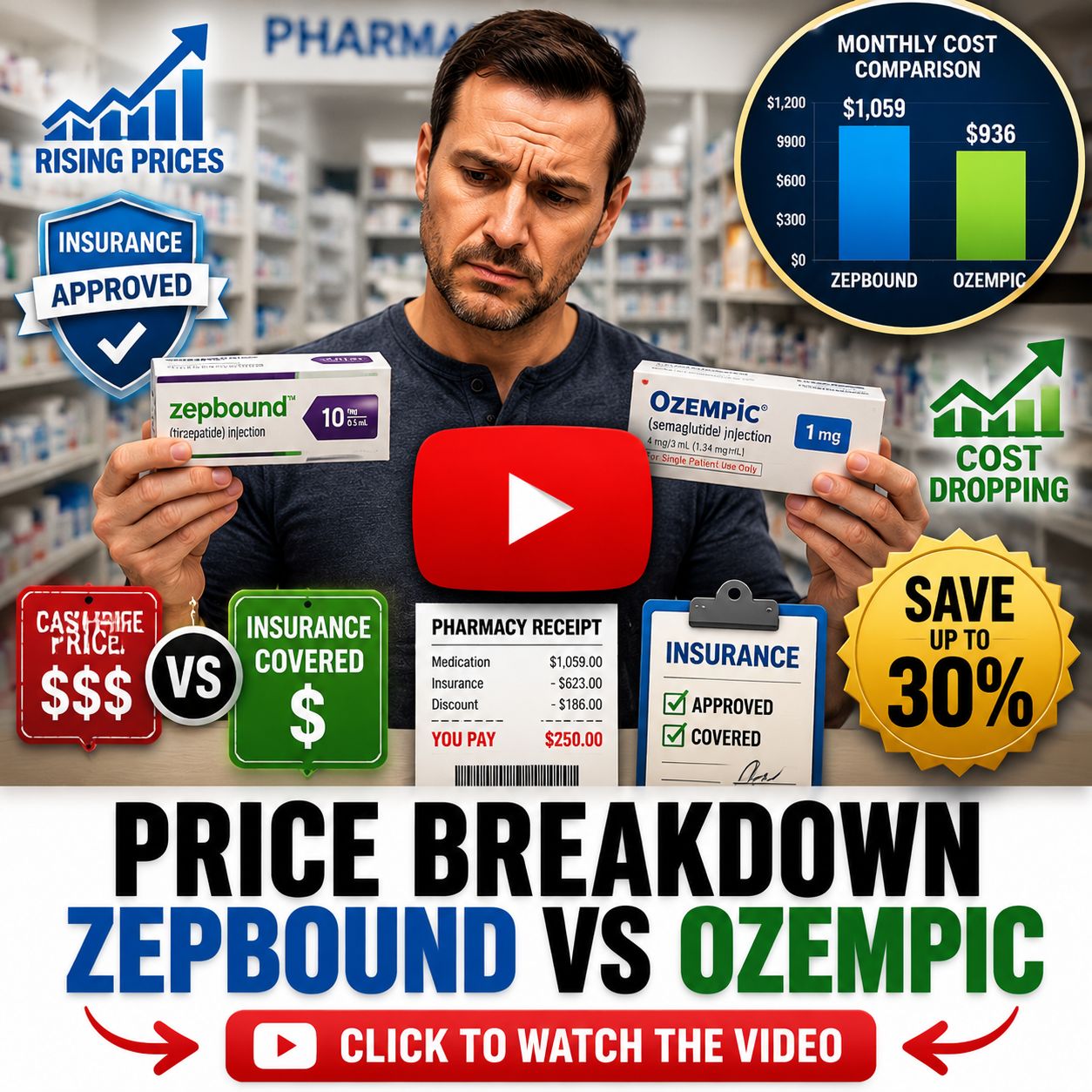
Is Zepbound Cheaper Than Ozempic? Cost Comparison Guide
Is Zepbound More Affordable Than Ozempic? Compare real costs, insurance coverage, and savings options for GLP-1 weight loss drugs.

When comparing modern GLP-1 medications for weight loss and diabetes care, one of the most common questions patients ask is: Is Zepbound cheaper than Ozempic?
The answer is not simple because pricing depends on insurance coverage, pharmacy programs, dosage, and whether you pay out of pocket or use savings cards.
Both Zepbound (tirzepatide) and Ozempic (semaglutide) are high-demand injectable medications used for metabolic health, but their costs can vary significantly.
In some cases, Zepbound may be cheaper due to manufacturer self-pay programs, while in others, Ozempic may be more affordable through insurance or diabetes coverage.
Understanding the real cost difference requires breaking down list prices, insurance pricing, and discount programs in 2026.
What Are Zepbound and Ozempic?
Ozempic
Zepbound
While both drugs improve blood sugar control and support weight loss, they differ in their mechanisms of action, approved uses, and pricing structures.
Zepbound vs Ozempic Cost Breakdown
List Price (Without Discounts)
At full retail pricing:
- Ozempic: around $900–$1,000 per month
- Zepbound: around $1,000–$1,100 per month
At this level, Ozempic is slightly cheaper in most pharmacies.
Manufacturer Self-Pay Programs
This is where the comparison changes:
- Ozempic (NovoCare): about $349/month self-pay option
- Zepbound (LillyDirect): about $299–$449/month depending on dose
In many cash-pay situations, Zepbound can be cheaper than Ozempic, especially at lower or standardized self-pay pricing tiers.
Insurance Coverage Costs
With insurance:
- Copays for both drugs often range from $25 to $150/month
- Coverage depends heavily on diagnosis (diabetes vs obesity)
- Ozempic is more widely covered due to its diabetes approval
- Zepbound coverage is growing, but still inconsistent
Here, Ozempic is often cheaper or easier to access if used for diabetes.
Compounded or Discounted Options
Some telehealth and pharmacy services offer compounded versions:
- Ozempic alternatives: ~$150–$300/month
- Zepbound alternatives: ~$170–$400/month
These prices vary widely and may not be FDA-branded medications.

Why Prices Differ So Much?
The cost difference between Zepbound and Ozempic comes down to several factors:
Insurance Classification
- Ozempic is classified mainly as a type 2 diabetes medication, which makes it more likely to be included in insurance formularies and preferred drug lists, improving coverage eligibility.
- Zepbound is primarily categorized as a weight-loss treatment, and many insurers still apply stricter rules or partial coverage limits.
Manufacturer Pricing Strategy
- Eli Lilly and Novo Nordisk follow different pricing and discount approaches.
- Lilly’s Zepbound self-pay and savings programs are often more aggressive in certain markets, helping reduce out-of-pocket costs.
- Novo Nordisk’s Ozempic discounts are more established through diabetes-focused insurance pathways.
Demand and Market Competition
- Both Zepbound and Ozempic face extremely high global demand, driven by rising rates of obesity and diabetes.
- This sustained demand keeps base list prices elevated, even though promotional savings, coupons, and insurance negotiations help moderate real-world costs for patients.
Dosage and Duration
- Treatment cost is strongly influenced by the prescribed dosage strength and the duration of therapy.
- Higher doses and long-term use significantly increase annual expenses for both medications, making sustained treatment a key cost consideration.
Real-World Cost Comparison (2026)
In practical terms:
- Best-case insured scenario: Both drugs cost similarly ($25–$150/month)
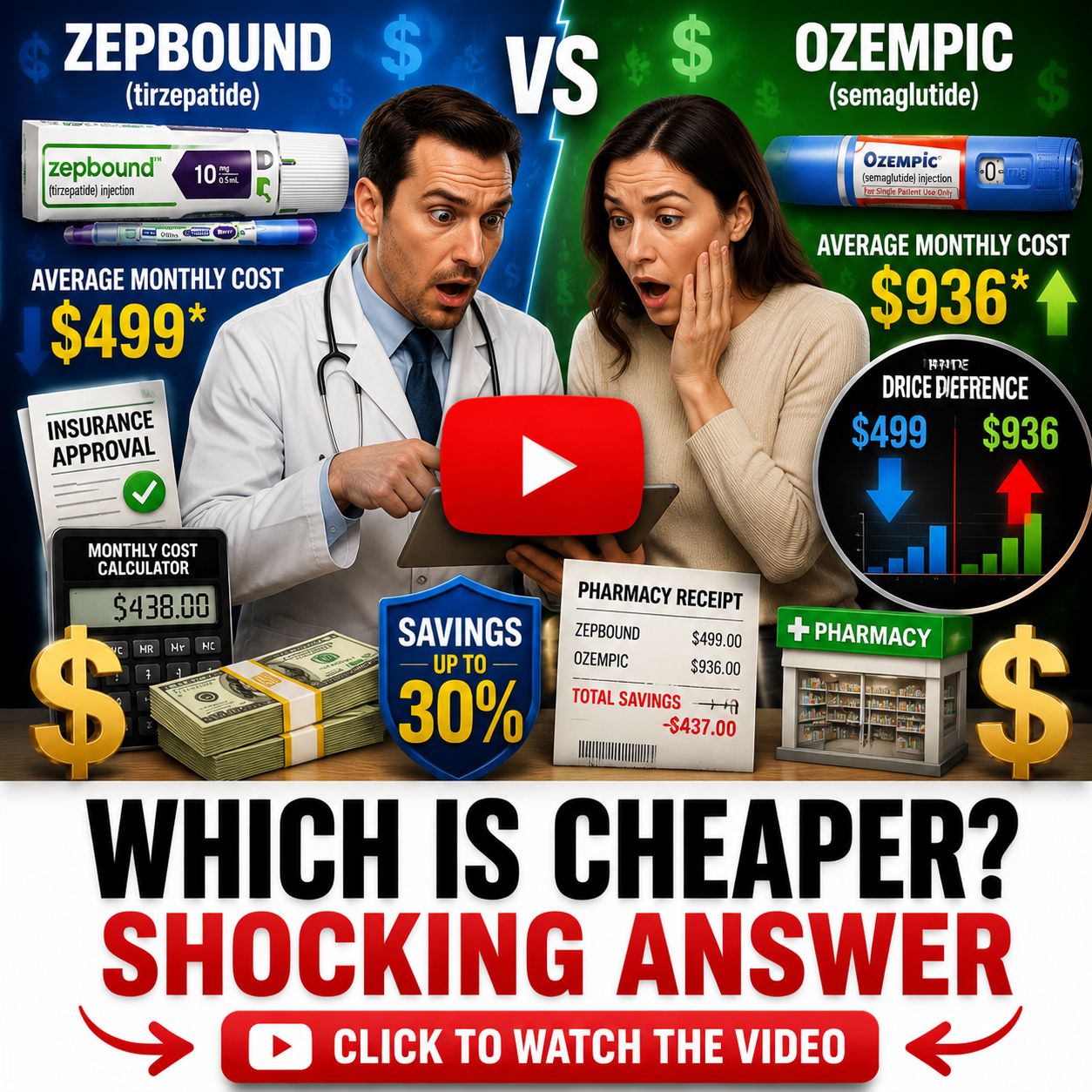
- Cash-pay scenario: Zepbound can sometimes be cheaper ($299 vs $349+)
- List price scenario: Ozempic is slightly cheaper
So the “cheaper” option depends entirely on how you access the medication.
Which One Saves More Money Long-Term?
When looking at annual spending:
- Ozempic cash pay: roughly $4,000–$12,000/year
- Zepbound cash pay: roughly $3,600–$13,000/year
This means:
- Zepbound can be cheaper in optimized self-pay programs
- Ozempic may be cheaper under stable insurance coverage
The gap is not huge, but it becomes meaningful over the long term.
Important Considerations Beyond Cost
Even though price matters, it shouldn’t be the only factor:
Effectiveness
- Clinical studies indicate that Zepbound (tirzepatide) often leads to greater average weight loss results compared to Ozempic in many patient groups, especially those with obesity or metabolic challenges.
- Zepbound’s dual-action mechanism (GLP-1 + GIP receptor activity) may enhance appetite control and metabolic response more strongly than Ozempic’s single GLP-1 pathway.
- In comparative trials, patients using Zepbound have shown higher percentages of total body weight reduction over a similar treatment period.
- Individual responses still vary—some patients may achieve similar or even better results with Ozempic depending on dosage, adherence, and lifestyle factors.
- Overall effectiveness data suggest that Zepbound may yield a greater average weight-loss outcome, but both medications remain clinically effective options under medical supervision.
Side Effects
Medical Purpose
Ozempic: primarily diabetes management
Ozempic is mainly prescribed for the management of type 2 diabetes, where it helps improve blood sugar control by enhancing insulin secretion and reducing appetite. It is widely used to lower HbA1c levels and support long-term glycemic stability, while also offering additional benefits, such as modest weight reduction in some patients under clinical supervision.
Zepbound: weight loss and obesity treatment
Zepbound is specifically designed and approved for chronic weight management in adults with obesity or weight-related conditions. It works via dual-hormone pathways (GLP-1 and GIP) to reduce appetite, increase satiety, and promote significant weight loss. It is primarily focused on obesity treatment rather than direct diabetes management.
Final Answer
So, is Zepbound cheaper than Ozempic?
👉 Sometimes yes, sometimes no.
Ozempic is often cheaper at full retail price and more consistently covered by insurance
Ozempic is often cheaper at full retail price and more consistently covered by insurance, especially for patients diagnosed with type 2 diabetes. Because it is widely recognized in diabetes treatment protocols, many insurance plans place it on preferred formularies, reducing out-of-pocket costs and making it more accessible for long-term use under medical supervision.
Zepbound can be cheaper through self-pay programs and discounts
Zepbound can be more affordable through self-pay programs and manufacturer discounts, particularly for patients paying out of pocket without insurance coverage. These savings programs are designed to improve affordability for weight-management users and, in some cases, can bring monthly costs significantly below standard retail pricing, depending on the dose and eligibility requirements.
The actual cost depends on insurance, eligibility, and pharmacy pricing models
The actual cost ultimately depends on insurance approval, medical eligibility criteria, pharmacy pricing agreements, dosage strength, and regional availability. Even for the same medication, prices can vary widely, meaning two patients may pay very different amounts for identical prescriptions depending on their coverage structure and access to discounts.