Horse Salt Trick: Meaning, Uses, Benefits & Truth Explained!
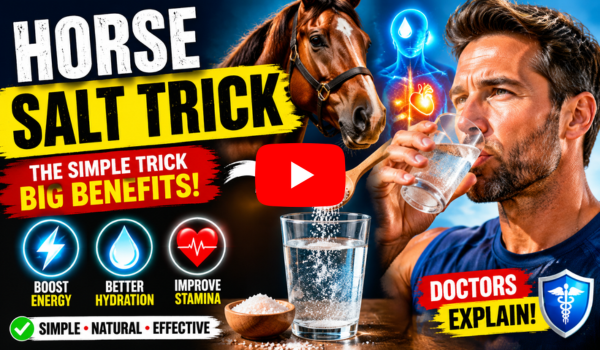
The “Horse Salt Trick” is a trending term used online to describe a set of salt-based home remedies or wellness hacks that are believed to support hydration, energy, digestion, or even physical performance.
Despite its dramatic name, it has nothing directly to do with horses in a medical sense. The term likely comes from the idea of “horse-strength” energy or endurance, symbolising power and stamina.
In most interpretations, the Horse Salt Trick involves mixing certain types of salt (such as pink salt or sea salt) in water and consuming it in small amounts.
Some versions include additional natural ingredients like lemon or honey. Supporters of this idea claim it can help restore electrolytes, improve hydration, or reduce fatigue.
However, it is important to understand that the Horse Salt Trick is not a scientifically recognised treatment or medical protocol.
It is more of a folk wellness trend that has spread through social media, blogs, and informal health communities.
While salt does play an essential role in maintaining fluid balance and nerve function, excessive or improper use can lead to unwanted side effects.
Origins of the Horse Salt Trick Trend
The Horse Salt Trick does not come from modern medical science. Instead, it appears to be a blend of traditional saltwater remedy concepts and internet wellness culture.
Historically, salt has been used for centuries in natural healing practices. Ancient cultures used salt water for cleansing wounds, improving digestion, and restoring minerals after heavy physical labour.
Athletes and labourers would sometimes consume salted water to prevent dehydration in hot climates.
The modern “Horse Salt Trick” likely evolved from these traditional practices and was rebranded online with a catchy, viral-friendly name.
The “horse” label may have been added to suggest strength, endurance, or performance enhancement.
Social media platforms have played a major role in spreading the idea. Influencers often present simplified wellness hacks that promise quick results, and salt-based drinks became part of this trend.
However, the scientific accuracy behind these claims is often unclear or exaggerated. While salt has real physiological importance, the “trick” version is not a standardised or clinically approved method.
How is the Horse Salt Trick Is Typically Used?
The most common version of the Horse Salt Trick involves dissolving a small amount of salt in a glass of water and drinking it, usually in the morning or after physical activity. Some variations include:
- Pink Himalayan salt mixed in warm water
- Sea salt dissolved in lemon water
- Salt combined with honey and warm water
- Electrolyte-style homemade drinks
The idea is that salt helps replenish electrolytes such as sodium, which are essential for hydration, muscle function, and nerve signalling. Some people use it after sweating heavily or feeling fatigued.
However, the key issue lies in dosage and frequency. Unlike medical electrolyte solutions that are carefully balanced, homemade salt drinks are not precisely measured.
Too much sodium intake can lead to bloating, increased blood pressure, or dehydration instead of relief.
There is also a psychological aspect. Some users feel an immediate “energy boost,” which may be related to hydration correction or placebo effects rather than any special property of the trick itself.
Overall, while occasional use in controlled amounts may be harmless for healthy individuals, it should not replace proper hydration strategies or medical treatment when needed.
Claimed Benefits of the Horse Salt Trick
Supporters of the Horse Salt Trick believe that consuming a small amount of salt before drinking water may offer several hydration-related benefits.
While scientific evidence for some claims remains limited, the most commonly reported advantages include:
From a scientific standpoint, salt (sodium chloride) plays a critical role in maintaining homeostasis in the human body. It helps regulate:
- Blood pressure
- Fluid balance inside and outside cells
- Nerve signal transmission
- Muscle contraction
When you sweat, your body loses both water and electrolytes. This is why sports drinks contain sodium and potassium.
However, research shows that most people already consume more sodium than needed through regular diets. Excess intake is linked to high blood pressure and cardiovascular strain.
The idea behind the Horse Salt Trick overlaps with electrolyte replacement theory, but it lacks precision.
Medical electrolyte solutions are carefully formulated with exact concentrations of sodium, potassium, and glucose. Homemade salt water does not follow these standards.
So while the science supports electrolyte replacement in specific situations, it does not validate the general use of salt water as a daily wellness hack.
Potential Risks and Side Effects
Many people compare the Horse Salt Trick to commercial electrolyte drinks, but there are important differences.
Electrolyte drinks are scientifically formulated to include balanced amounts of sodium, potassium, magnesium, and sometimes glucose. They are designed for rapid absorption and safe rehydration during illness, exercise, or heat exposure.
The Horse Salt Trick, on the other hand, is an unregulated homemade version. It typically contains only salt and water, without a balanced electrolyte profile.
Key differences:
- Electrolyte drinks: medically balanced, tested, standardised
- Horse Salt Trick: informal, variable, not scientifically measured
- Electrolyte drinks: designed for safety and performance
- Horse Salt Trick: depends on user preparation and accuracy
This comparison shows that while the concept overlaps, the execution and reliability are very different.
For proper hydration support, scientifically formulated solutions are generally safer and more effective.
Why the Horse Salt Trick Became Popular Online?
The popularity of the Horse Salt Trick can be explained by several psychological and cultural factors:
Health professionals generally take a cautious stance toward trends like the Horse Salt Trick. While they acknowledge the importance of electrolytes, they emphasise balance and evidence-based practices.
Doctors typically recommend:
- Drinking adequate clean water daily
- Using balanced electrolyte solutions when needed
- Avoiding excessive sodium intake
- Consulting professionals for chronic fatigue or health issues
From a medical perspective, there is no need for a specialised “salt trick” in healthy individuals with a balanced diet. Most people already receive sufficient sodium from food.
Experts also warn that overuse of social media health hacks can delay proper diagnosis or treatment of underlying conditions.
In short, while the idea is not entirely without scientific basis, it is not a substitute for medical hydration strategies or clinical care.
Final Verdict
The Horse Salt Trick is best understood as a simplified, informal hydration concept rather than a proven health solution.
It is based on the real role of sodium in the body but lacks scientific structure, dosage control, and clinical validation.
For healthy individuals, occasional mild use may not cause harm. However, it should not be relied upon as a daily wellness strategy or cure for fatigue, dehydration, or performance issues.
The safest approach is to prioritise:
- Balanced hydration with clean water
- Proper nutrition with natural electrolytes
- Medical-grade solutions when necessary
- Avoiding exaggerated online health claims
Ultimately, the Horse Salt Trick highlights how traditional health concepts can be reshaped into viral trends.
Understanding the difference between science and social media hype is the key to making safe and informed wellness decisions.

.
.
.