Hume Band vs Fitbit – Full Comparison and Which is Right for You?
Hume Band vs Fitbit: Compare advanced body composition insights, recovery tracking, and daily fitness monitoring features.
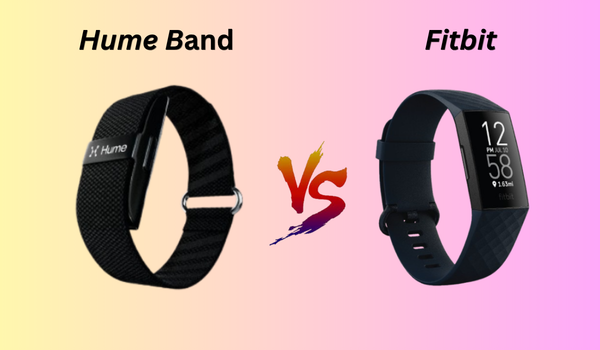
If you’re comparing the Hume Band vs Fitbit for health and fitness tracking, both wearables provide advanced wellness monitoring, sleep tracking, activity measurement, and smartphone connectivity.
However, they differ significantly in their primary focus, health metrics, battery performance, ecosystem integration, and overall value.
Hume Band stands out for its emphasis on recovery, resilience, metabolic capacity, and long-term health optimization through the Hume Health ecosystem.
Fitbit, on the other hand, excels as a versatile fitness wearable with extensive workout tracking, GPS capabilities, smartwatch features, and a mature health-tracking platform backed by years of development.
Hume Band vs Fitbit
Compare health tracking, battery life, features, and value to find the best wearable for you.
| Feature | Hume Band | Fitbit |
|---|---|---|
| Rating | 4.8/5 | 4.6/5 |
| Activity Features | Daily health scores, metabolic capacity insights, strain & recovery metrics, sleep tracking | Steps, workout tracking, GPS, sleep tracking, heart rate monitoring |
| Weight | 8.6g | Varies by model |
| Battery Life | Up to 7 days | Up to 7 days |
| CGM Compatibility | ❌ No | ✅ Yes |
| FSA/HSA Eligible | ✅ Yes | ❌ No |
| Mobile App | Hume Health App | Fitbit App |
| Price Range | $199–$249 (Click Here) | $199.95 – $299.00 |
| Subscription Cost | None Required | None Required |
| What We Liked | • Long-term health insights and metabolic capacity tracking • Subscription-free tracking and AI coaching • Daily fitness recommendations based on metabolic capacity • Claimed hypertension and blood pressure spike identification |
• Wide model selection • Reliable fitness tracking • GPS support • Mature ecosystem |
| What We Didn’t Like | • Material quality is not as premium as Fitbit | • Premium insights require a subscription • Data can feel fragmented across models |
Hume Band is a wellness-focused wearable designed for recovery, resilience, and metabolic health. Fitbit offers broader fitness tracking and smartwatch-like functionality, making it a strong option for active users.
Hume Band vs Fitbit: Quick Overview
What is Hume Band?
Hume Band is a health-focused wearable designed by Hume Health to provide deeper insights into recovery, resilience, sleep quality, and long-term wellness.
Rather than focusing solely on workouts and daily activity, Hume Band aims to help users understand how lifestyle habits influence overall health and longevity.
The wearable tracks important biomarkers including heart rate variability (HRV), heart rate, blood oxygen saturation (SpO₂), sleep quality, strain, recovery, and stress-related indicators.
Its standout features include Metabolic Momentum and Metabolic Capacity, which are designed to help users evaluate how their habits contribute to long-term health, energy levels, and recovery.
The screen-free design allows for distraction-free tracking, while all health data is presented through the Hume Health mobile app.
What is Fitbit?
Fitbit is one of the most recognized names in wearable fitness technology and offers a wide range of fitness trackers and smartwatches.
The Fitbit lineup includes devices such as Inspire, Charge, Sense, and Versa, each targeting different fitness and lifestyle needs.
Fitbit devices track metrics such as steps, calories burned, heart rate, sleep stages, blood oxygen levels, exercise performance, and stress indicators.
Many Fitbit models also include built-in GPS, workout modes, smartphone notifications, and advanced sensors like ECG and skin temperature tracking.
The Fitbit ecosystem is supported by the Fitbit mobile app and Fitbit Premium, which provides deeper insights, personalized recommendations, and guided wellness programs.
Hume Band vs Fitbit – Features
Hume Band Features
Advanced Recovery Tracking – Hume Band continuously monitors recovery metrics using HRV, sleep quality, resting heart rate, and recovery scores to help users understand how well their body is adapting to daily stress.
Longevity-Focused Metrics – Unique measurements such as Metabolic Momentum and Metabolic Capacity help users evaluate long-term health trends beyond traditional fitness statistics.
Sleep Optimization – The wearable tracks sleep duration, quality, recovery, and nighttime biometrics to provide actionable recommendations for better rest.
Stress Monitoring – Continuous monitoring of physiological signals helps identify periods of elevated stress and supports better lifestyle management.
Personalized Health Insights – The Hume Health app converts complex biometric data into easy-to-understand recommendations for improving recovery, energy, and wellness.
Lightweight Screen-Free Design – Its minimalist design allows for comfortable 24/7 wear without distractions from notifications or screen time.
Long-Term Trend Analysis – Users can review health trends over weeks and months to identify patterns affecting recovery, resilience, and overall wellness.
Continuous Wellness Monitoring – Automatic tracking operates throughout the day and night, requiring minimal user interaction.

Fitbit Features
Comprehensive Fitness Tracking – Fitbit tracks steps, calories burned, distance, active minutes, and workouts across a wide variety of exercise types.
Heart Rate Monitoring – Continuous heart rate tracking helps users monitor exercise intensity, cardiovascular performance, and daily activity levels.
Sleep Stage Analysis – Fitbit provides detailed sleep reports including light sleep, deep sleep, REM sleep, and overall sleep quality scores.
Built-In GPS – Many Fitbit models include integrated GPS for tracking outdoor activities such as running, walking, and cycling without carrying a phone.
Smart Notifications – Users can receive calls, texts, app alerts, and reminders directly from their wrist.
Advanced Health Sensors – Higher-end Fitbit models include ECG functionality, skin temperature tracking, and blood oxygen monitoring.
Guided Workouts – The Fitbit platform offers workout programs, exercise guidance, and wellness coaching through Fitbit Premium.
Strong Ecosystem Integration – Fitbit integrates with services such as Google Health Connect, Strava, and MyFitnessPal, creating a comprehensive fitness ecosystem.
Hume Band vs Fitbit – Benefits
Hume Band Benefits
- Improved Recovery Awareness – Hume Band helps users understand how sleep, stress, and activity affect recovery, allowing them to make smarter daily decisions.
- Better Long-Term Health Tracking – By focusing on metabolic health and resilience, the device encourages habits that support long-term wellness and healthy aging.
- Enhanced Sleep Quality – Detailed sleep monitoring provides insights that can help users optimize their sleep routine and recovery process.
- Reduced Lifestyle Stress – Continuous monitoring of recovery and stress metrics helps identify factors that may negatively impact overall wellbeing.
- Actionable Health Insights – Rather than overwhelming users with data, the Hume Health app converts biometrics into simple recommendations that are easy to follow.
- Comfortable 24/7 Monitoring – The lightweight, screen-free design makes it easy to wear throughout the day and night without interruptions.

Fitbit Benefits
- Comprehensive Fitness Tracking – Fitbit helps users monitor daily activity, workouts, calories burned, and exercise performance across multiple sports.
- Strong Motivation Features – Activity goals, reminders, achievements, and community challenges encourage users to stay active and engaged.
- Advanced Workout Support – Built-in GPS and exercise modes provide valuable performance data for running, cycling, walking, and other activities.
- Detailed Sleep Monitoring – Sleep stage tracking and sleep scores help users understand their sleeping patterns and recovery needs.
- Convenient Smart Features – Notifications, alarms, reminders, and smartphone connectivity add convenience throughout the day.
- Large Ecosystem and Community – Fitbit’s established platform includes integrations, social features, and wellness programs that help support long-term engagement.
Hume Band emphasizes recovery, resilience, and longevity, while Fitbit excels at fitness tracking, workout support, and motivation tools.
Hume Band vs Fitbit – Pros & Cons
Hume Band Pros & Cons
| ✅ Pros | ❌ Cons |
|---|---|
| Extremely lightweight and comfortable | Smaller ecosystem compared to Fitbit |
| Strong focus on recovery and wellness | Limited smartwatch features |
| Tracks unique longevity-focused metrics | |
| Long battery life up to 7 days | |
| Subscription not required for core features |
Fitbit Pros & Cons
| ✅ Pros | ❌ Cons |
|---|---|
| A wide range of models is available | Premium insights require a subscription |
| Reliable fitness and workout tracking | Battery life varies by model |
| GPS available on many devices | Bulkier than screen-free wearables |
| Established health ecosystem | |
| Strong app integrations and community |
While Fitbit offers greater versatility and fitness functionality, Hume Band provides a simpler and more recovery-focused experience.
Hume Band vs Fitbit – Cost and Value
Hume Band Price
Hume Band is positioned in the mid-premium wearable category and focuses on delivering health insights without requiring an expensive ecosystem.
Pricing generally ranges from approximately $199 to $249 depending on available promotions and package options.
Unlike many competing wearables, core health tracking features are available without requiring an ongoing subscription.
Users who want additional coaching and advanced insights can optionally subscribe to premium services, but the standard experience remains highly functional on its own.
✅ Get Hume Band at the Lowest Price Today!
Fitbit Price
Fitbit offers a broader range of pricing options than the Hume Band.
Entry-level devices such as the Inspire series are available at relatively $199.95 to $299.00 affordable prices, while premium devices such as Sense and Versa models cost significantly more.
Fitbit Premium is available as an optional subscription that unlocks deeper health insights, guided programs, and advanced wellness analytics.
Although Fitbit provides flexibility across different budgets, long-term costs can increase if users subscribe to premium services.
✅ Get Fitbit at the Lowest Price Today!
For users focused on wellness and recovery tracking, Hume Band offers strong value through subscription-free core features and long-term health insights.
Hume Band vs Fitbit – Battery Life
Hume Band Battery Life
Battery life is one of Hume Band’s biggest advantages.
A single charge can last up to 7 days under normal usage conditions, allowing users to continuously track sleep, recovery, stress, and health metrics without frequent charging.
Because the device has no display and fewer power-intensive features, battery consumption remains relatively low.
This makes Hume Band especially useful for uninterrupted sleep tracking and long-term wellness monitoring.
Charging is also relatively fast, typically taking less than 90 minutes for a full recharge.
Fitbit Battery Life
Fitbit battery performance depends on the specific model and usage patterns.
Many Fitbit devices can also reach up to 7 days of battery life under standard conditions.
However, enabling features such as GPS, always-on displays, and frequent notifications can significantly reduce battery duration.
Users who frequently use fitness tracking, outdoor workouts, or smartwatch functions may find themselves charging more often.
While battery performance remains competitive, real-world usage can vary considerably between Fitbit models.
Hume Band maintains an advantage through its consistently long battery life and low-maintenance design, while Fitbit battery performance depends heavily on model and feature usage.
Hume Band vs Fitbit: Which One Should You Choose?
Choosing between the Hume Band and the Fitbit largely depends on your personal health and fitness goals.
If your primary focus is recovery, sleep optimization, resilience, and long-term wellness, Hume Band offers a compelling solution.
Its screen-free design, lightweight construction, recovery-focused metrics, and personalized health insights make it ideal for users who want meaningful wellness guidance without distractions.
Fitbit is the better option for users who prioritize exercise tracking, GPS functionality, workout monitoring, and smartwatch-style features. Its broad product lineup and mature ecosystem make it suitable for beginners and experienced fitness enthusiasts alike.
For users seeking a wearable focused on longevity, recovery, and metabolic health, Hume Band stands out as the stronger choice.
For users who want comprehensive fitness tracking and connected features, Fitbit remains one of the best wearable platforms available.
Conclusion
For most users interested in recovery, wellness, and long-term health optimization, Hume Band emerges as the stronger overall choice in this comparison.
While Fitbit continues to be one of the most recognizable names in wearable fitness technology, its greatest strengths lie in workout tracking, exercise monitoring, GPS functionality, and ecosystem integrations.
Hume Band takes a different approach by focusing on the factors that influence long-term wellbeing.
Through advanced recovery monitoring, sleep tracking, stress analysis, and metabolic health insights, it helps users better understand how daily habits impact overall health.
Its lightweight design, screen-free experience, long battery life, and subscription-free core features make it an attractive option for users who value simplicity and actionable health insights.
Fitbit remains an excellent choice for users seeking a versatile fitness wearable with strong workout tracking capabilities and smartwatch-like functionality.
However, for users prioritizing recovery, resilience, sleep quality, and long-term wellness, Hume Band delivers greater value and a more focused health-tracking experience.
If your goal is to better understand your body, improve recovery, and support long-term health, the Hume Band is our top recommendation in the Hume Band vs Fitbit comparison.

Click To Learn More About Hume Band
.
.
.