12 Ways to Get Rid of Eye Floaters Naturally & Fast at Home!
Discover 12 natural ways to get rid of eye floaters fast at home using simple remedies, eye care habits, and lifestyle tips for clearer vision. naturally today

Eye floaters are one of the most common vision problems, especially among adults over the age of 40. They often appear as tiny dots, specks, cobwebs, threads, rings, or shadowy shapes that seem to drift across your field of vision.
Although floaters may appear to move quickly when you move your eyes, they usually drift slowly through the eye’s natural gel and can be difficult to focus on directly.
In most cases, eye floaters are harmless and become less noticeable over time. However, a sudden increase in floaters or changes in vision should never be ignored.
What Causes Eye Floaters?
Inside your eye is a clear, gel-like substance called the vitreous humour, which helps maintain the eye’s shape. As you get older, this gel gradually becomes more liquid and begins to shrink.
During this natural ageing process, tiny collagen fibres can clump together inside the vitreous. These clumps cast small shadows on the retina, creating the floating spots you see.
Age-related changes are the most common cause of eye floaters, but several other conditions may also contribute, including:
- Ageing of the vitreous gel
- Eye injuries or trauma
- Nearsightedness (myopia)
- Diabetes and diabetic eye disease
- Eye inflammation (uveitis)
- Previous eye surgery
- Bleeding inside the eye
- Retinal tears or retinal detachment
Understanding the underlying cause is important because not all floaters are harmless.
Common Symptoms of Eye Floaters
People describe eye floaters in different ways, but the most common symptoms include:
- ⚫ Small black or grey dots
- 🕸️ Cobweb-like shapes
- ➰ Squiggly or wavy lines
- 🧵 Thread-like strands
- ⚪ Transparent circles or rings
- 🌫️ Shadowy spots drifting across vision
- 👀 Specks that move as your eyes move
- ☀️ Floaters that are most noticeable against bright backgrounds, such as a blue sky or a white screen.
Can Eye Floaters Be Reduced Naturally?
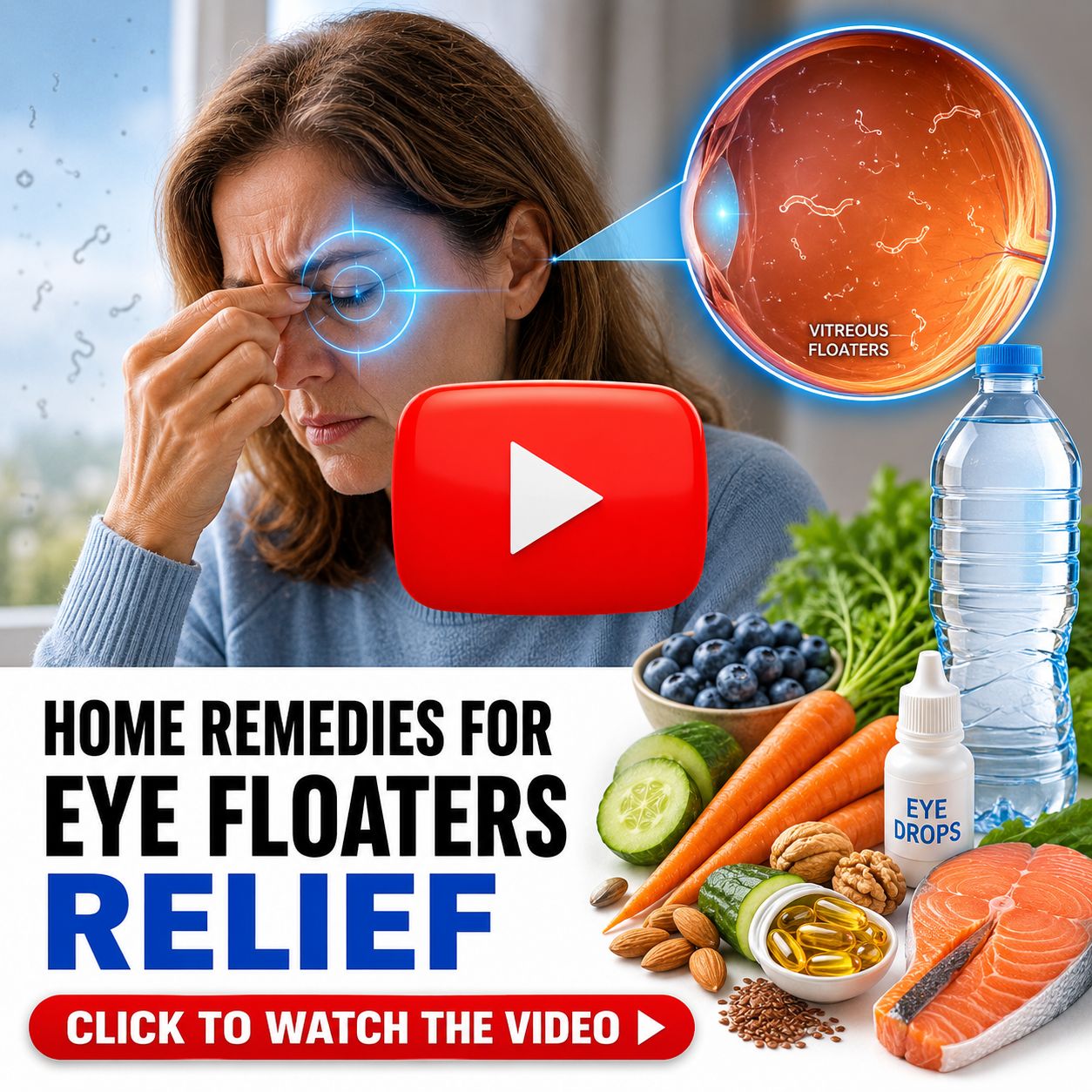
There is currently no proven natural remedy that can completely remove existing eye floaters. However, healthy lifestyle habits may help support overall eye health, reduce oxidative stress, improve circulation, and protect the retina from further damage.
Natural strategies may help:
- ✅ Support healthy eye function
- ✅ Reduce oxidative stress
- ✅ Promote proper hydration
- ✅ Provide nutrients that support the retina and vitreous
- ✅ Lower the risk of certain eye conditions
- ✅ Protect long-term vision
Many people also find that their brain gradually adapts, causing existing floaters to become much less noticeable over time.
When Should You See an Eye Doctor?
Seek immediate medical attention if you notice:
- 🚨 A sudden increase in the number of floaters
- ⚡ Flashes of light
- 🌑 A dark curtain or shadow covering part of your vision
- 👁️ Sudden loss of peripheral (side) vision
- 📉 Blurred vision that develops suddenly
These symptoms may indicate a retinal tear or retinal detachment, which is a medical emergency that requires prompt treatment to help prevent permanent vision loss.
12 Natural Ways to Support Eye Health and Reduce Eye Floaters
If you’re looking for practical ways to support healthy vision, this guide covers 12 natural strategies that may help protect your eyes, nourish the retina, improve overall eye health, and reduce risk factors associated with eye floaters.
While natural remedies cannot dissolve existing floaters, they can play an important role in maintaining healthy vision and supporting long-term eye health.
1. Stay Properly Hydrated
One of the simplest natural strategies for supporting eye health is maintaining adequate hydration.
Water plays a vital role in nearly every bodily function, including circulation, nutrient delivery, and cellular maintenance. Proper hydration helps support the tissues within the eyes and contributes to overall visual health.
Why Hydration Matters?
Dehydration may contribute to:
- Eye Fatigue
- Dry Eyes
- Blurred Vision
- Reduced Circulation
- Increased Eye Strain
While drinking water does not directly remove floaters, staying hydrated supports healthy eye function and may help minimise discomfort associated with visual fatigue.
Hydration Tips
Examples include:
Proper hydration supports overall eye wellness and may help maintain healthy vitreous function over time.
2. Eat More Antioxidant-Rich Foods
Nutrition plays a major role in protecting eye tissues from oxidative stress and age-related damage.
Oxidative stress occurs when harmful molecules called free radicals damage cells faster than the body can repair them. Over time, this process may contribute to various eye conditions.
Antioxidants help neutralise free radicals and support healthy eye function.
Best Antioxidant Foods for Eye Health
Blueberries
- Rich in anthocyanins that help protect eye tissues from oxidative damage.
Spinach
- Contains lutein and zeaxanthin, two nutrients that support retinal health.
Kale
- One of the richest dietary sources of eye-protective carotenoids.
Bell Peppers
- Provide vitamin C and additional antioxidants.
Carrots
- Contain beta-carotene, which the body converts into vitamin A.
Broccoli
- Offers antioxidants, vitamin C, and anti-inflammatory compounds.
Benefits of Antioxidants
Antioxidant-rich foods may help:
- Protect Retinal Cells
- Support Healthy Circulation
- Reduce Oxidative Stress
- Promote Long-Term Eye Health
- Slow Age-Related Eye Changes
Including a variety of colourful fruits and vegetables daily is one of the most effective natural strategies for supporting healthy vision.
3. Increase Vitamin C Intake
Vitamin C is an important nutrient for maintaining healthy eyes.
This powerful antioxidant helps protect eye tissues from free-radical damage and supports the production of collagen, a structural protein found throughout the body, including the eyes.
Potential Benefits of Vitamin C
Vitamin C may help:
- Support Healthy Blood Vessels
- Reduce Oxidative Stress
- Protect Eye Tissues
- Promote Overall Eye Health
- Support Collagen Production
Foods Rich in Vitamin C
Excellent sources include:
As people age, oxidative damage accumulates within the eyes. Consuming adequate vitamin C may help support healthy ageing and maintain visual function.
Adding fresh fruits and vegetables to meals and snacks is an easy way to increase daily vitamin C intake naturally.
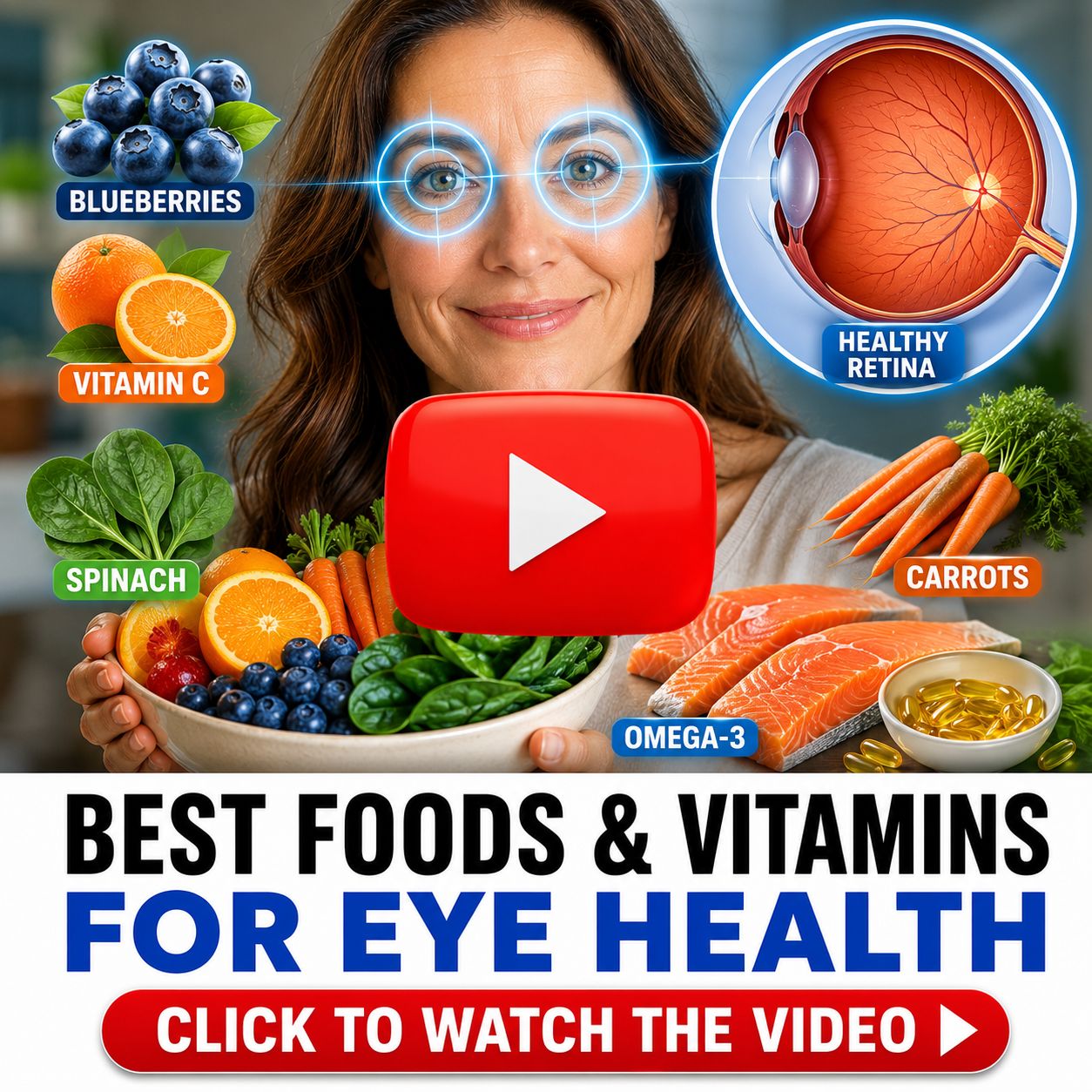
4. Consume More Omega-3 Fatty Acids
Omega-3 fatty acids are healthy fats that play an important role in eye health.
These fats help support cellular membranes, reduce inflammation, and promote proper function throughout the body.
How Omega-3s Support Eye Health?
Omega-3 fatty acids may help:
Fatty Fish
Examples include:
- Salmon
- Sardines
- Mackerel
- Trout
- Herring
Plant Sources
Include:
- Chia Seeds
- Flaxseeds
- Walnuts
- Hemp Seeds
Why They Matter?
Healthy fats are essential for maintaining eye structure and supporting long-term visual health.
Aim to include omega-3-rich foods several times each week.
5. Reduce Screen Time and Digital Eye Strain
Modern lifestyles expose our eyes to screens for many hours every day.
Extended screen use may contribute to eye strain, dryness, fatigue, and increased awareness of floaters.
Common Symptoms of Digital Eye Strain
- Tired Eyes
- Blurred Vision
- Headaches
- Dryness
- Difficulty Focusing
- Increased Visual Discomfort
The 20-20-20 Rule
A simple strategy is:
Every 20 minutes, look at something 20 feet away for at least 20 seconds.
This allows eye muscles to relax and reduces strain.
Additional Tips
- Blink Frequently
- Adjust Screen Brightness
- Use Proper Lighting
- Increase Text Size
- Maintain Proper Posture
- Take Regular Breaks
Reducing eye strain may not eliminate floaters, but it can make them less noticeable and improve overall visual comfort.
6. Practice Gentle Eye Exercises
Although eye exercises cannot remove floaters, they may help reduce eye fatigue and support healthy visual function.
Regular eye movement encourages flexibility and may improve comfort during prolonged reading or screen use.
Eye Movement Exercise
Slowly move your eyes:
- Hold your finger several inches from your face.
- Focus on your finger for a few seconds.
- Then focus on an object farther away.
- Repeat multiple times.
Blinking Exercise
- Slowly blink for several seconds.
- Repeat ten to fifteen times.
- This helps distribute tears across the eye surface and may reduce dryness.
Potential Benefits
Gentle eye exercises may help:
Quality sleep is essential for maintaining overall eye health and allowing the body to perform important repair processes.
Although sleep does not directly eliminate eye floaters, inadequate sleep may increase eye strain, fatigue, dryness, and visual discomfort, making floaters appear more noticeable.
Many people find that their eyes feel healthier and more comfortable when they consistently get sufficient rest.
Why Sleep Matters?
During sleep, the body:
- Maintain a Consistent Schedule
- Go to bed and wake up at the same time each day.
- Limit Screen Exposure
- Avoid phones, tablets, and computers before bedtime.
- Create a Comfortable Sleep Environment
Keep your bedroom:
- Cool
- Quiet
- Dark
Avoid Stimulants Late in the Day
Reduce caffeine intake during the evening hours.
Practice Relaxation Techniques
Deep breathing, meditation, and gentle stretching may improve sleep quality.
Prioritising sleep supports overall wellness and may help reduce visual stress that can make floaters more noticeable.
8. Wear UV-Protective Sunglasses
Long-term exposure to ultraviolet (UV) radiation may contribute to various eye problems and accelerate age-related changes within the eyes.
Protecting your eyes from harmful UV rays is an important part of maintaining long-term eye health.
Benefits of UV Protection
Quality sunglasses may help:
- Reduce Eye Strain
- Protect Retinal Tissues
- Lower UV Exposure
- Improve Visual Comfort
- Reduce Glare
Choosing the Right Sunglasses
Look for sunglasses that provide:
When outdoors:
- Wear a Wide-Brimmed Hat
- Avoid Prolonged Direct Sunlight
- Use Sunglasses Year-Round
Protecting your eyes from UV damage may support healthier ageing and help preserve overall visual function.
9. Manage Blood Sugar Levels
Healthy blood sugar control is important for protecting the eyes, particularly for individuals with diabetes or prediabetes.
Elevated blood sugar levels can damage small blood vessels throughout the body, including those that nourish eye tissues.
Over time, this may increase the risk of diabetic eye complications.
Why Blood Sugar Matters?
High blood sugar may contribute to:
Focus on:
- Lean Protein
- Healthy Fats
- Fibre-Rich Vegetables
- Whole Grains
Reduce Added Sugars
Limit:
Physical activity helps improve insulin sensitivity and blood sugar control.
Stay Hydrated
Proper hydration supports healthy circulation and metabolism.
Monitor Blood Sugar Levels
Regular monitoring helps identify trends and maintain better control.
Healthy blood sugar management supports both eye health and overall wellness.
10. Reduce Inflammation Naturally
Chronic inflammation has been linked to many age-related health conditions, including those affecting the eyes.
Following an anti-inflammatory lifestyle may help support healthy tissues throughout the body.
Anti-Inflammatory Foods
Turmeric
- Contains curcumin, a compound known for its antioxidant properties.
Ginger
- Traditionally used to support healthy inflammatory responses.
Green Tea
- Rich in beneficial plant compounds called catechins.
Olive Oil
- Provides healthy fats and antioxidant support.
Leafy Greens
- Contain nutrients that support eye and vascular health.
Fatty Fish
- Provide omega-3 fatty acids that may help regulate inflammation.
Lifestyle Habits That Help Reduce Inflammation
Smoking and excessive alcohol consumption may negatively affect eye health and increase the risk of numerous vision-related problems.
Both habits contribute to oxidative stress and may impair circulation throughout the body.
How Smoking Affects the Eyes?
Smoking may:
- Increase oxidative damage
- Reduce circulation
- Accelerate ageing processes
- Increase risk of eye disease
- Impair tissue repair
How Excess Alcohol May Affect Eye Health?
Heavy alcohol consumption may:
- Contribute to dehydration
- Increase inflammation
- Reduce nutrient absorption
- Affect circulation
- Impact overall health
Benefits of Reducing These Habits
Many individuals experience improvements in overall wellness when they:
- Stop smoking
- Limit alcohol intake
- Improve hydration
- Follow a healthier diet
Protecting your eyes often starts with protecting your overall health.
12. Maintain Regular Eye Checkups
Regular eye examinations remain one of the most important strategies for preserving vision and detecting potential problems early.
While many eye floaters are harmless, sudden vision changes may signal more serious conditions that require prompt medical attention.
Why Eye Exams Matter?
Routine examinations help monitor:
- Eye pressure
- Retinal health
- Vision changes
- Diabetic eye disease
- Age-related eye conditions
Conditions an Eye Exam May Detect
- Retinal tears
- Retinal detachment
- Macular degeneration
- Diabetic retinopathy
- Glaucoma
- Cataracts
How Often Should You Get an Eye Exam?
General recommendations include:
- Every 1–2 years for healthy adults
- More frequently if recommended by your eye doctor
- Annual exams for individuals with diabetes or existing eye conditions
Seek Immediate Medical Attention If You Notice:
- Sudden increase in floaters
- Flashes of light
- Curtain-like shadow across vision
- Sudden vision loss
- Eye injury accompanied by floaters
Early detection often leads to better outcomes and may help prevent permanent vision loss.
Regular eye checkups provide peace of mind and help ensure long-term eye health.
What Causes Eye Floaters?
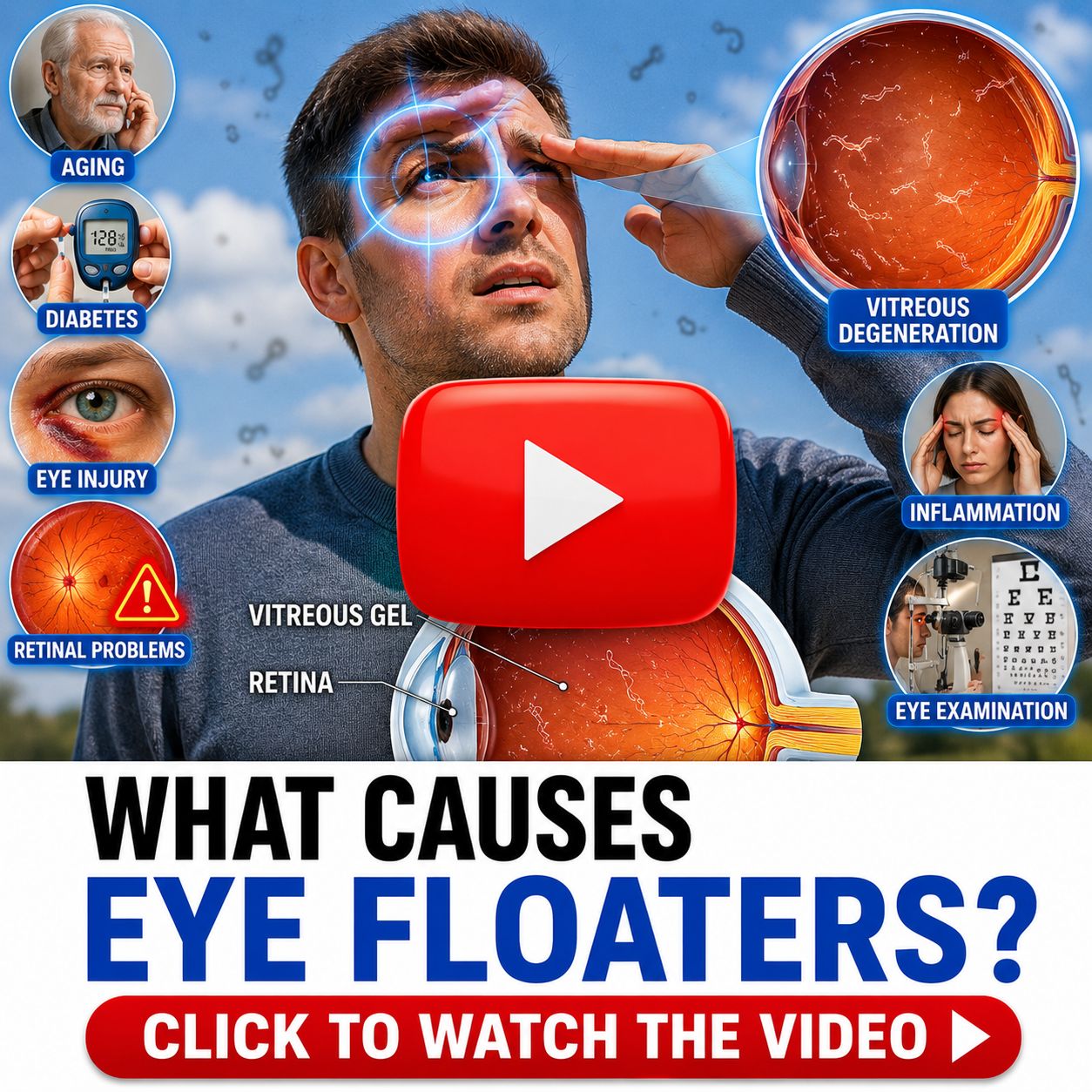
Eye floaters develop when changes occur inside the eye’s vitreous gel, the clear substance that fills the eyeball.
As we age, this gel becomes more liquid and can form tiny clumps or strands that cast shadows on the retina, leading to the appearance of floaters.
Several factors can contribute to the development of eye floaters:
- Ageing – The most common cause, as the vitreous naturally shrinks and changes over time
- Vitreous Degeneration – Breakdown of the gel structure inside the eye
- Eye Injury – Trauma can disrupt the vitreous or retina
- Inflammation – Eye infections or internal inflammation may increase floaters
- Diabetic Eye Disease – High blood sugar can damage retinal blood vessels
- Retinal Tears or Detachment – Serious conditions that require immediate medical attention
- Nearsightedness (Myopia) – Higher risk of early vitreous changes
- Eye Surgery – Procedures like cataract surgery may trigger floaters
Understanding the underlying cause is important because treatment and management strategies often depend on what is triggering the condition.
Can Eye Floaters Go Away Naturally?
In many cases, eye floaters do not completely disappear. However, they often become less noticeable over time as the brain learns to ignore them through a process called “neuroadaptation.”
Some people may experience improvement in symptoms, especially when underlying factors like eye strain, dehydration, or inflammation are addressed.
Natural lifestyle habits such as proper nutrition, hydration, and reducing eye strain may help support overall eye comfort and reduce awareness of floaters.
Can Eye Floaters Be Prevented?
While not all eye floaters can be prevented, certain healthy habits may reduce the risk of developing them early or worsening existing symptoms.
Preventive strategies include:
- Maintaining a healthy diet rich in antioxidants
- Staying hydrated daily
- Wearing UV-protective sunglasses outdoors
- Managing blood sugar levels
- Avoiding smoking and excess alcohol
- Protecting eyes from injury
- Scheduling regular eye checkups
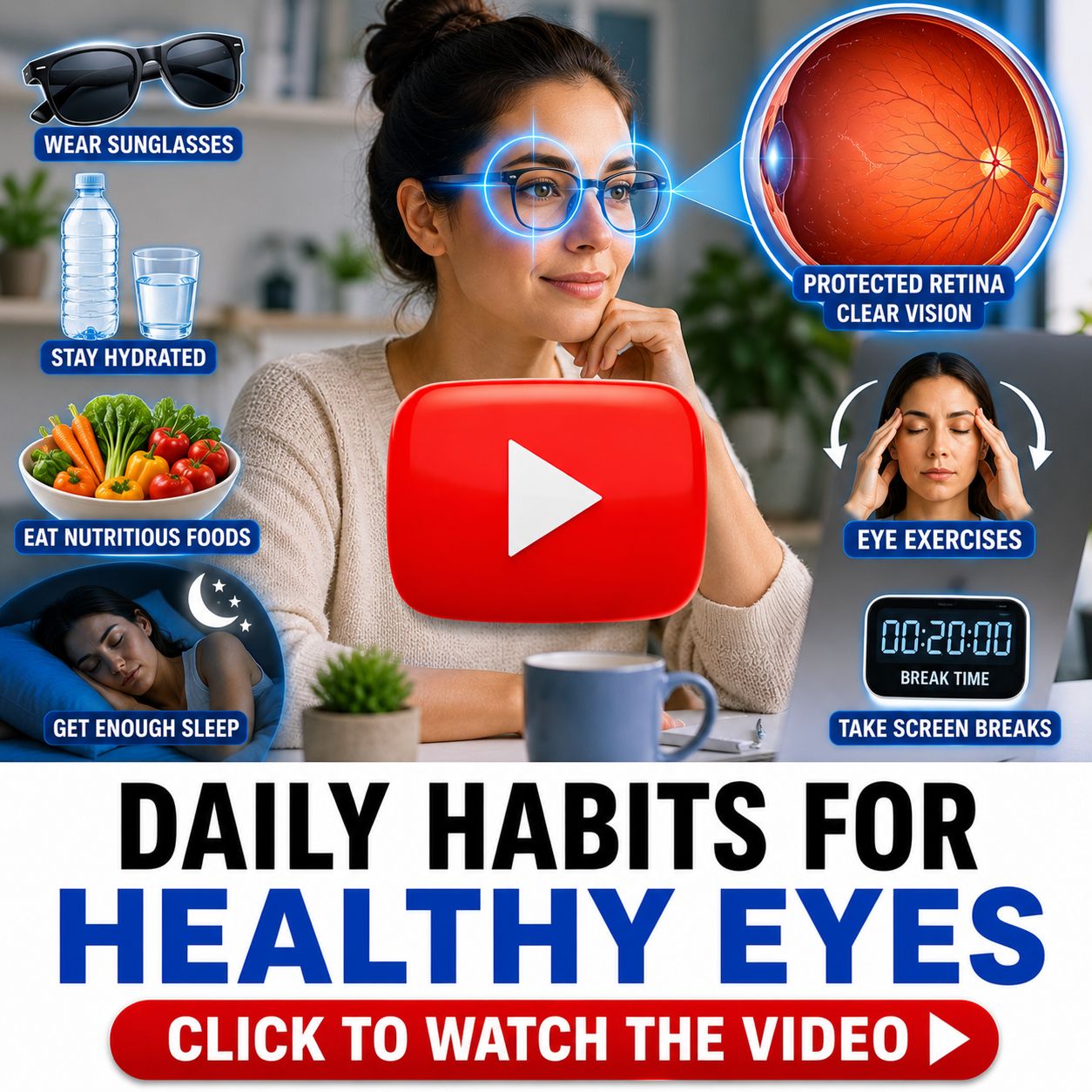
Consistent eye care and a healthy lifestyle can support long-term vision health and reduce risk factors associated with floaters.
Conclusion:
Eye floaters are a common visual condition, especially with aging, and while they are usually harmless, they can be frustrating and distracting. Understanding their causes and symptoms is the first step toward managing them effectively.
By following natural strategies such as proper nutrition, hydration, reducing screen strain, improving sleep, and protecting eye health, many people can support overall vision wellness and reduce discomfort.
Although these methods may not eliminate floaters, they can help improve eye comfort and slow the progression of contributing factors over time.
If floaters suddenly increase, are accompanied by flashes of light, or cause vision loss, seek immediate medical attention.
A consistent and healthy lifestyle remains the best long-term approach to maintaining strong vision and overall eye health.
.
.
.