Himalayan Salt Diet For High Blood Pressure – Facts & Risks
Himalayan Salt Diet For High Blood Pressure – (⚠️WHAT SCIENCE SAYS!) Learn the effects on BP, risks, benefits & safe usage tips.
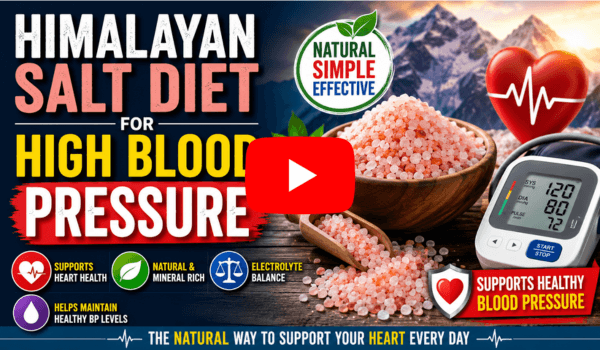

The Himalayan Salt Diet for High Blood Pressure has become a trending wellness topic, often promoted as a “natural” alternative to regular salt.
Many people believe that switching to Himalayan pink salt can help reduce blood pressure levels and support heart health due to its trace minerals and less processed nature.
However, medical research shows that the key factor affecting blood pressure is not the type of salt, but the total sodium intake.
Himalayan salt and regular table salt contain almost the same amount of sodium, meaning both can impact blood pressure equally when consumed in excess.
This article explains how Himalayan salt interacts with blood pressure, what benefits and risks it may have, and how to use it safely as part of a heart-healthy lifestyle.
What Is Himalayan Pink Salt?
Himalayan pink salt is a naturally occurring rock salt mined from ancient salt deposits in the Himalayan region, primarily in Pakistan.
It is known for its pink color, which comes from trace minerals such as iron, magnesium, and potassium.
Unlike refined table salt, it undergoes minimal processing. Because of this, many people consider it a “cleaner” alternative.
However, the mineral content is very small and does not significantly impact daily nutritional intake.
How Is Blood Pressure Affected by Salt?
Blood pressure is strongly influenced by sodium intake. When you consume too much sodium:
- The body retains more water
- Blood volume increases
- Pressure on blood vessel walls rises
This can lead to or worsen hypertension over time.
Both Himalayan salt and table salt are primarily sodium chloride, meaning they have similar effects on blood pressure when consumed in large amounts.
Himalayan Salt Lower Blood Pressure
Himalayan Salt Diet For High Blood pressure may support habits, but sodium control is key for healthy BP management.
There is no scientific evidence that Himalayan salt directly lowers blood pressure.
While it is often marketed as a healthier option, it does not contain any active compounds that reduce hypertension.
Any perceived improvement is usually due to:
- Overall reduction in processed food intake
- Increased hydration awareness
- Lifestyle changes alongside diet improvements
The salt itself is not a treatment for high blood pressure.
Trace Minerals in Himalayan Salt – Do They Help?
Himalayan salt contains small amounts of minerals such as:
- Magnesium
- Potassium
- Calcium
- Iron
✔ Himalayan salt contains trace minerals like magnesium, potassium, calcium, and iron, but only in very small amounts that are not nutritionally significant for daily health needs.
✔ Although these minerals play an important role in cardiovascular health, the concentration found in salt is too minimal to produce any measurable impact on blood pressure levels.
✔ The body requires these nutrients in much larger quantities than what Himalayan salt can realistically provide through normal dietary use.
✔ Relying on salt as a mineral source is not effective, as it cannot replace nutrient-dense whole foods that supply essential vitamins and minerals.
✔ For meaningful cardiovascular and blood pressure benefits, foods like fruits, vegetables, nuts, seeds, and legumes remain far superior and scientifically supported choices.
Sodium Intake: The Real Key to Blood Pressure Control
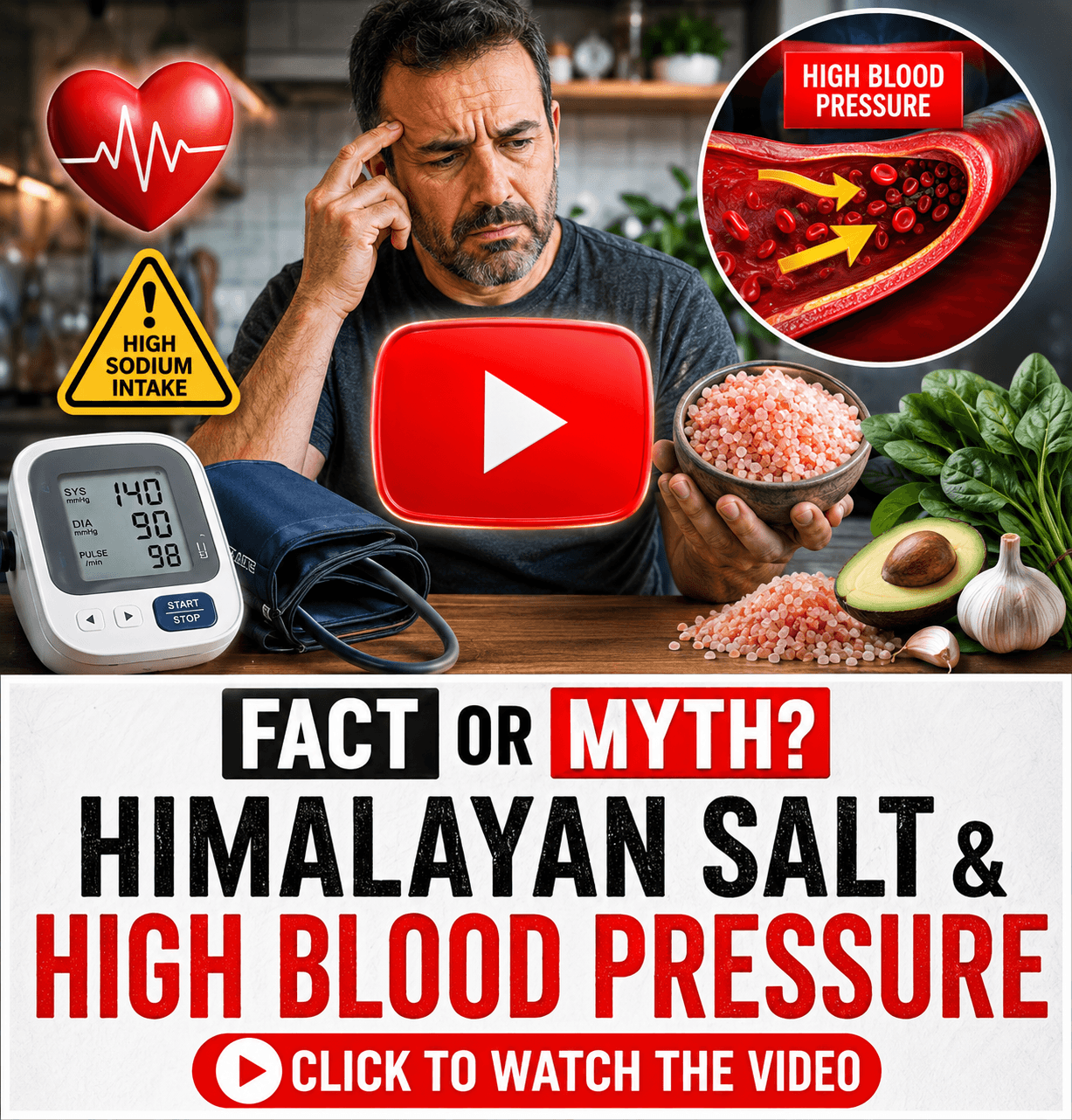
The most important factor in managing blood pressure is controlling sodium intake, not switching salt types.
Health experts recommend:
- Limiting sodium to recommended daily levels
- Avoiding processed and packaged foods
- Reading nutrition labels carefully
Even natural salts like Himalayan salt should be used in moderation to maintain healthy blood pressure.
Possible Benefits of Using Himalayan Salt
✔ Less Processed Than Table Salt – Himalayan pink salt is minimally processed compared to regular table salt, which makes it appealing to people seeking more natural food choices.
✔ Contains Trace Minerals – It includes small amounts of minerals like magnesium, potassium, calcium, and iron, which contribute to its pink color and natural appeal.
✔ Enhances Flavor Naturally – Its mild, rich taste can improve the flavor of healthy foods, making vegetables, lean proteins, and whole grains more enjoyable.
✔ Encourages Home Cooking – Using Himalayan salt often motivates people to cook at home more frequently, reducing reliance on processed and fast foods.
✔ Supports Mindful Eating Habits – People using natural salts may become more conscious of their overall diet, leading to healthier long-term eating behaviors.
✔ May Promote Better Hydration Awareness – Some wellness routines involving Himalayan salt encourage water intake, helping individuals stay more mindful about hydration.
✔ Can Replace Refined Table Salt – It can be used as a substitute for refined salt in cooking, offering a more natural seasoning option without major dietary changes.
✔ Supports Overall Healthy Lifestyle Choices – While not a treatment for high blood pressure, its use may indirectly support healthier habits that contribute to better long-term wellness.
Risks of Excess Himalayan Salt Consumption
Excessive intake of Himalayan salt can still raise blood pressure and cause health issues such as:
- Increased risk of hypertension
- Water retention and bloating
- Higher strain on kidneys
- Elevated cardiovascular risk in sensitive individuals
High sodium levels may increase the risk of hypertension by raising blood pressure over time. It can also lead to water retention, causing bloating and discomfort.
Overuse places additional strain on the kidneys, which are responsible for filtering excess sodium from the body. In sensitive individuals, it may further elevate cardiovascular risks.
People with existing high blood pressure or heart conditions should carefully monitor and limit their total salt intake, regardless of the type used.
Himalayan Salt vs Table Salt for Blood Pressure
| Feature | Himalayan Pink Salt | Table Salt |
|---|---|---|
| Sodium Content | Similar to table salt | Similar to Himalayan salt |
| Processing | Less refined, more natural form | Highly refined and processed |
| Mineral Content | Contains trace minerals (magnesium, potassium, iron) | Minimal minerals after refining |
| Iodine | Usually non-iodized | Often fortified with iodine |
| Texture & Color | Coarse grains, pink color | Fine grains, white color |
| Blood Pressure Effect | No proven advantage for BP control | No proven advantage for BP control |
| Health Impact | Must still be used in moderation | Must still be used in moderation |
| Key Point | Not superior for hypertension management | Not superior for hypertension management |
Who Should Be Careful with Salt Intake?
✔️ Individuals with Hypertension – People with high blood pressure are highly sensitive to sodium. Even small increases in salt intake can raise blood pressure levels and increase the risk of complications.
✔️ People with Kidney Disease – Kidneys play a key role in filtering excess sodium. When kidney function is reduced, salt buildup can worsen fluid imbalance and strain the body further.
✔️ Older Adults – Aging naturally reduces kidney efficiency and cardiovascular flexibility, making older adults more vulnerable to the effects of high sodium consumption.
✔️ Those with Heart Conditions – Excess sodium can increase blood pressure and fluid retention, putting extra strain on the heart and worsening existing cardiac conditions.
✔️ Individuals with a family history of Hypertension – Genetic predisposition can increase sensitivity to salt, making preventive sodium control especially important.
✔️ People with Fluid Retention Issues – Conditions that cause swelling or edema can be aggravated by high sodium intake, leading to increased discomfort and health risks.
✔️ Individuals with Obesity – Excess weight is often linked with higher blood pressure, and high sodium intake can further elevate cardiovascular strain in such cases.
✔️ People with Poor Dietary Habits – Those consuming high amounts of processed foods already get excess sodium, making additional salt intake more harmful and harder to manage.
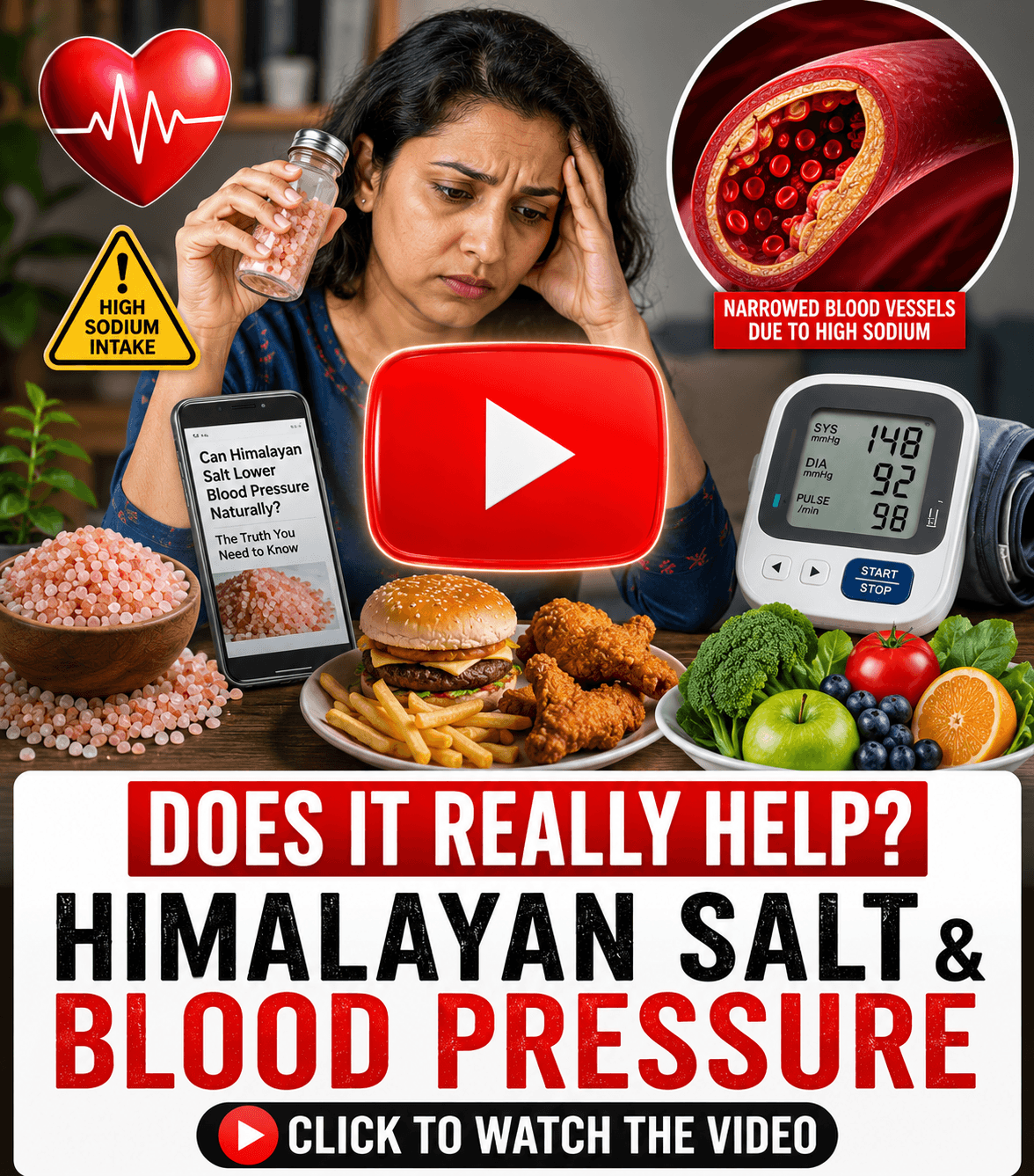
Healthy Lifestyle Approach for Blood Pressure Control
Eat a DASH-Style Diet (Fruits, Vegetables, Whole Grains)
- A DASH-style diet is rich in fruits, vegetables, whole grains, and lean proteins.
- It helps reduce sodium intake naturally while providing potassium, fiber, and nutrients that support healthy blood pressure and overall heart function.
Exercise Regularly
- Regular physical activity like walking, cycling, swimming, or strength training improves heart health.
- Helps maintain healthy blood flow and reduces blood pressure levels over time by strengthening the cardiovascular system and improving circulation.
Maintain a Healthy Weight
- Keeping a healthy body weight reduces strain on the heart and blood vessels.
- Even a small weight loss can significantly improve blood pressure levels and lower the risk of developing hypertension-related complications.
Reduce Stress Through Mindfulness or Yoga
- Chronic stress can raise blood pressure.
- Practices like meditation, deep breathing, and yoga help calm the nervous system, reduce stress hormones, and support overall emotional and cardiovascular balance.
Limit Processed Foods and Sugary Drinks
- Processed foods and sugary beverages often contain high sodium, unhealthy fats, and added sugars.
- Reducing them helps control calorie intake, lowers blood pressure risk, and supports better long-term heart health.
Final Verdict
Himalayan salt is often marketed as a healthier alternative, but it does not lower blood pressure or replace medical treatment.
It can be used in moderation as part of a balanced diet, but the key to managing hypertension is overall sodium control and lifestyle changes.
For people with high blood pressure, the safest approach is to focus on whole foods, reduce processed salt intake, and follow medical guidance rather than relying on salt type alone.
Ultimately, Himalayan salt may be a flavorful seasoning, but it is not a therapeutic solution for hypertension.
.
.
.