How to Get Rid of Severe Toenail Fungus: Fast & Naturally
How to Get Rid of Severe Toenail Fungus (🔥Effective Solutions❗) Restore Nail Health and Comfort with These Powerful Treatments!
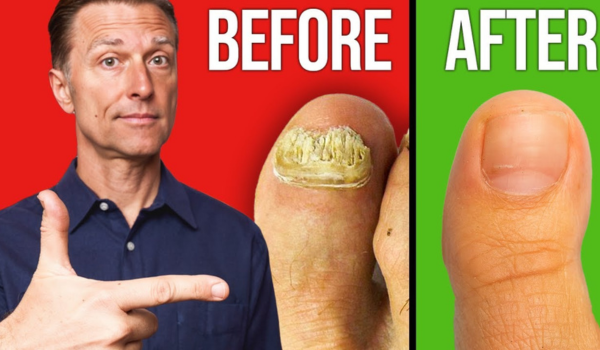

How to Get Rid of Severe Toenail Fungus
Toenail fungus, also known as onychomycosis, is more than just an aesthetic issue — it can be a painful and persistent condition.
While it may begin as a minor irritation, if left untreated, toenail fungus can develop into a severe infection that affects the nail’s appearance, strength, and overall health.
In some cases, the infection can cause permanent damage or even result in the loss of the toenail. If you’re struggling with severe toenail fungus,
you’re not alone. This blog post aims to provide comprehensive information on how to get rid of severe toenail fungus and regain the health of your nails.
What exactly is Toenail Fungus?
Toenail fungus is a fungal infection that affects the toenails and sometimes the surrounding skin. The infection typically starts when fungi, most commonly dermatophytes, invade the nail.
These fungi thrive in warm, moist environments, making your feet especially toenails a prime target for infection.
Toenail fungus can cause a range of symptoms, from mild discoloration to thickened, brittle nails that can be painful and unsightly.
In severe cases, the infection can spread to other toenails and even the surrounding skin, causing significant discomfort and requiring more aggressive treatment.
Toenail fungus is typically a chronic condition that requires ongoing treatment to resolve, and the infection can recur if preventive measures are not taken.
Let’s dive deeper into how you can effectively get rid of severe toenail fungus and the treatments available.
Understanding the Causes of Toenail Fungus
To effectively treat and prevent toenail fungus, it’s essential to understand what causes it. Fungal infections are most commonly caused by dermatophytes, but yeasts and molds can also be responsible.
These fungi thrive in moist environments and can enter through small cracks in the nail or skin.
Here are some key factors that contribute to the development of toenail fungus:
Exposure to Fungal Environments
Fungi thrive in places that are warm, dark, and damp, such as locker rooms, public showers, and swimming pools. If you walk barefoot in these areas, you increase your risk of developing toenail fungus.
Tight Shoes and Socks
Wearing tight shoes or socks that don’t breathe properly can trap moisture against the toenails, providing a perfect breeding ground for fungi. If your shoes don’t allow air circulation, you’re more likely to develop fungal infections.
Weakened Immune System
People with compromised immune systems such as those with diabetes, HIV/AIDS, or cancer — are at a higher risk of developing toenail fungus. When your body’s defense mechanisms are weakened, it’s easier for fungi to take hold and thrive.
Age
Older adults are more likely to develop toenail fungus. As people age, circulation to the extremities decreases, and the immune system becomes less efficient at warding off infections. Additionally, the toenails become more brittle and prone to injury, which makes them more susceptible to fungal invasion.
Poor Foot Hygiene
Not keeping your feet clean and dry is one of the most common causes of toenail fungus. Fungi thrive in warm and moist conditions, so ensuring that your feet are washed, dried thoroughly, and kept clean is essential in preventing infection.
Previous Fungal Infections
Conditions such as athlete’s foot (a fungal infection of the skin) can lead to toenail fungus if left untreated. Fungal infections of the skin can spread to the toenails if not addressed promptly.
Injury to the Toenail
Trauma to the toenail such as dropping something heavy on the toe or wearing shoes that don’t fit properly can create small openings in the nail, making it easier for fungi to infiltrate.
Recognizing Severe Toenail Fungus: Symptoms
In the early stages of toenail fungus, you might notice subtle changes in your toenail’s appearance, such as slight discoloration or a small spot.
However, in severe cases, the infection becomes much more noticeable and can significantly impact your quality of life. Some of the common symptoms of severe toenail fungus include:
- Discoloration of the Toenail: The toenail may turn yellow, brown, or black, with the color change often spreading as the infection worsens. The infection may also cause the toenail to look opaque or cloudy.
- Thickened Nails: One of the telltale signs of severe toenail fungus is thickened nails. The nail becomes difficult to trim and may feel painful when pressure is applied. The thickness of the nail is due to the fungal growth beneath the surface, which disrupts the nail’s normal structure.
- Crumbly and Brittle Nails: As the fungus progresses, the toenail’s edges may become crumbly or brittle, breaking apart in small pieces. This can cause discomfort, especially when wearing shoes.
- Foul Odor: Fungal infections often produce an unpleasant odor, which becomes more pronounced as the infection worsens. The smell is caused by the breakdown of the nail’s structure by the fungi.
- Pain and Sensitivity: Severe toenail fungus can cause pain, especially when the infected nail rubs against shoes or other surfaces. The nail may become swollen and tender, and the skin surrounding the nail may also become irritated.
- Nail Separation: In the most advanced stages of toenail fungus, the infected toenail may start to separate from the nail bed. This can expose the nail bed to further infection and cause significant pain.
How Toenail Fungus Spreads
Toenail fungus can spread quickly, especially in warm and moist environments. Initially, it may start with one infected nail, but if left untreated, the infection can spread to other toenails, making the condition more difficult to treat.
Fungal infections can also spread from person to person. Public places such as gyms, swimming pools, and locker rooms are common hotspots for toenail fungus, as the fungi can survive on wet surfaces and easily infect anyone who comes into contact with them.
Additionally, toenail fungus can spread to other parts of your body. For instance, if you scratch an infected toenail and then touch another area of your body, you could inadvertently spread the fungus.
How to Get Rid of Severe Toenail Fungus: Treatment Options
When it comes to treating severe toenail fungus, there are several approaches available, ranging from prescription medications to natural remedies. Below is a detailed look at the most effective ways to treat severe toenail fungus:
1. Prescription Medications
Oral antifungal medications are one of the most effective treatments for severe toenail fungus.
These medications work from the inside out to kill the fungi that are causing the infection. Common oral antifungal medications include:
- Terbinafine (Lamisil): Terbinafine is a powerful oral antifungal that is commonly prescribed for toenail fungus. It works by preventing the fungus from growing and spreading. Treatment usually lasts 6 to 12 weeks, and it is one of the most effective options for treating severe cases.
- Itraconazole (Sporanox): Itraconazole is another oral medication that treats severe fungal infections. It works by interfering with the cell membranes of the fungi, preventing them from reproducing. It’s commonly used in combination with topical treatments.
- Fluconazole (Diflucan): Fluconazole is effective for treating severe toenail fungus and is often used when other treatments fail. It works by disrupting the fungal cells, making it harder for the infection to spread.
While these medications are effective, they come with side effects. Common side effects include liver issues, nausea, and drug interactions.
It’s crucial to discuss your medical history with your healthcare provider before starting any of these treatments.
2. Topical Antifungal Treatments
Topical antifungal treatments are applied directly to the affected nail and surrounding skin.
These treatments can be effective in the early stages of toenail fungus, but for severe cases, they are often combined with oral antifungals for optimal results. Some commonly prescribed topical antifungals include:
- Ciclopirox (Penlac): Ciclopirox is a topical antifungal lacquer that is applied directly to the infected toenail. It is typically applied once a day, and after one week, it is wiped off and reapplied. Ciclopirox is effective, but it may take months to show results in severe cases.
- Efinaconazole (Jublia): Efinaconazole is a newer topical antifungal treatment that has shown promise in treating toenail fungus. It is applied daily to the affected toenail and works by disrupting the fungal cell membrane.
Topical treatments are often less effective for severe toenail fungus, as they only address the surface of the infection. However, they can still play a role in a comprehensive treatment plan.
3. Laser Therapy
- Laser therapy is a non-invasive treatment that uses light to target and kill the fungi in the toenail. The laser penetrates the nail, destroying the fungal cells without damaging surrounding tissue.
- Laser therapy has gained popularity due to its relatively quick results and minimal side effects.
- Laser treatment is typically administered in a healthcare provider’s office. One or more sessions may be needed to fully eliminate the infection.
- While laser therapy is effective for many people, it is expensive and may not be covered by insurance.
4. Surgical Removal
- In cases of severe, persistent toenail fungus, surgery may be necessary to remove the infected nail.
- The procedure is typically performed under local anesthesia and involves either partial or complete removal of the toenail. This allows the underlying nail bed to heal and prevents the fungus from spreading further.
- Surgical removal of the nail may be necessary when the infection is extensive, causing pain, inflammation, or permanent nail damage.
- While this method is highly effective in eliminating the infection, it comes with the risks of infection, scarring, and nail deformity.
5. Home Remedies and Natural Treatments
While professional treatments are often required for severe toenail fungus, some home remedies and natural treatments may help reduce symptoms and support healing.
However, they should not be considered as stand-alone treatments for severe cases.
- Tea Tree Oil: Tea tree oil is a well-known antifungal and antibacterial oil. It can be applied directly to the affected toenail to help combat the infection.
- Apple Cider Vinegar: Apple cider vinegar has antifungal properties that may help kill the fungi causing the infection. Soak your feet in a mixture of apple cider vinegar and water for 15 to 20 minutes daily.
- Garlic: Garlic contains allicin, a natural antifungal compound. Apply crushed garlic to the infected toenail and leave it on for 30 minutes before rinsing it off.
- Oregano Oil: Oregano oil has antifungal properties and may help treat toenail fungus. Mix it with a carrier oil and apply it to the affected toenail.
While these natural remedies can provide support, they should not be relied upon as a sole treatment for severe toenail fungus.
Preventing Toenail Fungus Recurrence
Even after successfully treating toenail fungus, it’s important to take steps to prevent it from coming back. Some strategies for preventing recurrence include:
- Maintain good foot hygiene: Wash and dry your feet thoroughly each day to reduce the risk of fungal growth.
- Wear breathable shoes: Choose shoes made from breathable materials like leather or canvas to help keep your feet dry.
- Avoid going barefoot in public places: Wear flip-flops or water shoes in public showers, locker rooms, and swimming pools.
- Disinfect shoes and nail clippers: If you’ve had toenail fungus, disinfect your shoes, socks, and nail clippers to prevent reinfection.
- Keep your nails trimmed: Keeping your toenails trimmed can help prevent injury and provide a cleaner surface for antifungal treatments to work effectively.
Conclusion
Treating severe toenail fungus requires persistence, the right approach, and proper care. Whether you choose medical treatments such as oral antifungals, topical applications, or more advanced options like laser therapy, consistency is key to seeing results.
Early intervention is important, but even in severe cases, it is possible to manage the infection and restore your nails to health with the right treatment plan.
Additionally, integrating home remedies such as tea tree oil, apple cider vinegar soaks, or garlic can provide added support during your recovery process.
However, these should not replace professional medical treatments, especially when dealing with severe fungal infections.
Preventing recurrence is just as crucial as treatment. Keeping your feet clean and dry, wearing breathable footwear, and practicing proper foot hygiene can significantly reduce the chances of reinfection.
By following these guidelines, you can effectively eliminate toenail fungus and keep your nails healthy and fungus-free in the future.
.