60 Second Trick to Lower Blood Pressure: Quick & Easy
“60 Second Trick to Lower Blood Pressure (🔥SECRET TRICK❗) Improve Heart Health Fast with This Simple and Effective Method!”
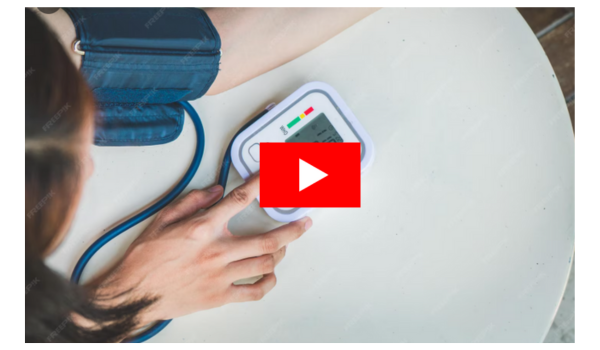

High blood pressure, also known as hypertension, is a major health concern that affects millions of people worldwide.
It is a condition that can develop silently over time, often without noticeable symptoms, but can lead to serious health complications such as heart disease, stroke, and kidney damage. Managing high blood pressure is essential to living a long and healthy life.
While medications prescribed by healthcare professionals are often used to control blood pressure, there are natural methods that can help reduce hypertension effectively.
One of the simplest and most effective ways is through a “60-second trick to lower blood pressure.” This quick, easy-to-perform technique can be incorporated into your daily routine to help you maintain healthy blood pressure levels and improve your overall well-being.
In this article, we will explore the science behind this 60-second trick, how to do it, and other lifestyle changes you can make to further reduce blood pressure. Whether you have high blood pressure or want to prevent it, this technique is a game-changer!
Understanding High Blood Pressure
Before diving into the details of the 60-second trick, it’s important to understand what high blood pressure is and why it matters.
Blood pressure is the force of blood pushing against the walls of your arteries as your heart pumps it around your body.
When this pressure is consistently too high, it can damage your blood vessels and organs, leading to severe health issues.
There are two numbers in a blood pressure reading:
- Systolic Pressure: The top number, which measures the pressure in your arteries when your heart beats.
- Diastolic Pressure: The bottom number, which measures the pressure in your arteries when your heart is at rest between beats.
Normal blood pressure is considered to be around 120/80 mmHg. When blood pressure readings consistently exceed 130/80 mmHg, it is classified as high blood pressure (hypertension).
High blood pressure often has no obvious symptoms, which is why it is important to monitor it regularly. If left untreated, hypertension can lead to complications such as heart attacks, strokes, and kidney failure.
The 60-Second Trick to Lower Blood Pressure: Deep Breathing
The 60-second trick that we’re referring to involves a simple and natural method: deep breathing exercises. This technique has been scientifically proven to reduce blood pressure and promote relaxation.
How Does Deep Breathing Help Lower Blood Pressure?
Deep breathing works by activating the parasympathetic nervous system, which is responsible for calming the body and reducing stress.
When we experience stress or anxiety, our sympathetic nervous system (also known as the “fight-or-flight” system) is activated.
This leads to the release of stress hormones like adrenaline and cortisol, which increase heart rate and constrict blood vessels, raising blood pressure.
On the other hand, deep breathing helps activate the parasympathetic nervous system, which relaxes the heart, dilates the blood vessels, and lowers blood pressure.
When done correctly, deep breathing can help reverse the effects of stress and promote relaxation, reducing blood pressure naturally.
Research has shown that deep breathing exercises can lower both systolic and diastolic blood pressure, making it a highly effective technique for those looking to manage hypertension.
In fact, a study published in the American Journal of Hypertension found that slow breathing exercises could significantly reduce blood pressure within just a few minutes.
The 60-Second Deep Breathing Trick
Here’s how you can perform the 60-second trick to lower blood pressure with deep breathing:
- Find a quiet, comfortable space: Sit in a chair or lie down in a comfortable position. Make sure you are in a calm and quiet environment where you can focus on your breathing without distractions.
- Relax your body: Close your eyes, relax your shoulders, and release any tension in your body. Ensure that you are sitting or lying with your spine aligned to allow for the most effective breathing.
- Inhale slowly through your nose: Breathe in deeply and slowly through your nose for a count of four. Try to fill your lungs completely and allow your abdomen to expand as you breathe in.
- Hold your breath: Once you have inhaled deeply, hold your breath for a count of four. This will help increase the amount of oxygen in your system.
- Exhale slowly through your mouth: Slowly exhale through your mouth for a count of four, letting go of any tension or stress as you breathe out. Make sure to exhale completely to release all the air from your lungs.
- Repeat: Continue this breathing pattern for 60 seconds. You can repeat this exercise as often as you like throughout the day.
Why This 60-Second Trick Works
The reason the 60-second deep breathing technique works so well is that it helps shift your body from a state of stress to one of relaxation.
By focusing on your breath and slowing down the rhythm, your body activates the vagus nerve, which plays a key role in regulating your heart rate and blood pressure.
The vagus nerve helps to lower blood pressure by promoting the relaxation of blood vessels and slowing down the heart rate.
Deep breathing has an immediate calming effect on the body, which can be especially helpful during moments of stress or anxiety.
Additionally, the more you practice deep breathing, the more effective it becomes at helping to manage blood pressure over time.
Benefits of Deep Breathing for Blood Pressure
Aside from lowering blood pressure, deep breathing offers several other health benefits that contribute to overall wellness. These benefits include:
- Stress Reduction: Deep breathing activates the parasympathetic nervous system, which helps reduce stress hormones like cortisol and adrenaline. This leads to a greater sense of calm and relaxation.
- Improved Oxygenation: By focusing on slow, deep breaths, you are able to take in more oxygen, which can improve circulation and enhance cellular function.
- Enhanced Mental Clarity: Deep breathing increases blood flow to the brain, which can improve focus, mental clarity, and cognitive function.
- Lowered Heart Rate: Deep breathing helps lower heart rate, which can reduce the strain on your heart and improve cardiovascular health.
- Improved Sleep: Deep breathing promotes relaxation, making it easier to fall asleep and stay asleep. This can be especially helpful for those with hypertension who may experience sleep disturbances due to stress.
How to Incorporate the 60-Second Trick into Your Daily Routine
To get the most benefit from this 60-second breathing trick, it’s important to make it a regular part of your routine. Here are some tips on how to incorporate deep breathing into your day:
- Start Your Day with Deep Breathing: Take a few minutes each morning to practice deep breathing before you begin your day. This can set a positive, calm tone for the rest of your activities.
- Take Breaks During the Day: Whenever you feel stressed or overwhelmed, take a short break to practice the 60-second deep breathing technique. This can help lower your blood pressure and improve your focus.
- Before Bed: Practice deep breathing before bed to relax your body and mind, making it easier to fall asleep and improving the quality of your sleep.
- Use Breathing as a Stress-Relief Tool: Whenever you encounter stressful situations (e.g., work pressure, traffic, arguments), take a moment to do the 60-second trick. It can help calm your nerves and prevent your blood pressure from spiking.
- Consistency is Key: Like any exercise, the more you practice deep breathing, the more benefits you will experience. Aim to incorporate this technique into your daily routine for the best results.
Other Natural Methods to Lower Blood Pressure
While the 60-second deep breathing trick is effective, there are several other lifestyle changes you can make to further reduce your blood pressure:
- Maintain a Healthy Diet: Eating a balanced diet rich in fruits, vegetables, whole grains, lean proteins, and healthy fats can help lower blood pressure. Avoid foods high in sodium, saturated fats, and processed sugars.
- Exercise Regularly: Engaging in regular physical activity, such as walking, jogging, cycling, or swimming, can help lower blood pressure by improving heart health and circulation.
- Limit Alcohol and Caffeine: Excessive alcohol and caffeine consumption can increase blood pressure. Aim to limit your intake of both to keep your blood pressure in check.
- Get Enough Sleep: Poor sleep quality and insufficient sleep are linked to high blood pressure. Aim for 7-9 hours of quality sleep each night to support heart health and overall well-being.
- Reduce Stress: Chronic stress is a major contributor to high blood pressure. Practice relaxation techniques such as meditation, yoga, or mindfulness to manage stress and lower your blood pressure naturally.
- Maintain a Healthy Weight: Being overweight or obese can increase the risk of developing high blood pressure. Losing weight through a combination of healthy eating and exercise can help lower your blood pressure.
Conclusion
The 60-second trick to lower blood pressure is a simple and effective technique that can help reduce hypertension naturally.
By incorporating deep breathing exercises into your daily routine, you can activate your parasympathetic nervous system, reduce stress, and lower your blood pressure.
In addition to this quick trick, it’s important to make other lifestyle changes such as maintaining a healthy diet, exercising regularly, reducing stress, and getting enough sleep.
These combined efforts can help you manage your blood pressure and improve your overall health.
Start practicing the 60-second trick today and take control of your blood pressure for a healthier, happier life!
.