Sciatica Stretching Exercises At Home!
“Sciatica Stretching Exercises at Home (🔥SECRET EXPOSED❗) Relieve Pain FAST with These Simple Stretches!”
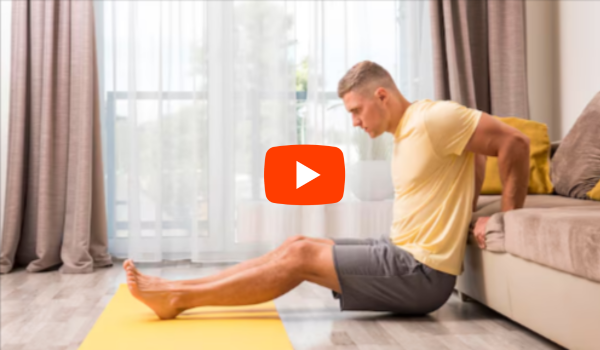

What Is It and What Causes It?
Before diving into specific exercises, it’s essential to understand what sciatica is and why it occurs.
Sciatica is not a condition itself but a symptom of an underlying problem, usually involving the compression or irritation of the sciatic nerve.
This nerve is the longest in the body, extending from the lower back, through the hips, and down each leg.
Common Causes of Sciatica Include:
-
Herniated or Bulging Discs: When a disc in the spine slips out of place, it can press on the sciatic nerve, leading to pain.
-
Spinal Stenosis: This condition involves narrowing of the spinal canal, which can compress the nerve roots.
-
Piriformis Syndrome: The piriformis muscle in the buttocks spasms and irritates the sciatic nerve.
-
Spondylolisthesis: One vertebra slips over another, placing pressure on the nerve.
-
Degenerative Disc Disease: Wear and tear on spinal discs can lead to nerve compression.
Symptoms of Sciatica:
-
Pain: Sharp or burning pain that radiates down the leg, often worse when sitting or standing for long periods.
-
Numbness or Tingling: A sensation of “pins and needles” in the affected leg or foot.
-
Weakness: Difficulty moving the leg or foot, often causing imbalance.
-
Limited Mobility: Difficulty bending, twisting, or walking without pain.
Understanding these causes and symptoms is crucial for managing sciatica. Stretching exercises can provide relief by addressing tight muscles, improving flexibility, and reducing nerve compression.
The Role of Stretching in Sciatica Recovery
Stretching plays a significant role in sciatica recovery. When muscles surrounding the sciatic nerve become tight, they can exacerbate pain and discomfort. Stretching helps by:
-
Relieving Muscle Tension: Stretching loosens up tight muscles, particularly in the lower back, hips, and legs, reducing the pressure on the sciatic nerve.
-
Improving Flexibility: Sciatica often restricts movement, making it difficult to perform everyday tasks. Stretching improves flexibility and range of motion, making it easier to move without pain.
-
Promoting Circulation: Stretching increases blood flow to the affected areas, which aids in healing and reduces inflammation.
-
Strengthening Supporting Muscles: Stretching also helps strengthen muscles that support the spine and pelvis, contributing to better posture and less strain on the lower back.
Key Areas to Focus on When Stretching for Sciatica Relief
To effectively relieve sciatica pain, it is important to focus on the areas that are most likely contributing to the issue. These include:
-
Lower Back: Tight muscles in the lower back can compress the sciatic nerve.
-
Glutes: The gluteal muscles can irritate the sciatic nerve, especially when they become tight or inflamed.
-
Hip Flexors: The muscles in the front of the hips can become shortened and tight, causing misalignment in the pelvis and increasing sciatic nerve pressure.
-
Hamstrings: Tight hamstrings can exacerbate lower back pain and increase strain on the sciatic nerve.
-
Calves: Tight calf muscles can affect posture and gait, which may worsen sciatica symptoms.
Focusing on these areas during your stretching routine can provide significant relief.
Top 12 Sciatica Stretches to Try at Home
✔️ Knee-to-Chest Stretch
This stretch targets the lower back and glutes, helping to release tension and improve flexibility in the spine.
-
How to Perform:
-
Lie on your back with both knees bent and feet flat on the floor.
-
Bring one knee toward your chest, keeping the other leg bent.
-
Hold your knee with both hands and gently pull it closer to your chest.
-
Hold the stretch for 20-30 seconds, then switch legs.
-
✔️ Piriformis Stretch
The piriformis muscle, located in the buttocks, can irritate the sciatic nerve. This stretch targets that muscle to reduce pressure on the nerve.
-
How to Perform:
-
Lie on your back with both knees bent.
-
Cross one leg over the other, placing the ankle of one leg on the opposite knee.
-
Gently pull the bottom knee toward your chest.
-
Hold for 20-30 seconds and switch legs.
-
✔️ Seated Hamstring Stretch
Tight hamstrings are a common contributor to lower back pain and sciatica.
-
How to Perform:
-
Sit on the floor with one leg extended straight and the other leg bent so that the sole of your foot touches the inner thigh of your extended leg.
-
Hinge forward at your hips, reaching for your toes on the extended leg.
-
Hold for 20-30 seconds, then switch sides.
-
✔️ Child’s Pose
This yoga pose stretches the back, hips, and thighs, helping to relieve tension in the lower back.
-
How to Perform:
-
Start on all fours, with your hands directly beneath your shoulders and knees beneath your hips.
-
Sit back onto your heels, reaching your arms forward on the floor.
-
Hold for 30 seconds to one minute.
-
✔️ Cat-Cow Stretch
This dynamic stretch increases spinal mobility and helps alleviate tension in the lower back.
-
How to Perform:
-
Begin in a tabletop position on your hands and knees.
-
Inhale as you arch your back (cow), lifting your head and tailbone.
-
Exhale as you round your back (cat), tucking your chin and tailbone.
-
Repeat for 10-15 cycles.
-
✔️ Hip Flexor Stretch
Tight hip flexors can cause misalignment in the pelvis, which contributes to sciatica pain.
-
How to Perform:
-
Start in a lunge position with one foot forward and the other knee on the ground.
-
Push your hips forward to feel a stretch in the hip flexors of the back leg.
-
Hold for 20-30 seconds, then switch sides.
-
✔️ Sciatic Nerve Flossing
This exercise targets the sciatic nerve itself, helping to reduce irritation and improve mobility.
-
How to Perform:
-
Sit on a chair with one leg extended in front of you.
-
Flex and extend the ankle while tilting your head back and forth.
-
Repeat 10-15 times, then switch legs.
-
✔️ Standing Hamstring Stretch
This variation of the hamstring stretch can be performed standing and targets the lower back and legs.
-
How to Perform:
-
Stand with your feet hip-width apart.
-
Extend one leg forward, keeping it straight.
-
Reach toward your toes, hinging at your hips.
-
Hold for 20-30 seconds, then switch legs.
-
✔️ Figure Four Stretch
This stretch targets the glutes and hip flexors, providing relief from tightness in the lower back.
-
How to Perform:
-
Lie on your back with both knees bent.
-
Cross one ankle over the opposite knee to form a figure four shape.
-
Reach through the gap and pull the bottom leg toward your chest.
-
Hold for 20-30 seconds, then switch sides.
-
✔️ Bridge Pose
This exercise strengthens the glutes and lower back while stretching the hip flexors.
-
How to Perform:
-
Lie on your back with your knees bent and feet flat on the floor.
-
Press your feet into the floor and lift your hips toward the ceiling.
-
Squeeze your glutes at the top and hold for 5-10 seconds, then lower back down.
-
✔️ Knee Rolls
This stretch targets the lower back and hips, helping to relieve tension.
-
How to Perform:
-
Lie on your back with your knees bent and feet flat on the floor.
-
Slowly lower both knees to one side, keeping your shoulders flat on the floor.
-
Hold for 20-30 seconds, then return to the starting position and switch sides.
-
✔️ Wall Sits
This exercise helps strengthen the legs and lower back while engaging the core.
-
How to Perform:
-
Stand with your back against a wall and feet shoulder-width apart.
-
Slide down the wall until your knees are at a 90-degree angle.
-
Hold for 30 seconds to one minute, then return to the standing position.
-
Creating a Routine: How Often Should You Stretch?
Consistency is key when it comes to sciatica relief. To maximize the benefits of stretching, it’s important to perform these exercises regularly.
Aim for at least 10-15 minutes of stretching each day, with a focus on the key areas mentioned earlier.
It’s also helpful to incorporate a combination of static stretches (holding the position) and dynamic stretches (moving through the position).
Additional Tips for Managing Sciatica Pain
While stretching exercises are a powerful tool for managing sciatica, there are other lifestyle modifications you can make to support recovery:
-
Posture: Maintaining good posture, especially when sitting, can prevent added pressure on the sciatic nerve.
-
Exercise: Low-impact activities like walking, swimming, and cycling can improve circulation and strengthen supporting muscles.
-
Heat and Cold Therapy: Apply heat or cold packs to the affected area to reduce inflammation and relieve pain.
-
Ergonomic Adjustments: Make changes to your workspace to encourage proper posture and minimize strain on the lower back.
When to Seek Medical Attention?
While at-home stretches can be very effective, it’s important to know when to consult a healthcare professional. Seek medical advice if:
-
The pain persists or worsens despite your efforts.
-
You experience numbness or weakness in the leg or foot.
-
You lose control of your bladder or bowels.
Combining Stretching with Other Treatments
To get the most out of your sciatica recovery, consider combining stretching with other treatments like physical therapy, chiropractic care, or massage therapy.
These treatments can provide additional benefits and speed up the healing process.
The Benefits of Yoga for Sciatica Relief
Yoga is an excellent addition to a stretching routine for sciatica.
Many yoga poses focus on spinal flexibility, core strength, and muscle relaxation, all of which are crucial for managing sciatica pain.
Some popular yoga poses for sciatica include Child’s Pose, Downward Dog, and Cobra Pose.
Conclusion: A Holistic Approach to Sciatica Management
Incorporating sciatica stretching exercises into your daily routine can provide significant relief from pain and discomfort.
By targeting the key areas that contribute to sciatica, improving flexibility, and strengthening supportive muscles, you can reduce the pressure on your sciatic nerve and improve mobility.
Pair these exercises with lifestyle modifications, proper posture, and other treatments for the best results.
Remember that sciatica recovery is a journey, and consistency is key. With patience, perseverance, and the right approach, you can manage your sciatica symptoms and lead a more active, pain-free life.
.
.
.
.
.