Are Potatoes Healthy for Weight Loss?
Potatoes can be healthy for weight loss if boiled or baked, not fried, and eaten in moderation as part of a balanced diet.
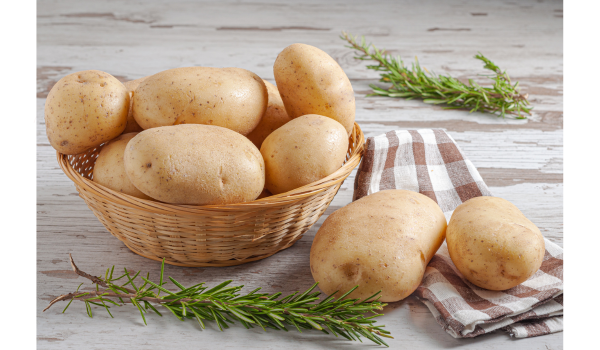
When it comes to weight loss, potatoes often get a bad reputation. Many people trying to shed extra kilos immediately cut out all types of potatoes from their diet, fearing their carb content. But is this fear justified? Or are potatoes being unfairly blamed?
In this detailed blog, we’ll explore the truth behind potatoes and weight loss, especially in the context of Indian diets. We’ll cover the nutritional benefits, myths, cooking methods, and how to include them healthily for weight management.
Understanding the Nutritional Profile of Potatoes
Potatoes are one of the most commonly consumed vegetables in India. From aloo paratha to masala dosa fillings, they are deeply woven into our culinary culture.
Here’s a breakdown of what 100 grams of boiled potato contains:
-
Calories: ~87 kcal
-
Carbohydrates: ~20 grams
-
Protein: ~2 grams
-
Fiber: ~2.2 grams
-
Fat: 0.1 grams
-
Vitamins: Rich in vitamin C, B6, potassium, and magnesium
Potatoes are primarily a source of carbohydrates, but they are also packed with essential nutrients. The presence of fiber, particularly in the skin, can aid digestion and support fullness, reducing overall calorie intake when eaten wisely.
Key Insight: Potatoes themselves are not inherently fattening. It’s how they are cooked and consumed that makes the difference.
Potatoes and Weight Loss: What Does Science Say?
Scientific studies show that high-fiber, nutrient-dense foods that are low in fat and added sugar can help with weight management. Surprisingly, boiled or steamed potatoes can be part of that list.
The Satiety Index, developed by researchers, ranks foods based on how full they make you feel. Boiled potatoes ranked number one, higher than brown rice, oats, or even lentils. This means they can help you feel satisfied for longer, which may prevent overeating.
What does this mean for weight loss
Eating boiled or baked potatoes (without butter, cream, or oil) can reduce overall calorie intake by keeping you full for longer.
Common Myths About Potatoes and Weight Gain in India
Myth 1: Potatoes are full of fat.
Truth: Potatoes have almost no fat unless they’re deep-fried or cooked in ghee/oil.
Myth 2: Diabetics and weight watchers should avoid potatoes completely.
Truth: Boiled potatoes in moderation, especially with the skin, have a moderate glycemic index and can be included in a balanced diet when combined with fiber and protein.
Myth 3: All carbs are bad.
Truth: Carbohydrates are essential for energy. It’s the type and amount that matter. Potatoes are complex carbs, which digest more slowly than refined carbs like maida.
Myth 4: Sweet potatoes are better than regular potatoes.
Truth: Both have their pros and cons. Sweet potatoes are richer in antioxidants and fiber, while white potatoes have more potassium. Both can be included for variety.
Healthy Indian Ways to Eat Potatoes for Weight Loss
In Indian kitchens, potatoes are often fried, mashed with butter, or sautéed in oil-heavy gravies. These versions are not weight-loss friendly. However, with simple tweaks, potatoes can become part of a healthy meal.
Smart Potato Cooking Methods:
-
Boiled or Steamed: Best for weight loss. Add to salads, poha, or tikkis without frying.
-
Baked or Roasted (with minimal oil): Retains nutrients and tastes great. Try aloo tikki in an air fryer.
-
Stuffed in Whole Wheat Rotis: Try aloo paratha made with boiled potato, minimal oil, and yogurt instead of butter.
Healthy Combinations:
-
Potato + Moong Sprouts Salad: Fiber + protein for better satiety.
-
Potato + Chickpeas Chaat: With lemon, cucumber, and spices – great for digestion and fat metabolism.
-
Aloo with Sabzi and Dal: When eaten with protein and fiber (dal and vegetables), the GI is lowered, making it ideal for weight loss.
Avoid:
-
Deep-fried aloo bhujia, samosas, French fries
-
Potato chips or crisps
-
High-fat gravies like aloo makhani or butter aloo
How Much Potato Is Okay During Weight Loss in India?
Portion control is crucial. You don’t need to eliminate potatoes; you just need to eat the right amount.
Recommended serving:
-
100 to 150 grams of boiled potato per day (roughly the size of one medium potato)
-
Pair with a source of protein (like dal, paneer, curd, or egg) and fiber (like salad, sabzi, or whole grains)
When to eat potatoes
-
Lunch or dinner: Best time to have them as part of your main meal.
-
Pre-workout snack: A boiled potato sprinkled with lemon and black salt gives instant energy without heaviness.
-
Avoid at night: If you’re inactive, large portions late in the evening may contribute to sluggish digestion.
Conclusion: So, Are Potatoes Healthy for Weight Loss?
Yes, potatoes can be healthy for weight loss if consumed the right way.
They are low in fat, rich in fiber, and very filling. When boiled, steamed, or baked and eaten in moderate quantities with protein and fiber, they can support weight management effectively.
However, the key is to avoid deep frying, butter-laden recipes, or oversized portions. In an Indian diet, where rotis, rice, dals, and sabzis form the staple, adding a small portion of boiled potato now and then is completely fine and even beneficial.
Takeaway Tips
-
Choose boiled or roasted potatoes over fried.
-
Keep the skin on for extra fiber.
-
Combine with protein and vegetables for balanced meals.
-
Watch the portion size – moderation is key.
-
Use minimal oil and spices to avoid excess calories.
Potatoes are not the villain; poor preparation methods are. So next time you enjoy a simple aloo dish, remember it’s not about cutting out potatoes but about making smarter choices. A healthy weight-loss journey doesn’t require sacrificing your favorite ingredients, only understanding them better.
.