Is Oat Milk Good for Weight Loss?
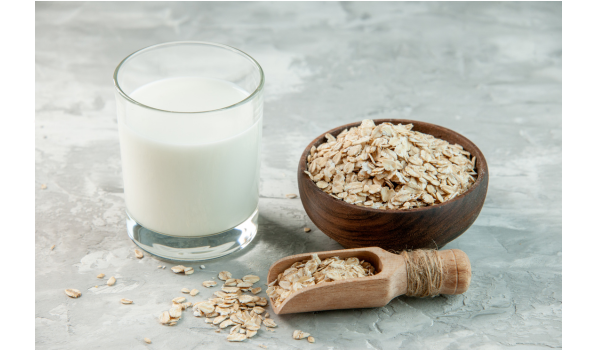
Oat milk can support weight loss if unsweetened. It’s low in fat, dairy-free, and provides fiber to keep you full longer.
When summer arrives in India, mangoes become the star of the season. Known as the “King of Fruits”, mango is loved across the country in all its forms, raw, ripe, sliced, juiced, pickled, or added to desserts.
But while its taste is irresistible, one common question continues to pop up, especially among fitness-conscious individuals: Is mango good for weight loss?
The answer isn’t a simple yes or no. Mangoes are rich in nutrients, but they also contain natural sugars. In the world of health and nutrition, it’s important to balance enjoyment with awareness.
If you’re trying to lose weight and wondering whether mangoes should be on your plate or off your list, this blog is for you. Let’s explore the science, benefits, myths, and smart ways to include mangoes in your diet without sabotaging your weight loss goals, all from an Indian lifestyle perspective.
Nutritional Profile of Mango: What’s Inside the King of Fruits?
Before judging whether mango is good or bad for weight loss, let’s understand what it contains.
Nutritional breakdown (per 100 grams of ripe mango):
-
Calories: 60-65 kcal
-
Carbohydrates: 15 grams
-
Sugar: 13-14 grams (natural fructose and glucose)
-
Fiber: 1.6 grams
-
Vitamin C: 36 mg (60% of daily requirement)
-
Vitamin A, E, and K – Present in good amounts
-
Antioxidants: Polyphenols, beta-carotene, mangiferin
-
No fat, cholesterol, or sodium
As you can see, mangoes are nutrient-rich and naturally sweet, offering a variety of antioxidants, vitamins, and enzymes that promote digestion and immunity.
But what concerns most people is the sugar content. Yes, mangoes contain sugar, but it is naturally occurring and packed in fiber, unlike refined sugar in desserts or sweets.
So, while mangoes are not sugar-free, their nutritional value makes them far better than processed snacks or sugar-loaded juices.
Can Mango Help in Weight Loss? Understanding the Link
Let’s get to the heart of the matter. Can eating mango help you lose weight?
The short answer: Yes, mango can support weight loss when eaten mindfully as part of a balanced Indian diet. Here’s how:
✔ High Fiber Content
Fiber is crucial for weight loss. It slows down digestion, keeps you full for longer, and reduces hunger pangs. Mango’s soluble fiber (pectin) promotes satiety, which means you’re less likely to overeat later in the day.
✔ Natural Sweetness
If you have a sweet tooth, mango is a much healthier alternative to sweets, pastries, or soft drinks. Choosing mango as a dessert can satisfy cravings without processed sugar or trans fats.
✔ Low in Calories Compared to Junk Food
100 grams of mango contains around 60–65 calories. Compare that to a packet of chips or a chocolate bar that can easily go beyond 200 calories. So, mango can be a smart swap when you’re in the mood for a snack.
✔ Boosts Digestion
Mango contains enzymes like amylases that help break down carbs, improve gut health, and enhance digestion, all of which indirectly support fat metabolism.
So, mango doesn’t burn fat on its own, but it can support a healthy, sustainable weight loss routine when consumed the right way.
How Much Mango Is Safe to Eat for Weight Loss?
This is where most people go wrong. Mango isn’t the enemy, but overconsumption is.
Here’s how much mango is safe to eat if you’re trying to lose weight:
🌟 Ideal Serving Size
-
1 medium-sized mango per day (150–200g pulp)
-
This gives about 120–140 calories, 30g carbs, and 3g fiber
🌟 Frequency
-
3 to 4 times per week during mango season is perfectly fine
-
Choose whole mangoes over mango juice or shakes, which spike blood sugar quickly
🌟 Best Time to Eat Mango
-
Morning or as a mid-day snack is ideal
-
Avoid late-night consumption as sugar and calorie utilization slow down at night
🌟 Pairing Tip
-
Combine mango with protein or healthy fat (e.g., nuts, curd, seeds) to reduce sugar spikes and enhance satiety.y
Mango is not fattening when eaten in moderationPeoplele gain weight not because of mango, but because of overeating, poor diet patterns, and lack of activity.
Mango in Indian Diets: Traditional vs Modern Usage
India has a long history of including mangoes in traditional diets. From raw mango chutneys to aam panna and pickles, the fruit has been loved across generations.
Let’s compare traditional vs modern uses from a weight-loss point of view:
Traditional Uses (Weight-Friendly)
-
Raw mango (kaccha aam) used in salads or chutneys is tangy and low in sugar.
-
Aam panna made with mint, jeera, and minimal sugar helps cool the body and aids digestion.n
-
Mango with curd (aam-dahi) is a common combination that balances sweetness with probiotics.cs
Modern Uses (Weight-Unfriendly)
-
Mango milkshakes with sugar: High in calories and sugar
-
Mango ice creams and desserts: Often made with cream and added sugars
-
Packaged mango juices: Contain added sugars, preservatives, and lack fiber
Traditional mango recipes are more gut-friendly and lower in calories, while modern processed versions are loaded with sugar and unhealthy fats. So, choose whole fruit or traditional recipes over packaged or restaurant-style mango dishes.
Myths About Mango and Weight Gain: Busting the Misconceptions
There are many myths floating around that paint mango in a negative light. Let’s bust some of them:
Myth 1: Mango is too sweet to be healthy
Truth: While mango has natural sugar, it also has fiber, vitamins, and antioxidants that balance its effect on blood sugar. It’s healthier than biscuits, chocolates, or sugary drinks.
Myth 2: Mango increases belly fat
Truth: Mango won’t directly cause belly fat unless you overeat it or combine it with high-calorie items like cream, sugar, or condensed milk.
Myth 3: Diabetics should never eat mango
Truth: Diabetics can enjoy mango in small quantities, especially when paired with high-protein or high-fiber foods. The key is portion control and avoiding juices.
Myth 4: You should avoid mango completely during weight loss
Truth: Completely avoiding mango can lead to cravings and binge eating later. Instead, enjoy it in moderation as part of a calorie-conscious diet.
The problem isn’t mango, it’s how and how much you eat it.
How to Include Mango in a Weight Loss Diet: Practical Tips for Indians
Mango can be a part of your weight-loss plan if used smartly. Here are some practical and desi-friendly ways to enjoy it:
✔️ Mango + Curd (Mango Dahi Bowl)
-
Dice the mango and mix with plain dahi
-
Add flax seeds or chia seeds for extra fiber
-
Great as a mid-morning snack or breakfast
✔️ Mango Salad
-
Combine raw or ripe mango with cucumbers, onions, mint, and lemon
-
Sprinkle with chaat masala for a tangy flavor
-
Add boiled chana or moong for pra protein boost
✔️ Aam Panna with Stevia
-
Use raw mango, mint, roasted jeera, and stevia
-
A refreshing, low-calorie drink that aids digestion
✔️ Mango Smoothie (No Sugar)
-
Blend ½ mango with Greek yogurt, spinach, and a few almonds
-
No added sugar needed
-
High protein and fiber content make it filling
✔️ As a Pre-Workout Snack
-
One small man, go 30 minutes before your work, out provides natural energy
-
Better than commercial energy bars or sugary pre-workout drinks
✔️ Mango with Sprouts
-
Mix diced mango with moong sprouts, chopped onions, and lemon juice
-
A perfect evening snack that is both tasty and healthy
These combinations help slow down the sugar absorption from mango and make it more weight-loss friendly.
Final Thoughts: Is Mango Good for Weight Loss?
Yes, mango can be part of a healthy weight loss diet, provided you eat it in moderation and pair it wisely with other foods.
It offers fiber, antioxidants, vitamins, and a natural way to satisfy sweet cravings without processed sugar. The key is to control the portion size, avoid sugary mango recipes, and combine it with a balanced lifestyle.
So, if you’re following a weight-loss journey in India, there’s no need to give up mangoes. Just eat smart, not less.
.