Are Protein Bars Good for Weight Loss? – Benefits & Risks
Strategic Use of Protein Bars for Effective Weight Loss
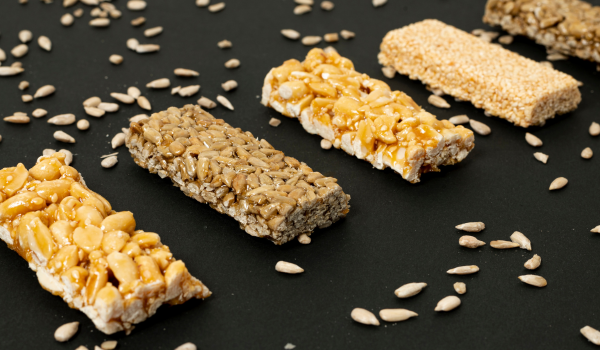
Protein bars have quickly become a convenient option for individuals seeking healthier snacks, post-workout fuel, or meal replacements.
They are especially popular among individuals seeking to manage or lose weight due to their high protein content and ease of use. But the question remains: are protein bars good for weight loss?
What Are Protein Bars?
Before diving into the weight loss aspect, it’s essential to understand what protein bars are and what they contain. A typical protein bar is a pre-packaged snack that includes:
-
Protein (usually from whey, soy, collagen, or plant-based sources)
-
Carbohydrates (including sugars and fibers)
-
Fats (sourced from nuts, oils, or seeds)
-
Additional nutrients like vitamins, minerals, and sometimes artificial sweeteners or preservatives
Protein bars were originally designed for athletes and bodybuilders to support muscle repair and provide energy. However, they have evolved to cater to broader audiences, including those aiming for weight loss.
Today, protein bars fall into various categories such as:
-
Meal replacement bars
-
Snack bars
-
Low-carb or keto bars
-
High-fiber bars
-
Energy or endurance bars
Each type serves a specific purpose, so knowing your goal helps in choosing the right one.
The Science Behind Protein and Weight Loss
Protein is a key nutrient when it comes to weight loss. Unlike carbohydrates and fats, protein has a higher thermic effect, meaning your body burns more calories digesting it. Here’s how protein supports weight loss:
Increases Satiety
Protein helps you feel full for longer, reducing hunger and preventing overeating later in the day. Research published in the American Journal of Clinical Nutrition shows that high-protein diets significantly improve appetite control and satiety.
Preserves Lean Muscle Mass
When you lose weight, the goal is to reduce fat while preserving muscle. Protein intake is crucial during a calorie deficit to prevent muscle loss. Maintaining muscle mass helps keep your metabolism from slowing down.
Supports Fat Burning
High-protein intake can slightly boost your metabolism. Studies suggest that a high-protein diet increases energy expenditure and improves fat oxidation, contributing to more effective fat loss over time.
Benefits of Protein Bars for Weight Loss
✅ Convenience and Portability
One of the biggest advantages of protein bars is convenience. In today’s fast-paced world, having a portable, ready-to-eat snack can help you avoid unhealthy fast food options. A protein bar in your bag makes it easier to stick to your nutrition plan.
✅ Portion Control
Unlike other snacks, protein bars come in pre-measured servings, which helps with calorie control. Instead of mindlessly snacking on chips or cookies, having a single bar with 150–250 calories helps manage intake.
✅ Reduces Cravings
Protein bars can be a smart choice to curb sugar or chocolate cravings, especially if you choose those with a dessert-like flavor but fewer carbs and sugar.
The protein helps stabilize blood sugar levels, reducing the likelihood of binge eating.
✅ Meal Replacement Option
If you’re on a structured weight loss plan or counting calories, a balanced protein bar can act as a meal replacement when you’re short on time.
Many bars contain added vitamins, minerals, and fiber to make them nutritionally complete.
✅ Supports Muscle Recovery Post-Workout
For those incorporating exercise into their weight loss routine, protein bars provide quick muscle recovery fuel, especially after strength training or cardio. Consuming protein shortly after a workout enhances muscle repair and reduces soreness.
Potential Drawbacks of Relying on Protein Bars
Despite their benefits, not all protein bars are created equal. Some can hinder your weight loss goals if not chosen carefully.
✔️ High in Sugar or Artificial Sweeteners
Some commercial protein bars are loaded with added sugars, corn syrup, or sugar alcohols that may spike blood sugar or lead to digestive discomfort.
Always check the ingredient list and nutrition label for total sugar content and hidden sweeteners like maltitol or sorbitol.
✔️ Calorie-Dense
Certain bars marketed for muscle gain or meal replacement may contain 300–400+ calories, which can easily surpass your needs if you’re not active or trying to lose weight. A bar that’s too calorie-rich may lead to weight gain instead.
✔️ Highly Processed Ingredients
Many mass-produced protein bars are made with artificial flavors, preservatives, emulsifiers, and processed soy or oils.
These ingredients may not offer the same satiety or nutritional value as whole food sources of protein like eggs, lentils, or chicken.
✔️ May Lead to Over-Reliance
Using protein bars as your go-to snack or meal every day can result in a lack of variety in your diet.
A whole-food approach is always ideal for long-term health, with bars used only for convenience.
✔️ Digestive Issues
Protein bars made with sugar alcohols or fiber additives like inulin or chicory root can cause bloating, gas, or diarrhea in sensitive individuals.
If you experience digestive discomfort, consider bars with natural fibers or lower sugar alcohol content.
How to Choose the Right Protein Bar for Weight Loss?
Navigating the protein bar aisle can be overwhelming. Here’s what to look for when selecting a protein bar that supports your weight loss journey:
Protein Content
Aim for at least 10–20 grams of protein per bar. This amount is sufficient to enhance satiety and support muscle preservation.
Calorie Count
Stick to bars with 150–250 calories unless you’re using them as a full meal replacement, in which case 300–350 calories is acceptable.
Sugar and Sweeteners
Look for bars with less than 7 grams of added sugar and minimal use of sugar alcohols. Prefer natural sweeteners like stevia or monk fruit when possible.
Fiber Content
Fiber adds bulk and slows digestion. Choose bars with 3–5 grams of fiber to enhance fullness and support digestive health.
Whole Food Ingredients
Scan for ingredients like nuts, seeds, oats, dried fruit, and natural protein sources like whey isolate, pea protein, or egg white protein.
Low in Artificial Additives
Avoid bars with long ingredient lists filled with unrecognizable chemicals. The cleaner the label, the better for your body.
Top Recommended Protein Bars for Weight Loss (as of 2025)
-
RXBAR – Made with egg whites, dates, and nuts
-
Quest Bars – High protein, high fiber, low sugar
-
Kind Protein Bars – Nut-based with moderate protein
-
Built Bar – Light and flavorful with low sugar
-
Orgain Organic Protein Bar – Plant-based and clean label
When and How to Eat Protein Bars for Best Results
Post-Workout Recovery
After strength or resistance training, a protein bar helps replenish energy and start muscle repair. Ideally, consume within 30–60 minutes post-exercise.
As a Meal Replacement
If you’re skipping breakfast or lunch due to a busy schedule, a high-protein, high-fiber bar with added vitamins can serve as a temporary meal substitute.
Pro Tip: Pair it with a piece of fruit or a glass of water to make it more filling.
Midday Snack
Eating a protein bar between lunch and dinner can prevent extreme hunger, which often leads to unhealthy dinner binges. Choose a bar with moderate protein and fiber to keep you satisfied.
Before Bed
Casein-rich bars (or those with slow-digesting proteins) can help reduce nighttime cravings and keep your metabolism active overnight.
Travel or On-the-Go Situations
When healthy food options are limited (e.g., airports, road trips, meetings), keeping a protein bar in your bag can prevent poor food choices.
Final Thoughts: Are Protein Bars Good for Weight Loss?
Yes, protein bars can be good for weight loss if you choose the right ones and use them strategically.
They can help curb cravings, support muscle preservation, and provide a convenient, portion-controlled source of nutrition.
However, they are not a substitute for real, whole foods and should be used in moderation as part of a balanced diet.
To maximize results, focus on:
-
Choosing bars with clean ingredients
-
Watching your total daily calorie intake
-
Using them to complement your healthy eating habits, not replace them entirely
Ultimately, protein bars are a useful tool, not a magic bullet. The best weight loss plan combines high-quality nutrition, regular exercise, stress management, and sustainable habits.
If protein bars help you stay on track without derailing your progress, they can be part of a healthy, weight-conscious lifestyle.
.