Where to Apply Progesterone Cream for Weight Loss?
Targeted Application for Effective Progesterone Weight Loss
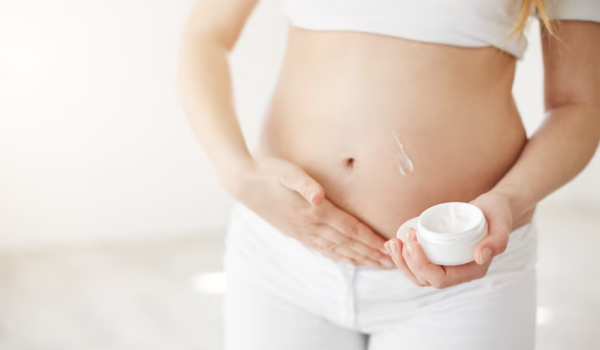
The connection between hormones and body weight is a subject of increasing interest in integrative and functional medicine.
One of the hormones receiving considerable attention is progesterone, particularly in topical form.
For those seeking alternative or complementary methods for weight loss, especially women in perimenopause or menopause, progesterone cream has emerged as a natural remedy with potential benefits.
But for it to work effectively, understanding where to apply progesterone cream for weight loss is critical.
Progesterone and Its Role in Weight Loss
Before jumping into application techniques, it’s important to understand what progesterone is and how it might influence weight.
Progesterone is one of the primary female sex hormones, produced mainly in the ovaries (and in smaller amounts in the adrenal glands and placenta during pregnancy).
It works in balance with estrogen, helping regulate the menstrual cycle, support fertility, and maintain pregnancy.
✅ Progesterone’s Impact on Weight
Hormonal imbalance, especially in midlife, can lead to weight gain, bloating, water retention, and fat storage, particularly around the midsection. Here’s how low progesterone can contribute to these issues:
-
Estrogen dominance: When estrogen levels remain high while progesterone levels drop (common in perimenopause), it creates a condition known as estrogen dominance.
-
Fluid retention: Progesterone has natural diuretic properties, meaning it helps the body shed excess water. Low levels may result in bloating and puffiness.
-
Insulin sensitivity: Some studies suggest progesterone may help regulate blood sugar, making it easier to manage cravings and reduce fat accumulation.
By restoring hormonal balance with progesterone cream, some users report easier weight management, reduced bloating, and improved metabolism.
How Progesterone Cream Works?
Progesterone cream is typically bioidentical, meaning it’s chemically identical to the hormone naturally produced in the human body.
These creams are usually made from plant sources like soy or wild yam and are formulated for topical application.
✅ Transdermal Absorption
Progesterone is lipophilic, meaning it dissolves in fat. This makes it an ideal candidate for transdermal (through the skin) absorption.
When applied correctly, the cream passes through the outer layer of skin and enters the bloodstream, exerting systemic effects similar to internally produced progesterone.
The cream is often measured in milligrams per dose, with common dosages ranging from 20 to 40 mg per day, depending on individual needs and symptoms.
Where to Apply Progesterone Cream for Optimal Absorption?
The effectiveness of progesterone cream is largely dependent on where it is applied. Since the skin varies in thickness, fat content, and blood flow in different areas, site selection matters for efficient absorption.
Best Areas to Apply Progesterone Cream
✔️ Inner Forearms
- The skin here is thin and has a rich blood supply, making it ideal for quick absorption.
- Gently rub the cream in circular motions until fully absorbed.
✔️ Inner Thighs
- This area also offers thin skin and good vascular access.
- Great for rotating application sites to prevent receptor fatigue.
✔️ Lower Abdomen
- Particularly helpful for those dealing with bloating or hormonal belly fat.
- Applying here may support localized relief of abdominal symptoms.
✔️ Neck and Chest
- These areas provide access to larger blood vessels near the surface.
- Be cautious with sensitive skin.
✔️ Back of Knees
- Surprisingly efficient due to thin skin and high circulation.
- Often underutilized but excellent for absorption.
✔️ Breasts (Optional and With Caution)
- Some functional medicine practitioners suggest using progesterone cream on the breasts to support breast tissue health.
- Always consult your doctor before applying to breast tissue, especially if there’s a personal or family history of breast cancer.
✔️ Rotating Sites for Best Results
To avoid saturation or desensitization of progesterone receptors, it’s best to rotate application sites daily. For example:
-
Monday: Inner arms
-
Tuesday: Inner thighs
-
Wednesday: Abdomen
-
Thursday: Neck
-
And so on…
This practice supports even absorption and maintains hormonal balance.
When and How Often to Apply Progesterone Cream?
Proper timing and frequency are essential to make the most of your progesterone cream, especially for weight loss goals.
For Menstruating Women
Apply cream during the luteal phase (typically days 14 to 28 of a 28-day cycle). Start around ovulation and stop the day before your period starts. This mimics the body’s natural production pattern.
-
Suggested Dose: 20-40 mg daily, split into two applications (morning and night).
-
Tip: Use a calendar or cycle tracking app to stay consistent.
For Perimenopausal Women
Cycles may be irregular, so some recommend applying for 21 days followed by a 7-day break. Alternatively, it can be guided by symptoms and physician oversight.
For Postmenopausal Women
Without a cycle to follow, application is typically daily for 25 days, with a 5-day break each month to prevent receptor fatigue.
Application Best Practices
-
Clean, dry skin is crucial. Avoid applying after lotion or oil use.
-
Avoid areas with heavy clothing or sweating, as this may reduce absorption.
-
Don’t apply directly to fatty areas with poor circulation (like the buttocks).
Benefits and Possible Side Effects of Progesterone Cream
Many women turn to progesterone cream not only for weight concerns but also for a range of hormone-related symptoms. Let’s explore the expected benefits and potential drawbacks.
Potential Benefits
Weight Loss Support
Reduced water retention
Improved fat metabolism
Lower cortisol and insulin resistance
Hormonal Balance
Helps offset estrogen dominance
Can regulate irregular cycles
Improved Sleep and Mood
Progesterone has a calming, sedative effect on the brain
Can reduce anxiety and promote restorative sleep
Menopause Symptom Relief
Hot flashes, night sweats, and mood swings may improve
Better Skin and Hair
May support skin hydration and reduce hair thinning
Possible Side Effects
While generally well-tolerated, side effects may include:
Breast tenderness
Fatigue or drowsiness
Dizziness or mood changes
Spotting in some women (especially if the dose is too high)
Note: Always start with the lowest effective dose and consult with a hormone-savvy healthcare provider for personalized guidance.
Precautions, Myths, and Frequently Asked Questions
Despite its natural origins, progesterone cream should not be used casually. Here are some important considerations, along with common myths and facts.
Precautions
-
Medical History Matters: If you have a history of hormone-sensitive cancers, clotting disorders, or severe liver disease, avoid using progesterone cream without supervision.
-
Drug Interactions: Progesterone may interact with other medications, including hormone replacement therapy or psychiatric drugs.
-
Avoid Overuse: More is not better. Excess use can lead to side effects or hormone imbalance.
Common Myths
Myth: Progesterone cream works immediately for weight loss.
Fact: It may take weeks or even months of consistent use before you see any changes. It works subtly by restoring hormonal balance.
Myth: You don’t need to rotate application sites.
Fact: Receptor saturation can blunt the cream’s effectiveness if you apply to the same spot daily.
Myth: Only women can use progesterone cream.
Fact: While less common, men with low progesterone or estrogen dominance may benefit under medical guidance.
Final Thoughts
So, where to apply progesterone cream for weight loss? The best answer is: to areas with thin skin, good circulation, and fat tissue, such as the inner arms, thighs, neck, and abdomen.
But the application site is just one part of the puzzle. Timing, dosage, consistency, and lifestyle also play vital roles.
While progesterone cream may not cause dramatic weight loss on its own, it can be a powerful ally in addressing underlying hormonal imbalances that hinder fat loss, especially for women in their 30s to 60s.
For best results, combine it with an anti-inflammatory diet, regular physical activity, stress management, and professional hormonal monitoring.
.