How Long Do You Stay on Semaglutide for Weight Loss?
A Powerful Medication with Lasting Weight Loss Potential
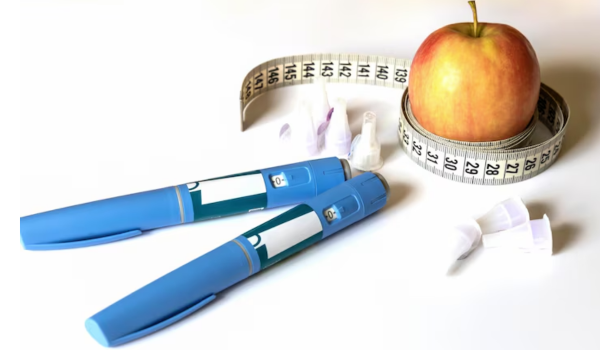
Semaglutide is typically used for 6 months to 2 years for weight loss, depending on individual goals, health conditions, and doctor recommendations.
Many achieve significant results within the first year, but continued use may be needed to maintain weight.
Lifestyle changes are crucial for long-term success, especially if discontinuing the medication.
What Is Semaglutide and How Does It Work?
Semaglutide is a GLP-1 receptor agonist, a type of medication that mimics the hormone glucagon-like peptide-1. GLP-1 helps regulate blood sugar, slows digestion, and tells your brain you’re full.
When used for weight loss, semaglutide has three main effects:
-
Appetite suppression: You feel full faster and stay full longer.
-
Slower gastric emptying: Your body digests food more slowly, helping reduce calorie intake.
-
Improved insulin response: Keeps blood sugar in check, which is crucial for both diabetics and those with insulin resistance.
With these effects, users often see significant weight loss within weeks of starting treatment. But what about how long it’s safe and effective to stay on?
Clinical Evidence: What Studies Say About Duration
Clinical trials have shown that semaglutide is highly effective for long-term weight management.
The STEP Trials (Semaglutide Treatment Effect in People with Obesity)
One of the most important studies, STEP 1, followed patients for 68 weeks (over a year). The findings?
-
Participants lost an average of 15% of their body weight.
-
Most weight loss occurred within the first 6 months, but continued gradually after that.
-
Those who stopped treatment tended to regain weight over time.
Real-Life Evidence
Doctors often recommend at least 6 months to 1 year of semaglutide for weight loss, depending on:
-
The amount of weight to lose
-
The patient’s response
-
Any side effects
-
Coexisting health conditions
In many cases, long-term use (even 1–2 years or more) is necessary to achieve and sustain weight loss.
Factors That Influence How Long You Stay on Semaglutide
While studies suggest general timeframes, the actual duration can vary greatly based on your individual health profile.
🌟 Initial Body Weight and Goals
If you’re looking to lose 10–15% of your weight, you may need to be on semaglutide for 6 to 12 months.
For larger weight loss goals (20–30%), the treatment period might extend beyond a year.
🌟 Tolerability and Side Effects
Common side effects like nausea, vomiting, or constipation may lead some people to stop early or reduce their dosage. Others tolerate it well for extended periods.
🌟 Underlying Medical Conditions
People with type 2 diabetes, PCOS, or metabolic syndrome may be prescribed semaglutide for longer to manage both weight and blood sugar.
🌟 Lifestyle Changes
If you’re actively changing your diet, exercising regularly, and developing healthier habits, you may be able to taper off sooner. Otherwise, longer treatment might be necessary.
🌟 Doctor’s Guidance
Your physician will monitor your progress through regular checkups and lab tests, adjusting the duration based on personal results and risks.
Can You Stop Taking Semaglutide After Reaching Your Goal Weight?
Yes, but it’s complicated.
While you can stop semaglutide after hitting your target weight, studies have shown that many people regain some or most of the weight once the medication is discontinued.
A 2022 study published in Diabetes, Obesity and Metabolism found that patients regained around two-thirds of their lost weight within a year of stopping semaglutide.
So, the real question becomes:
Do you have the support, strategy, and habits to maintain your weight off the medication?
If yes, tapering off semaglutide might be possible. If not, continued use may be necessary to maintain results.
Risks of Quitting Semaglutide Too Soon
If semaglutide is discontinued before establishing lifestyle changes, the body tends to:
-
Increase hunger hormones (like ghrelin)
-
Revert to old eating patterns
-
Slow metabolism due to weight loss
-
Regain visceral fat quickly
Stopping too soon can also lead to yo-yo dieting, which can:
-
Stress your metabolism
-
Increase risk for type 2 diabetes
-
Disrupt mental health and self-esteem
That’s why it’s critical to approach semaglutide use as part of a bigger picture plan not just a standalone solution.
Maintaining Weight Loss After Semaglutide
Here are doctor-recommended strategies to maintain your weight loss if you eventually stop semaglutide:
✔ Gradual Tapering – Rather than stopping cold turkey, reduce your dose slowly under medical supervision to give your metabolism time to adjust.
✔ High-Protein, Low–Glycemic Diet – Eating balanced meals rich in lean protein, fiber, and complex carbs keeps hunger in check and blood sugar stable.
✔ Strength Training and Daily Movement – Exercise is vital not just for burning calories, but also for maintaining muscle and preventing weight regain.
✔ Behavioral Support – Work with a therapist, nutritionist, or weight loss coach. Long-term success often depends on behavioral habits and accountability.
✔ Periodic Check-Ins – Continue seeing your doctor even after stopping the medication. Regular checkups can help catch weight creep early.
✔ Consider Maintenance Dosing – Some patients benefit from lower, long-term “maintenance” doses to keep hunger in check while transitioning off the drug.
Final Thoughts: Long-Term Use and Lifestyle Strategies
Semaglutide can be a powerful tool for weight loss, but long-term success depends on more than just the medication.
While many individuals stay on semaglutide for 6 to 24 months, sustainable results require healthy lifestyle changes, including a balanced diet, regular exercise, and behavioral support. Tapering off should always be done under medical guidance.
Combining semaglutide with long-term habits ensures not just weight loss, but lasting health and well-being.
.