Salt Water Rinse for Oral Health – Natural Remedy Guide
Salt Water Rinse for Oral Health (🔥FAST NATURAL RELIEF!) Helps Soothe Gums, Fight Bacteria, and FreshenBreath With a Simple Home Remedy.


Oral health is a cornerstone of overall well-being, yet many overlook simple, natural methods that support a healthy mouth.
One such age-old remedy is the saltwater rinse, a basic but powerful tool that has been used across cultures for centuries to promote oral hygiene and soothe mouth ailments.
But why has this humble saline rinse stood the test of time? And more importantly, does saltwater rinse really help oral health? We delve deep into the science and benefits of saltwater rinses, how to use them effectively, and what modern dentistry says about this natural mouthwash alternative.
Understanding Salt Water Rinses
A salt water rinse works by creating a gentle saline environment inside the mouth that helps cleanse tissues and support natural healing.
Salt has mild antiseptic properties that can discourage harmful bacteria while drawing excess fluid from swollen gums.
This osmotic effect may reduce irritation and help tissues recover faster after minor injuries, dental work, or gum sensitivity.
It doesn’t replace brushing or flossing, but it can enhance oral hygiene by acting as a soothing support step in your routine.
What Is a Salt Water Rinse?
A salt water rinse is a homemade oral rinse made by dissolving salt in warm water and swishing it in the mouth.
It’s a simple, time-tested remedy used to clean the mouth, soothe irritated gums, and support healing after minor dental issues.
Salt creates a mild antiseptic environment that can help reduce harmful bacteria while drawing out excess fluid from swollen tissues.
Many dentists recommend salt rinses after dental work or when gums feel tender. It’s not a replacement for brushing or flossing, but it can be a helpful addition to a daily oral care routine.
Why salt? Salt has natural antiseptic and anti-inflammatory qualities. The saline solution creates an environment that inhibits bacterial growth, promotes healing, and helps balance the pH in your mouth.

The Science Behind Salt Water Rinse for Oral Health
Salt water works through a few key mechanisms:
- Osmosis and Dehydration of Bacteria: Salt draws water out of bacterial cells, effectively dehydrating and killing harmful microbes.
- pH Balance: Salt water is slightly alkaline, helping neutralise acids produced by bacteria that can erode enamel.
- Anti-Inflammatory Effects: It helps reduce inflammation and swelling in the gums and oral tissues.
- Promotes Healing: Salt water stimulates blood flow in the gums, accelerating repair after dental procedures or injuries.
Key Benefits of Salt Water Rinse for Oral Health
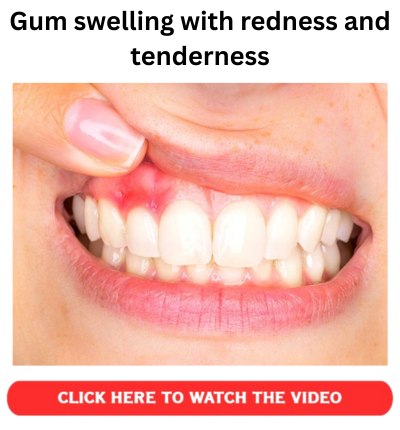
- Reduces Gum Inflammation and Soothes Sore Gums: Gingivitis, an early form of gum disease, causes redness, swelling, and bleeding gums. Salt water rinse can help alleviate these symptoms by reducing inflammation and cleansing the gums.
- Speeds Up Healing After Dental Procedures: Whether you’ve had a tooth extraction, dental implant, or other oral surgery, your dentist likely recommended a saltwater rinse. This simple rinse promotes faster healing by reducing bacterial load and soothing tissue irritation.
- Helps Fight Bad Breath: Bad breath (halitosis) often arises from bacterial buildup in the mouth. Salt water rinse helps reduce bacteria and neutralizes odors, providing a quick, natural way to freshen breath.
- Assists in Managing Mouth Ulcers and Canker Sores: Mouth ulcers are painful and can interfere with eating and speaking. Salt water rinse soothes irritation, reduces bacterial contamination, and accelerates ulcer healing.
- Natural Alternative to Chemical Mouthwashes: Many commercial mouthwashes contain alcohol or harsh chemicals that can cause dryness or irritation. Salt water rinse offers a gentle, natural alternative that’s safe for daily use without side effects.
How to Prepare and Use Salt Water Rinse?
Making your own saltwater rinse is quick, affordable, and effective when done correctly. Follow this enhanced step-by-step guide for safe use:
Ingredients
- ½–1 teaspoon of salt: Use sea salt or non-iodised salt for a gentler rinse. This concentration helps cleanse without irritating soft tissues.
- 8 ounces (240 ml) warm water: Water should be comfortably warm, not hot. Warm water helps dissolve salt fully and soothes gum tissue.
Instructions
- Pour warm water into a clean glass: Always use a clean container to prevent introducing new bacteria into your mouth.
- Add salt and stir thoroughly: Mix until the salt fully dissolves. Undissolved grains can irritate sensitive gums.
- Swish for 30–60 seconds: Move the liquid slowly around teeth and gums to allow full contact with irritated areas.
- Spit completely do not swallow: The rinse pulls bacteria and debris from tissues, so expel it fully after swishing.
- Repeat until the glass is empty: Multiple rinses ensure the entire mouth is cleansed evenly.
- Use 2–3 times daily: Ideal after meals or brushing. Follow dentist advice if using after dental procedures.
When to Use Salt Water Rinse: Tips and Timing
- After Dental Procedures: To reduce infection risk and speed healing.
- For Gum Inflammation or Bleeding: As a daily rinse until symptoms improve.
- When You Have a Sore Throat: Gargle to soothe throat irritation.
- For Mouth Ulcers: Rinse 3 times daily for relief.
- As Part of Regular Oral Hygiene: Use 2-3 times a week to maintain oral health.

Are There Any Risks or Side Effects?
Salt water rinse is safe for most people. However:
- Avoid swallowing the rinse.
- Don’t use overly hot water to prevent burning the mouth.
- People with high blood pressure should consult their doctor if using large amounts frequently, though rinsing typically poses minimal risk.
- Excessive use may cause dry mouth or irritation in rare cases.
What Do Dentists Say About Salt Water Rinse?
Dental professionals widely recommend salt water rinse as a complementary oral hygiene practice.
Salt water rinses are a simple, cost-effective way to reduce inflammation, promote healing, and maintain oral hygiene, especially after dental treatments.”
Many dentists advise patients to use a salt water rinse to avoid infections and speed recovery after extractions or surgeries.
Salt Water Rinse vs. Commercial Mouthwash: Which Is Better?
| Feature | Salt Water Rinse | Commercial Mouthwash |
| Cost | Very low | Usually moderate to high |
| Ingredients | Natural (salt and water) | Chemicals, alcohol, flavors |
| Side Effects | Minimal | Can cause dryness, irritation |
| Antibacterial Effect | Mild to moderate | Stronger antibacterial properties |
| Best Use | Healing, soothing, maintenance | Freshening breath, cavity prevention |
Salt water rinse is an excellent, gentle alternative for everyday maintenance or healing, while commercial mouthwash might be preferred for stronger antibacterial action or breath freshening.
Additional Tips for Using a Salt Water Rinse
- Use lukewarm water to gently soothe tissues without causing irritation or sensitivity.
- Swish slowly for 20–30 seconds to allow the salt solution to contact gums and cheeks fully.
- Do not swallow spit thoroughly to remove loosened bacteria and debris.Limit rinsing toonce or twice daily to avoid drying the mouth.
- Always brush and floss first; the rinse works best as a finishing step.
- Prepare a fresh mixture each time to keep the solution clean and effective.
- Avoid excessive salt concentration, which may irritate soft tissues.
- See a dentist if pain, bleeding, or swelling continues beyond a few days.
Conclusion
Salt water rinse is a simple, natural, and effective way to boost your oral health. Its anti-inflammatory and antibacterial properties help soothe gums, speed healing, and maintain a healthy mouth.
Whether you’re recovering from dental surgery or just want to support your daily oral hygiene, a salt water rinse is a time-tested remedy worth adding to your routine.
Try incorporating a saltwater rinse into your oral care today and experience its gentle healing benefits for yourself!
.