7 Vitamins for Memory: Improve Memory and Focus
7 Vitamins for Memory (🔥BRAIN ENERGY!) Boosts Recall, Improves Concentration, Supports Cognitive Health, and Keeps Your Mind Alert All Day.
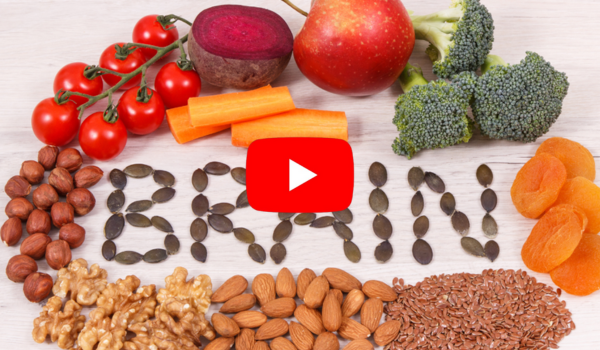

Memory is a cornerstone of cognitive health. Whether it’s recalling names, remembering tasks, or keeping your mind sharp, memory is crucial for daily life.
Memory is a vital part of everyday life, from remembering tasks and names to staying focused and learning new information.
While lifestyle factors like sleep, exercise, and stress management are important, certain vitamins play a key role in supporting brain health.
The 7 essential vitamins for memory help improve focus, enhance recall, and protect neurons from damage.
Understanding how these vitamins work can empower you to strengthen cognitive function naturally and maintain long-term mental clarity.
What Are Vitamins for Memory?
Vitamins are organic compounds that our bodies need in small amounts for various functions, including energy production, cell repair, and cognitive health.
When it comes to memory, certain vitamins play pivotal roles in neurotransmitter production, nerve health, and brain signaling. Deficiencies in these vitamins can lead to poor memory, brain fog, and cognitive decline.
In this context, “vitamins for memory” refers to nutrients specifically linked to enhancing memory, focus, and overall cognitive function.
These vitamins can support both short-term recall and long-term brain health, making them essential for people of all ages.
How Vitamins Influence Memory?
Vitamins affect memory primarily through their roles in:
-
Neurotransmitter Production – Vitamins B12 and B6 are vital for producing neurotransmitters such as serotonin, dopamine, and acetylcholine, which regulate mood, focus, and memory.
-
Brain Cell Protection – Antioxidant vitamins like C and E protect neurons from oxidative stress, which can damage brain cells and impair memory.
-
Energy Metabolism – B vitamins help convert food into energy that the brain uses for optimal functioning.
-
Myelin Sheath Maintenance – Certain vitamins maintain the myelin sheath, the protective coating around nerve fibers, ensuring efficient signal transmission between brain cells.
By supporting these mechanisms, vitamins can improve memory, mental clarity, and cognitive resilience.
7 Vitamins for Memory
Vitamin B12 (Cobalamin)
- Supports the formation of the myelin sheath around neurons, ensuring fast communication between brain cells.
- Enhances memory, focus, and overall cognitive function.
- Deficiency is linked to brain fog and memory decline.
Vitamin B6 (Pyridoxine)
- Aids in the production of neurotransmitters like serotonin, dopamine, and GABA.
- Improves learning, focus, and recall.
- Reduces harmful homocysteine levels, protecting neurons.
Vitamin B9 (Folate)
- Supports DNA and RNA synthesis, helping neuron repair and growth.
- Reduces homocysteine levels, lowering the risk of cognitive decline.
- Enhances short-term memory and mental clarity.
Vitamin B1 (Thiamine)
- Converts glucose into energy for neurons.
- Supports learning, memory, and alertness.
- Prevents fatigue-related brain fog.
Vitamin B2 (Riboflavin)
- Helps in energy production and antioxidant protection.
- Supports brain metabolism and cognitive function.
- Enhances overall mental performance.
Vitamin B3 (Niacin)
- Supports neuron signaling and energy metabolism.
- Protects against age-related memory loss.
- Promotes healthy brain function and mental clarity.
Vitamin B5 (Pantothenic Acid)
- Essential for neurotransmitter synthesis and energy metabolism in the brain.
- Supports learning, memory, and focus.
- Helps maintain overall cognitive health.
The Science Behind the 7 Vitamins for Memory
Understanding the science behind these vitamins is crucial because it explains how they affect brain function, memory, and cognitive health.
Scientific research shows that deficiencies in key vitamins, particularly B1, B6, B9, and B12, can impair neurotransmitter production, slow neuron communication, and increase the risk of memory decline.
Science also demonstrates that adequate intake of these vitamins strengthens neurons, protects brain cells from damage, and supports energy metabolism, all of which are vital for maintaining sharp memory and mental clarity.
By relying on research-backed evidence, individuals can make informed choices about diet, supplementation, and lifestyle to maximize cognitive performance.
Protects Nerves and Enhances Memory
- Vitamin B12 is essential for forming the myelin sheath that surrounds neurons, allowing fast signal transmission.
- Studies show that deficiency leads to cognitive decline, while adequate B12 improves memory, mental clarity, and overall brain function in adults.
Supports Neurotransmitter Production
- Vitamin B6 helps produce key neurotransmitters like serotonin, dopamine, and GABA, which regulate mood, focus, and learning.
- Research shows it reduces homocysteine levels, protecting neurons and enhancing memory, recall, and cognitive performance.
Maintains Brain Cell Health
- Folate is vital for DNA and RNA synthesis, which supports neuron repair and growth.
- Clinical studies link adequate folate levels to improved short-term memory, reduced cognitive decline, and better overall mental performance, especially in older adults.
Fuels Neurons with Energy
- Thiamine converts glucose into energy that neurons use to function.
- Research demonstrates that deficiency impairs memory and focus, while sufficient intake supports mental alertness, learning, and long-term cognitive health.
How do 7 Vitamins for Memory Work?
Memory and cognitive function depend on healthy brain cells, efficient communication between neurons, and protection against damage.
Vitamins play crucial roles in these processes. Here’s a detailed explanation of how each vitamin works to improve memory:
Protects Nerve Communication
- B12 maintains the myelin sheath around neurons, ensuring fast signal transmission. It also supports neurotransmitter production, which is essential for memory, focus, and learning.
Boosts Neurotransmitter Production
- B6 aids the production of serotonin, dopamine, and GABA, improving mood, attention, and cognitive processing. It also helps reduce homocysteine, protecting brain cells from damage.
Supports Neuron Repair
- Folate is essential for DNA and RNA synthesis, which repairs and maintains neurons.
- It lowers homocysteine levels, reducing the risk of cognitive decline and supporting memory retention.
Fuels Brain Energy
- Thiamine converts glucose into energy that neurons use to function. This energy supports memory, learning, and alertness, preventing fatigue-related brain fog.
Protects Neurons
- Vitamin C acts as a powerful antioxidant, neutralizing free radicals that can damage neurons.
- It also supports neurotransmitter synthesis, improving communication between brain cells.
Preserves Brain Cells
- Vitamin E protects neuron membranes from oxidative stress, slowing age-related memory decline and enhancing the brain’s ability to store and recall information.
Promotes Memory Centers
- Vitamin D receptors in the hippocampus support neuron growth and repair.
- Adequate levels improve memory formation, learning, and overall cognitive performance,
Benefits of 7 Vitamins for Memory
Enhances Memory and Recall
- These vitamins improve your ability to store and retrieve information efficiently.
- By supporting neurotransmitter production and communication between neurons, they help sharpen short-term and long-term memory, making it easier to focus, learn new things, and recall important details throughout the day.
Boosts Focus and Concentration
- By regulating brain signaling and energy metabolism, these vitamins help maintain sustained attention and mental clarity.
- Improved focus allows you to complete tasks efficiently, stay attentive in work or study, and avoid distractions caused by mental fatigue or brain fog.
Protects Brain Cells from Damage
- These vitamins act as natural protectors for neurons, guarding against oxidative stress and free radical damage.
- By preserving neuron structure and function, they reduce the risk of cognitive decline, maintain sharp thinking, and support long-term brain health.
Supports Neurotransmitter Function
- Vitamins enhance the production of critical neurotransmitters like acetylcholine, serotonin, and dopamine.
- Efficient neurotransmitter activity ensures better communication between brain cells, improving learning, memory retention, and overall cognitive performance.
Reduces Cognitive Decline
- Regular intake of these vitamins can slow age-related deterioration in brain function.
- By maintaining neuron health, supporting metabolism, and protecting against damage, they help preserve memory, mental clarity, and decision-making abilities as you age.
Improves Mental Clarity
- These nutrients help clear brain fog, sharpen thought processes, and enhance alertness.
- Improved mental clarity allows faster problem-solving, better decision-making, and more confident recall of information during daily activities or professional tasks.
Strengthens Overall Brain Health
- Beyond memory, these vitamins support the brain’s structural and functional integrity.
- They aid neuron repair, energy metabolism, and protective mechanisms, keeping your brain resilient, alert, and capable of handling both everyday tasks and complex mental challenges.
Usage of 7 Vitamins for Memory
Proper usage of these essential vitamins ensures your brain receives the nutrients it needs to function optimally.
You can obtain them through a combination of natural foods and supplements, depending on your diet, age, and health condition.
Through Diet
- Include vitamin-rich foods in your daily meals. Examples: eggs, fish, lean meats, bananas, leafy greens, legumes, whole grains, and fortified cereals.
- A balanced diet not only provides vitamins but also synergistic nutrients like minerals and antioxidants that enhance memory.
Through Supplements
- If your diet is insufficient or you have deficiencies, supplements can help. Look for B-complex vitamins or multivitamins targeting cognitive health.
- Follow recommended doses to avoid over-supplementation, particularly for fat-soluble vitamins.
Lifestyle Tips for Better Absorption
- Pair B vitamins with protein-rich foods for better absorption.
- Fat-soluble vitamins should be taken with meals containing healthy fats.
- Maintain a healthy lifestyle with exercise, sleep, and hydration to maximize the brain-boosting effects.
Monitor Your Levels
- Blood tests can help identify deficiencies, especially for B12 and vitamin D, which are common in older adults or vegetarians.
- Adjust intake according to professional advice for optimal cognitive support.
Additional Tips for Enhancing Memory with Vitamins
-
Combine Vitamins with a Balanced Diet: Whole foods provide vitamins along with minerals and antioxidants that further support memory.
-
Avoid Over-Supplementation: Excessive intake of fat-soluble vitamins like D and E can be harmful. Stick to recommended doses.
-
Maintain a Healthy Lifestyle: Adequate sleep, regular exercise, and stress management amplify the memory-boosting effects of vitamins.
-
Monitor Your Levels: Blood tests can help identify deficiencies in B12, D, and other vitamins critical for brain health.
-
Consistency Is Key: Long-term vitamin intake, rather than short-term use, produces noticeable improvements in memory.
Final Thoughts
Memory is vital for daily life and overall cognitive well-being. The 7 vitamins for memory, B12, B6, B9, B1, C, E, and D, play essential roles in neurotransmitter production, neuron protection, and cognitive function.
Scientific research consistently supports their benefits in enhancing memory, improving focus, and slowing age-related cognitive decline.
By incorporating these vitamins through a combination of whole foods and supplements when needed, along with a healthy lifestyle, you can naturally strengthen your memory, maintain mental clarity, and support long-term brain health.
Investing in your brain today ensures sharper memory, better focus, and improved cognitive resilience tomorrow..
.
.
.